Feb. 11, 2025
Summer residence on the balcony
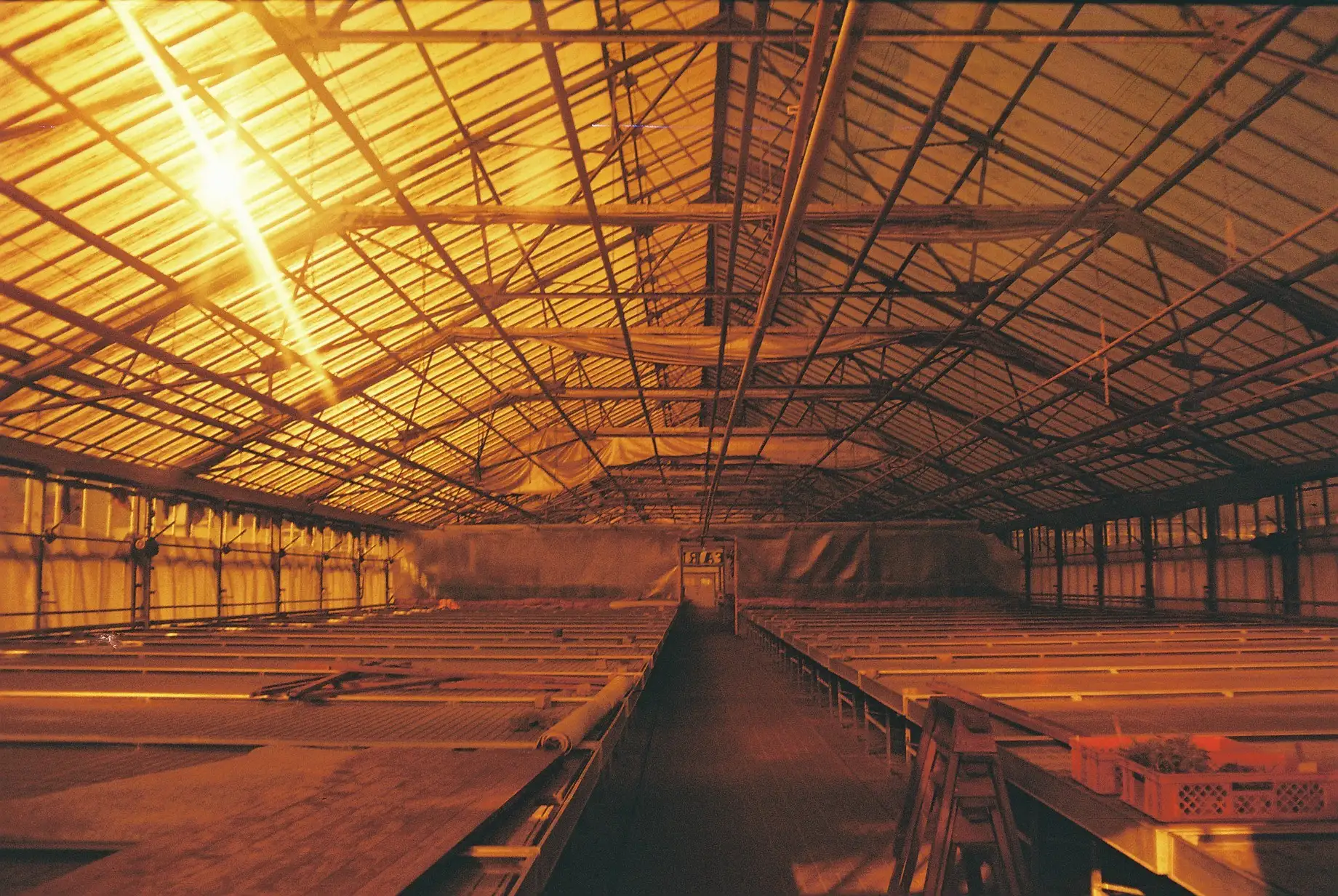
Today I read that the Stadtfarm in Landschaftspark Herzberge has to close for good because of income losses due to missing sales to the catering industry, fewer customers, and rising energy costs.1 That’s a real loss for the area, because the concept of aquaponics is really fascinating.2 By utilizing natural cycles, the breeding of edible fish (African catfish3) is combined with the cultivation of vegetables. The liquid excretions of the catfish serve as valuable plant fertilizer: they pass through a biofilter, where bacteria convert the ammonium into nitrate. The water is then used to feed tomatoes, peppers, chilies, and herbs, before cycling back to the fish. It’s a closed-loop system that works without soil or additional irrigation.4
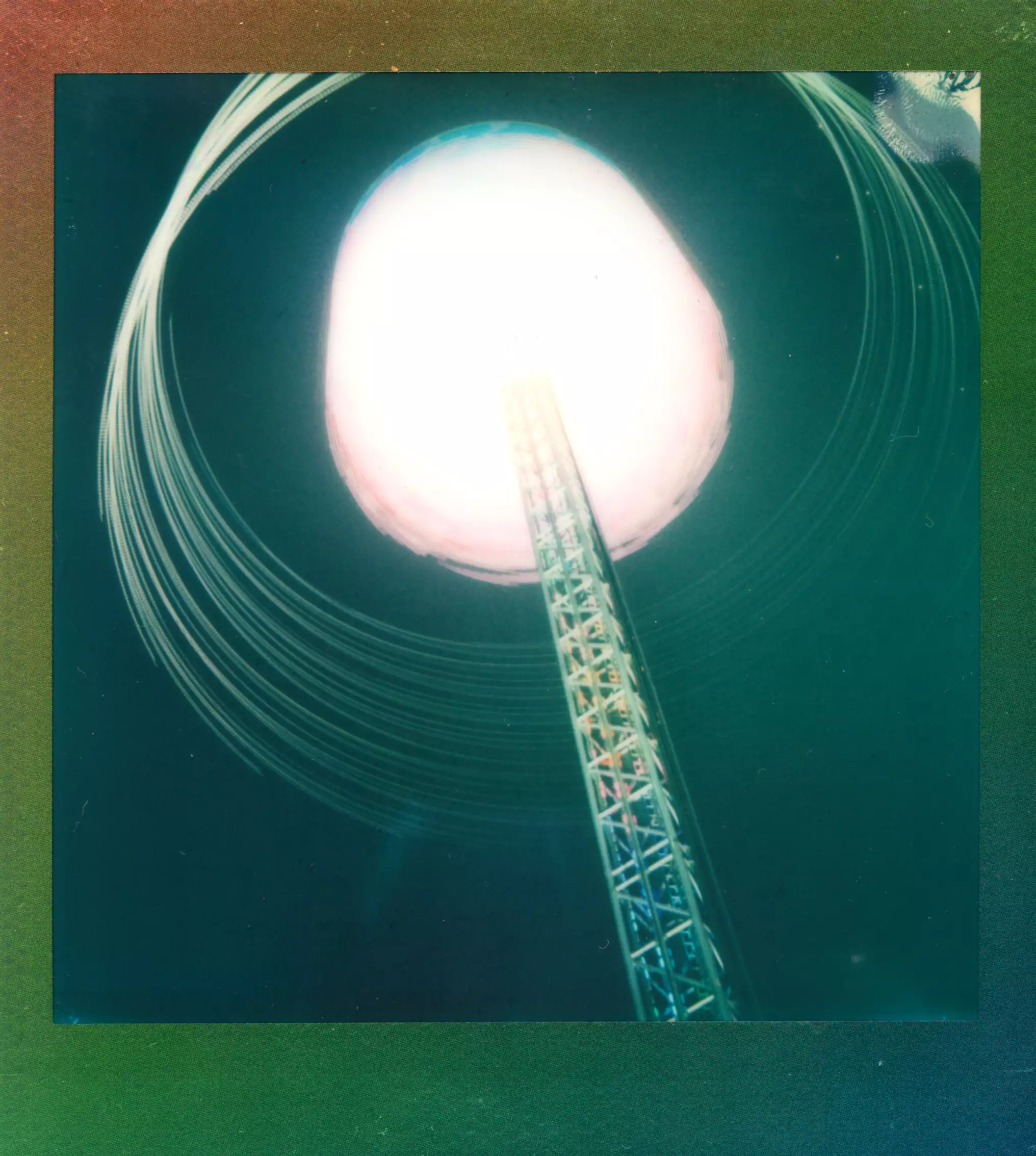
Every evening when the sun goes down, I see the spotlights and bright glow of the Christmas market near Frankfurter Allee. It feels like a foreign object that’s suddenly materialized, distorting the whole area. I wonder if they chose extra spotlights just because cultural events and folk festivals have an exemption in the EnSikuMaV1. I can totally understand why people living directly in front of the market might be upset2 - especially on cold, foggy nights when the light is just eerie and overwhelmingly bright.
Two weeks ago, a friend sent me an article1 about the current exhibition at Schloss Biesdorf featuring the works of Jürgen Wittdorf (1932–2018). The idea of homoerotic art in the GDR intrigued me, so we decided to visit. For me, it was a fascinating experience - a retrospective of Wittdorf’s work, and to my surprise, I recognized some of his illustrations. One room later, I found out why: he was the illustrator for the children’s book “Tiere im Zirkus” by Wladimir Durow2, a book I still own, though I’d never known anything about the artist behind it.
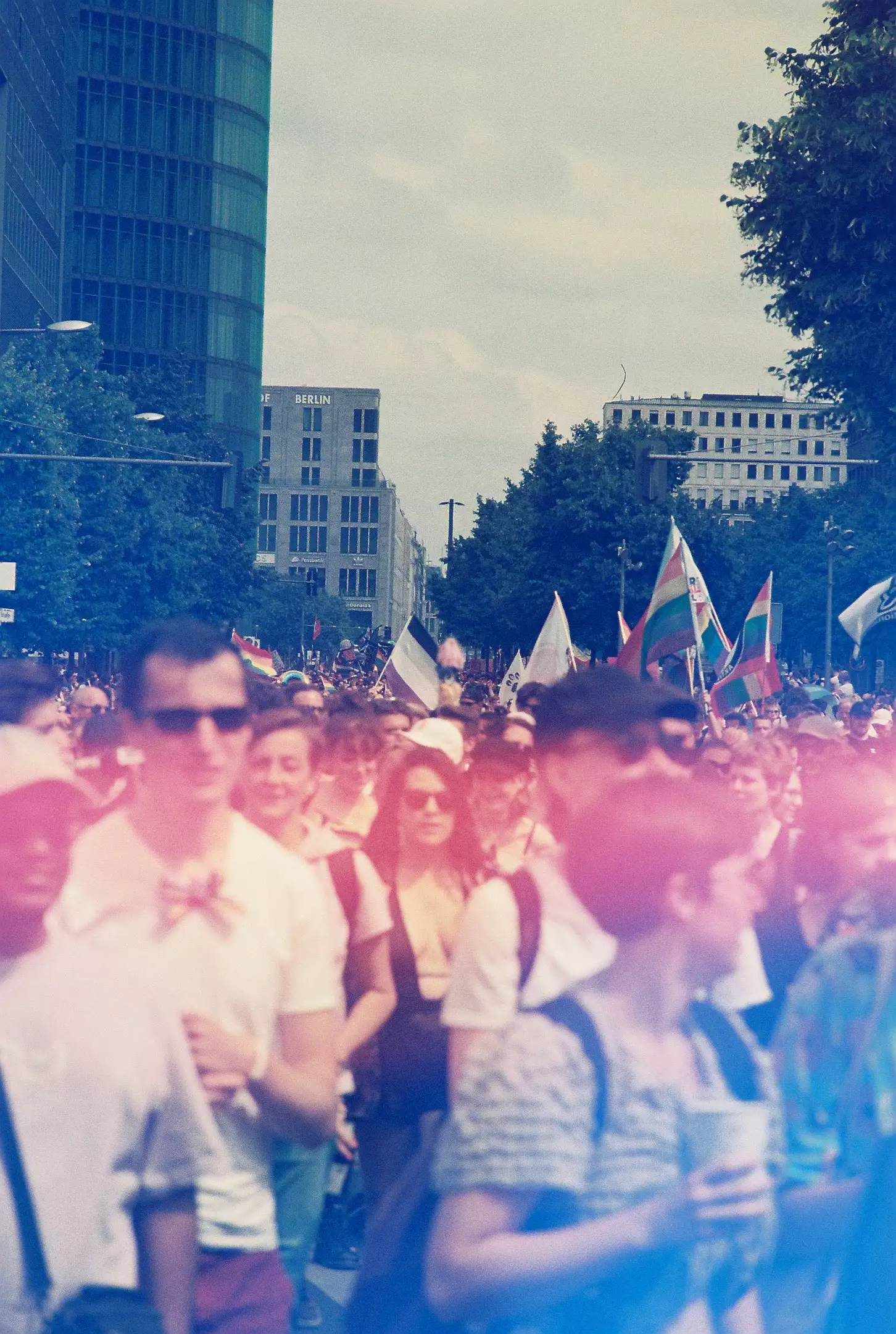
It was nice to visit the CSD again after such a long time, and I wanted to take some photos with Revolog Kolor film to add a bit of rainbow flair. Interestingly, this time I mostly got blues, but I actually like the soft tone and mood the color hue gives the pictures.
As for the CSD itself: the atmosphere was good, but it really felt like a Fortune 500 / DAX event. There were almost no cars from community associations, clubs, or bars - just dozens from large corporations that, honestly, have no place at CSD. The worst part was the food stalls and commercial stands stretching from the Siegessäule to the Brandenburger Tor, just like during the World Cup. There was only one car with actual political speeches. One.
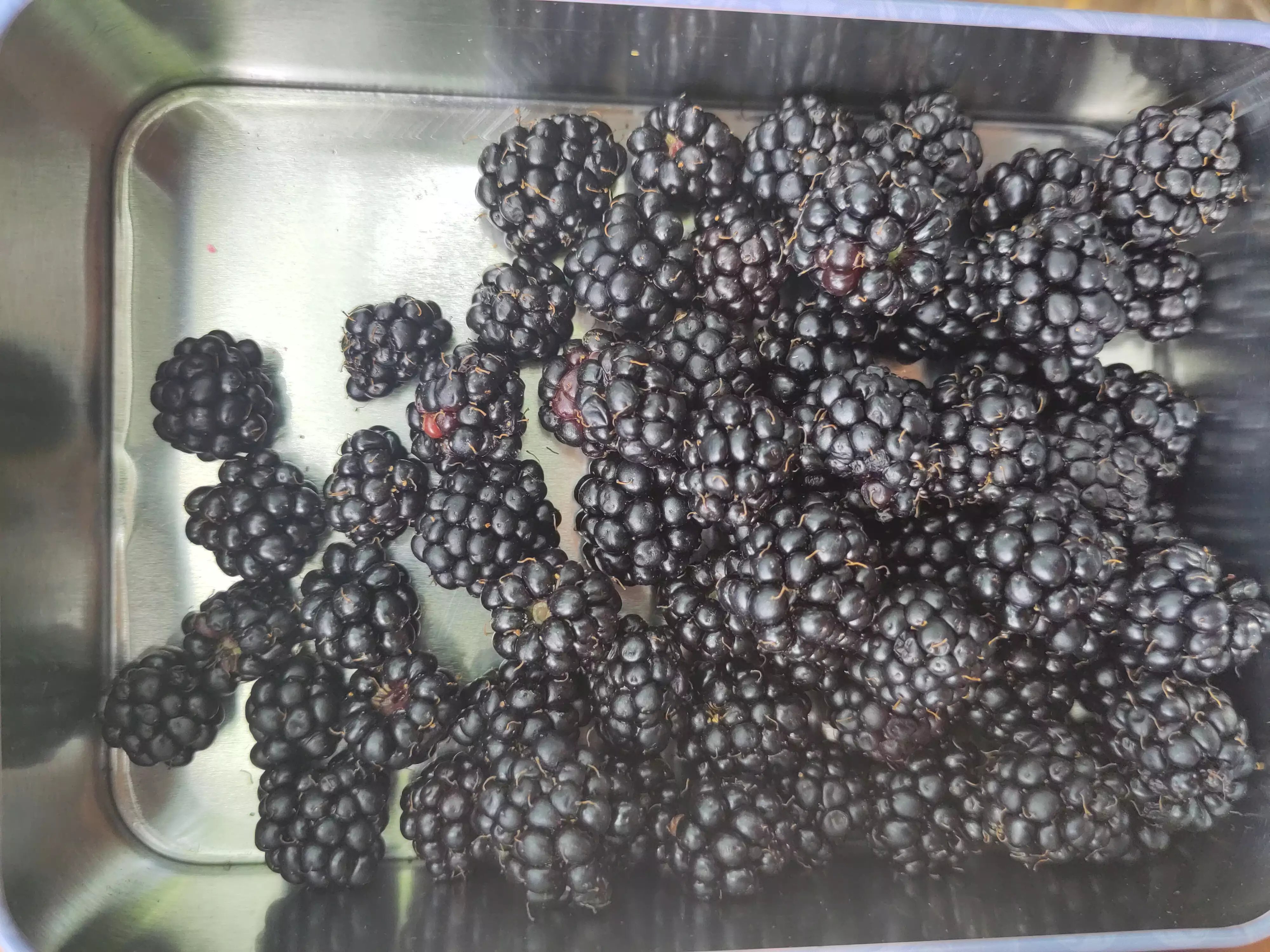
On Sunday, I went to a small hidden spot to check if the blackberries were ripe for foraging. It’s behind the playing field on Bornitzstraße, and you quickly stumble into dozens of blackberry bushes. No one was around, so I started picking - until a small thought grew bigger: “Is it safe to eat here? This was an industrial area - aren’t the berries polluted?” That question kept nagging at me. There’s some trash here and there (though not right at the front), but is there a better way to find out if it’s safe to eat?
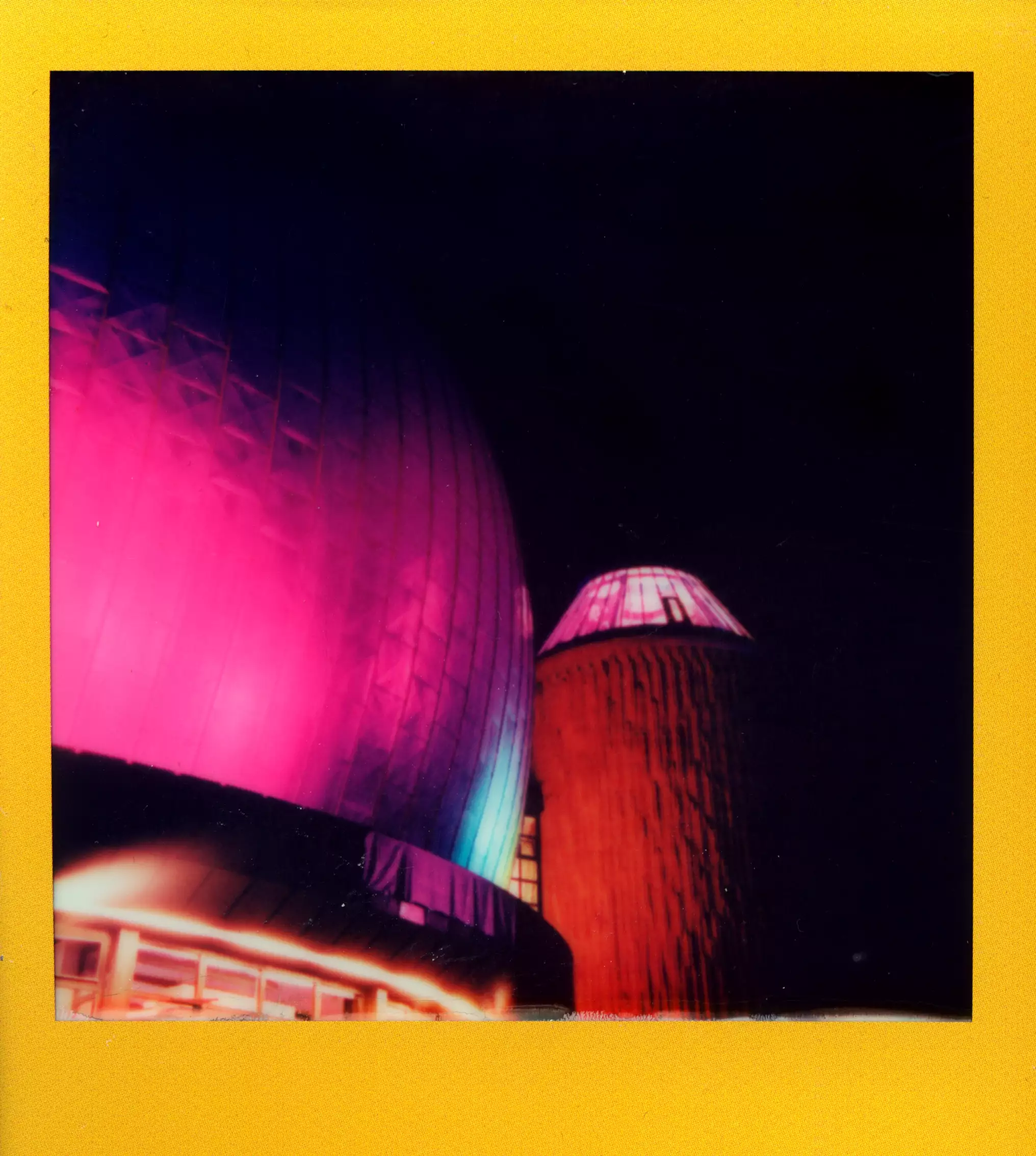
It was nice to visit the Fête de la Musique again during the summer solstice after such a long time. This year, the planetarium was a host for the first time, and I thought it would be a good place to check out—even if the music wasn’t quite my taste.1 It’s probably been over ten years since I last visited a planetarium, so this was a great opportunity to return.
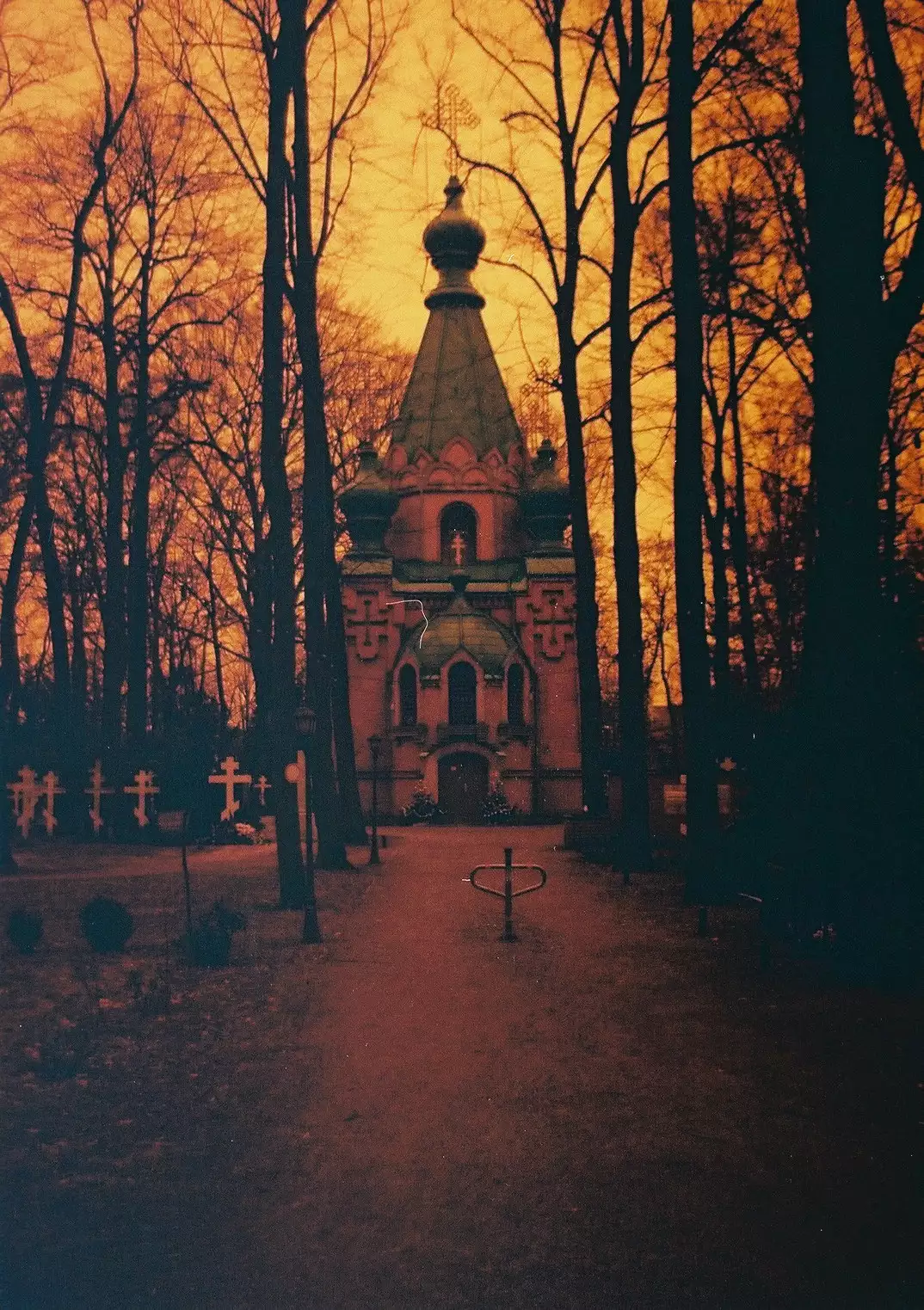
At the beginning of the year, I wandered through Tegel and visited a small piece of Russian soil: the Russian Orthodox cemetery. The whole area has an interesting history, and it’s the only church of the Russian Orthodox community in Berlin-Tegel.1
The initiative for the cemetery goes back to the “Bruderschaft des heiligen Fürsten Wladimir,” a brotherhood that is still active today. They bought the property for 30,000 marks in 1892, at a time when the Russian community in Berlin was growing. In addition to the cemetery and chapel, the brotherhood erected several buildings, including greenhouses, a typesetter’s workshop, and a library.2 At the center of the graveyard stands the St. Constantine and Helena Church, built in 1894 as a replica of Moscow’s St. Basil’s Cathedral. The chapel once housed precious icons, but these were lost through robbery. I haven’t seen the chapel yet, but I’ve read that it has a beautiful iconostasis - maybe I’ll get to see it someday.
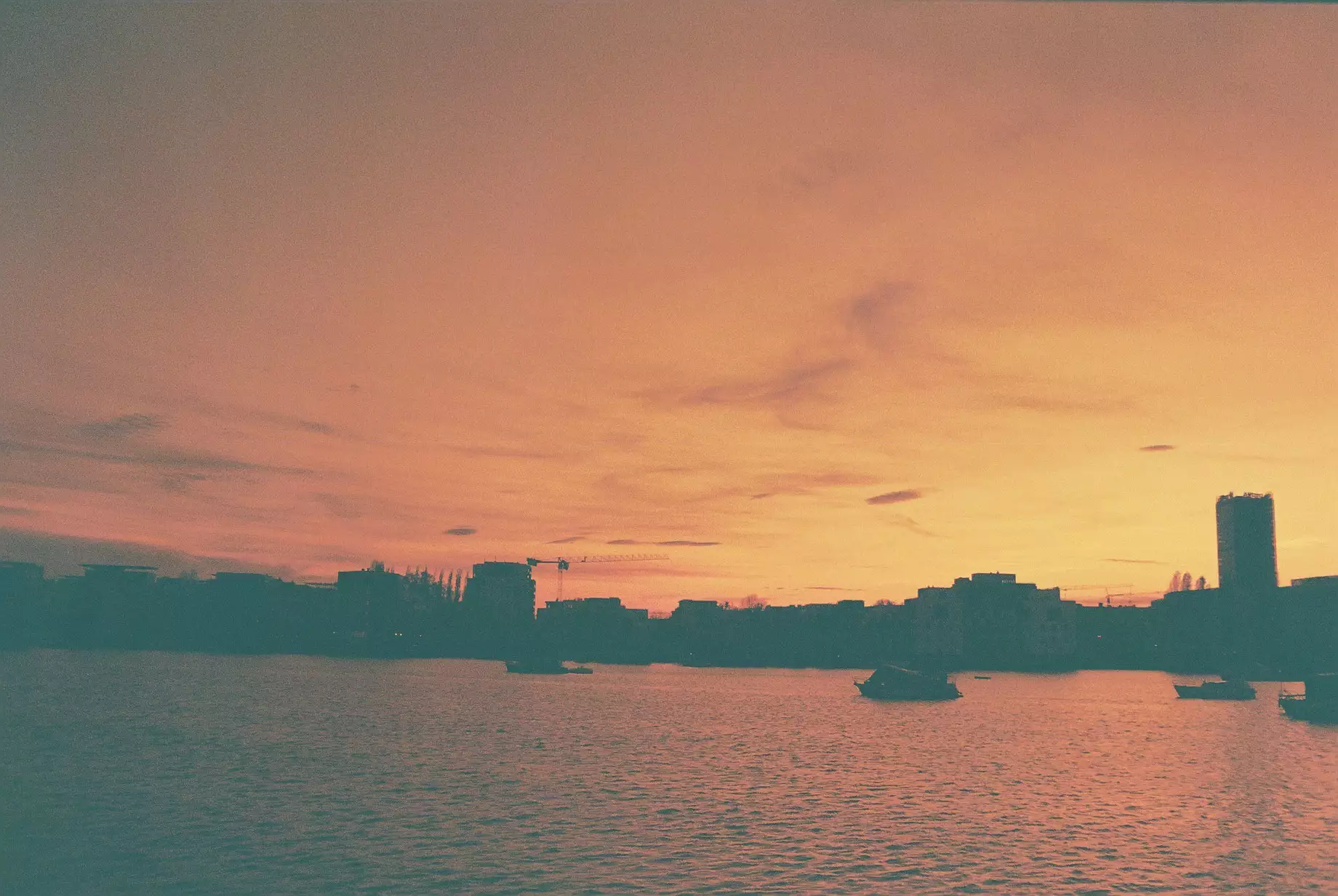
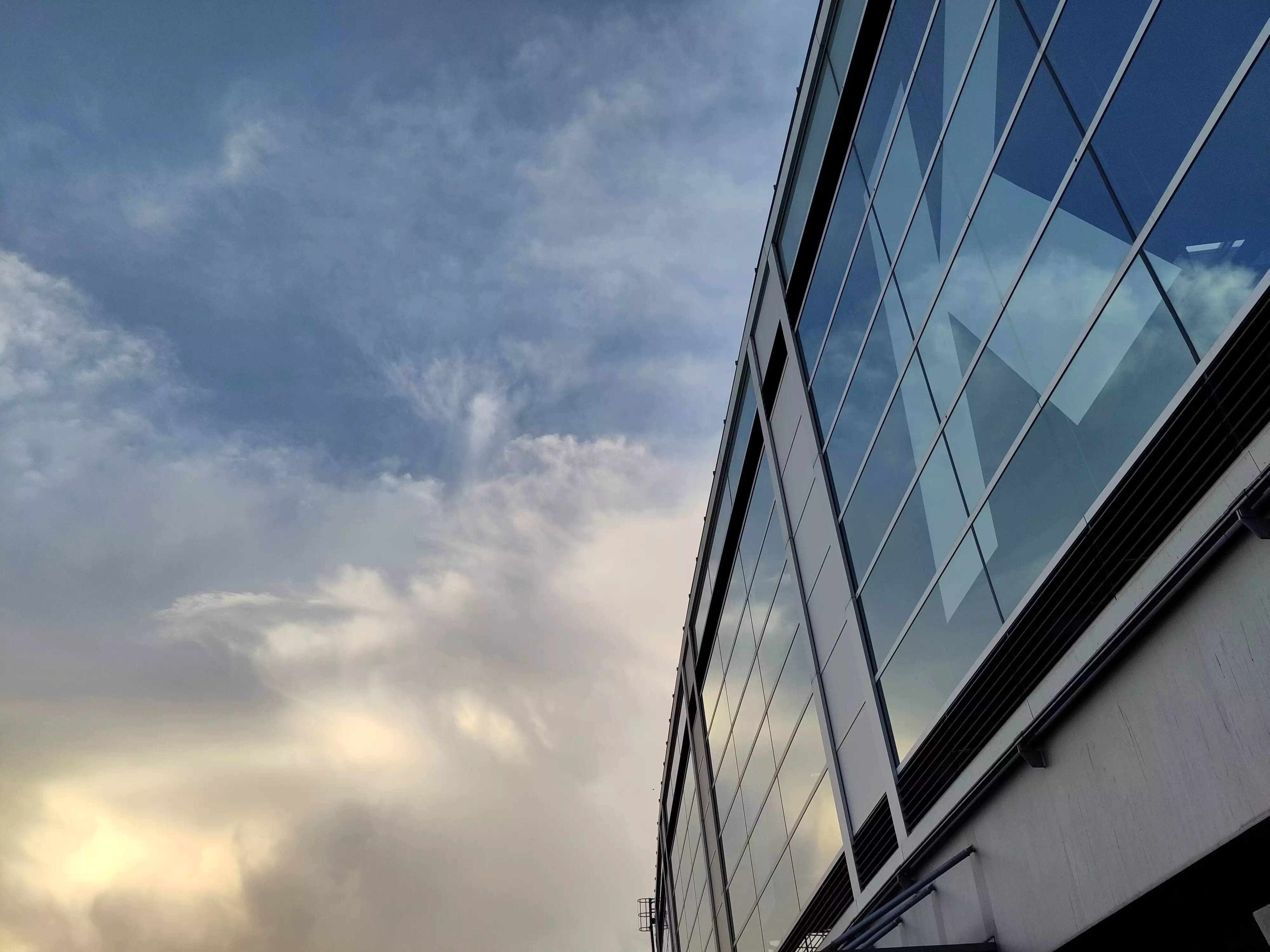
Yesterday I read an article1 about Saharan sand reaching Berlin blown by the wind. This meteorological effect is pretty rare in the north, and I was curious to see how orange-red the sky might get. So I walked to Rummelsburger Bucht, hoping to catch the dawn. Unfortunately, it was too foggy and cloudy. There were some interesting colors for a brief moment, but I wasn’t fast enough to get a good picture. It’s funny how even when nature doesn’t put on the show you expect, the anticipation itself makes you see your surroundings differently. I found myself looking up at the sky more than usual, searching for hints of color that might not have been there at all.
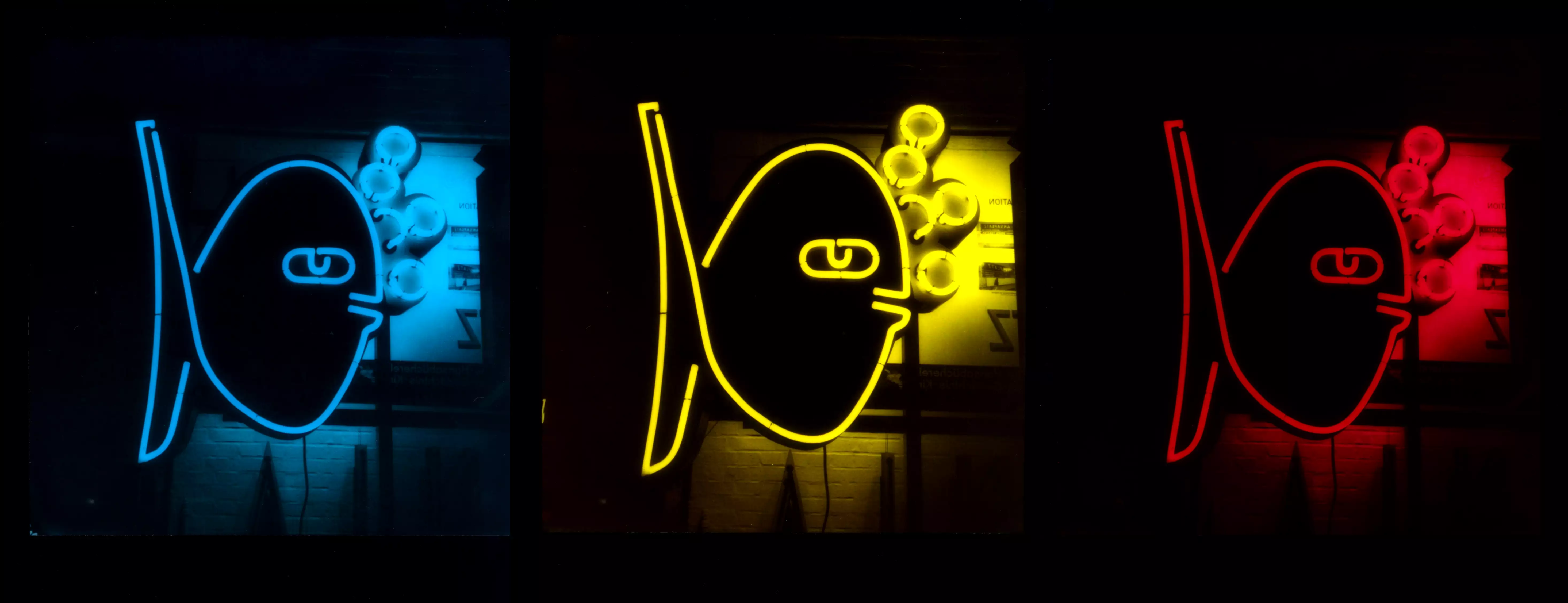
Last year I was invited by a friend to visit the Buchstabenmuseum1 in the S-Bahn arches of Bellevue. I only knew that it exists but never got the chance to see it for myself - so I was excited to finally experience the museum with my own eyes. We even got lucky and had a small tour with Barbara Dechant, one of the founders of the Buchstabenmuseum e. V. And yes, there are letters everywhere.
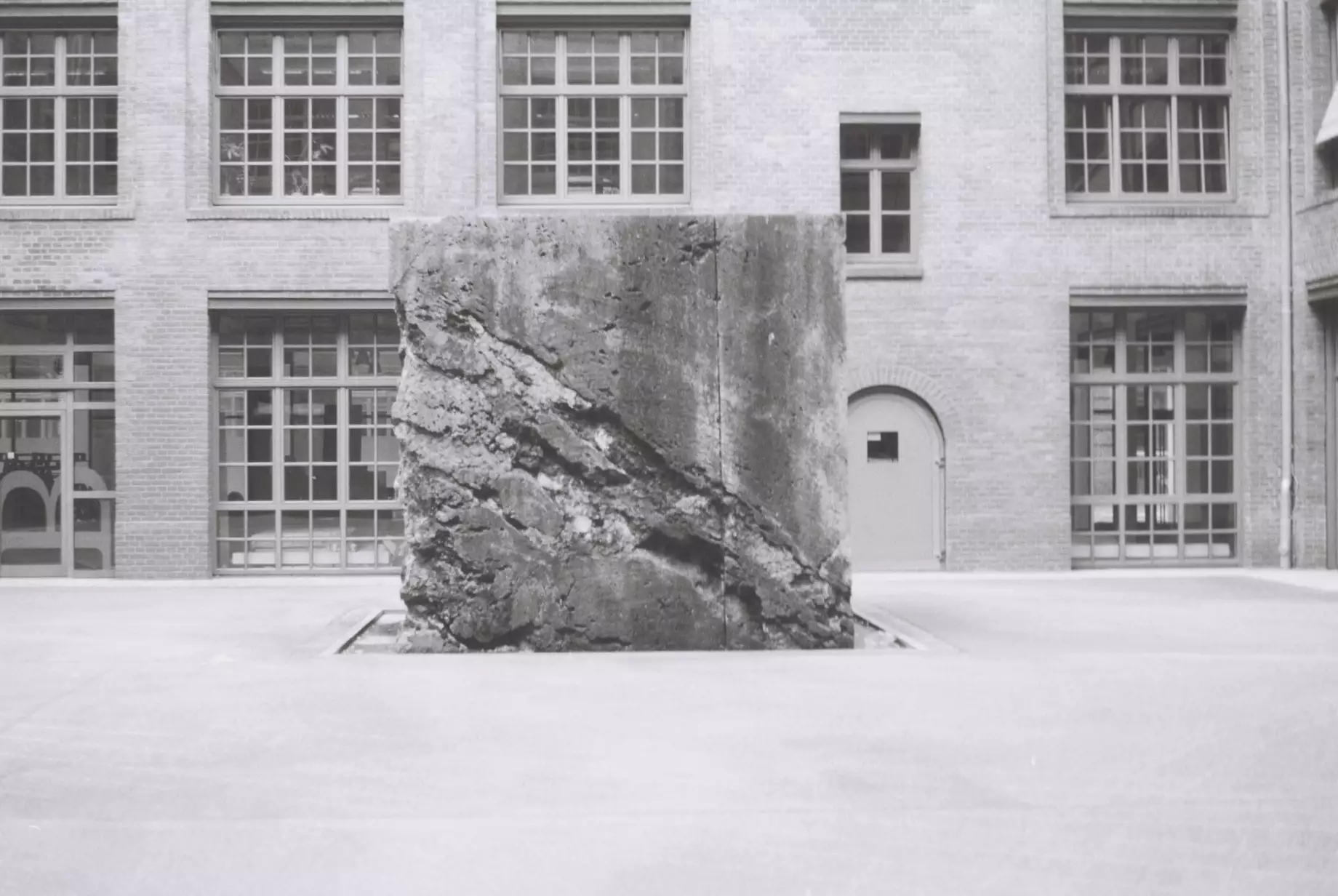
I still have some memories of the old Narva tower near Warschauer Straße, but I never really explored that area as a child. It was interesting to walk around and see how much the area has changed.
The VEB Narva Kombinat Berlin bulb factory was the central manufacturer of light sources, especially light bulbs, in the GDR. In 1992, production stopped, and HypoVereinsbank converted the buildings into office spaces. During the renovation of Building IV in 1998, four ‘tuff’1 fountains, designed by Prof. Gustav Lange2 and sent over from Slovenia,3 were placed in the inner courtyards. The idea was to connect elements of nature with the urban environment.
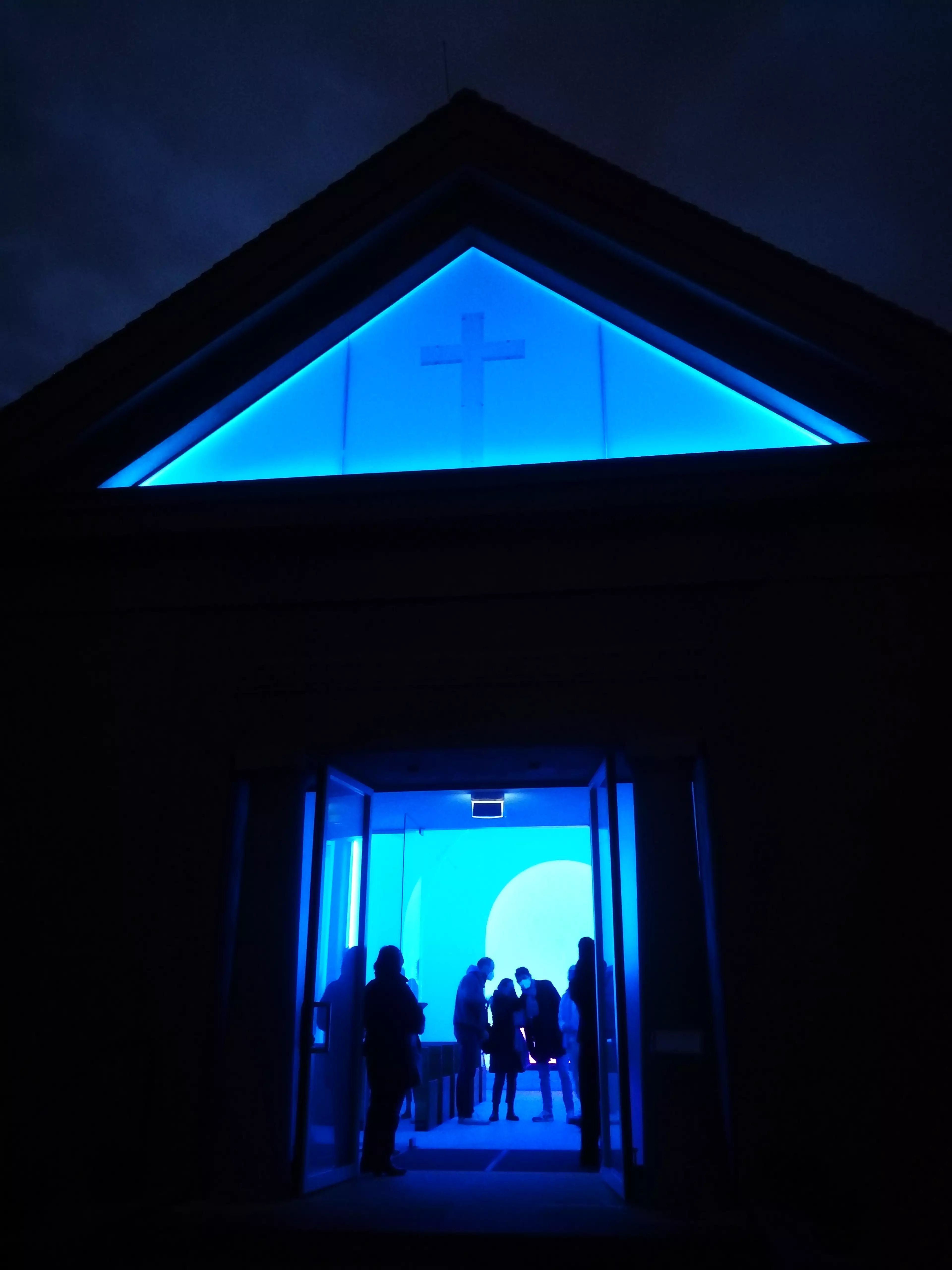
Yesterday i visited the Dorotheenstädtische Friedhof in the Chausseestraße1. Besides the graves of famous people like Bertolt Brecht, Borsig, Hegel or Christa Wolf, the cemetery features an interesting chapel. Built between 1927 and 1928, the chapel was destroyed during the Second World War and later reconstructed in the GDR, based on the testimonies of contemporary witnesses. In 2013, the chapel was renovated, and the opportunity was taken to contact the light artist James Turrell - one of the key figures of the Light and Space Movement.2 Together with the Berlin-based architecture bureau Nedelykov Moreira,3 the interior was redesigned to support Turrell’s site-specific vision.
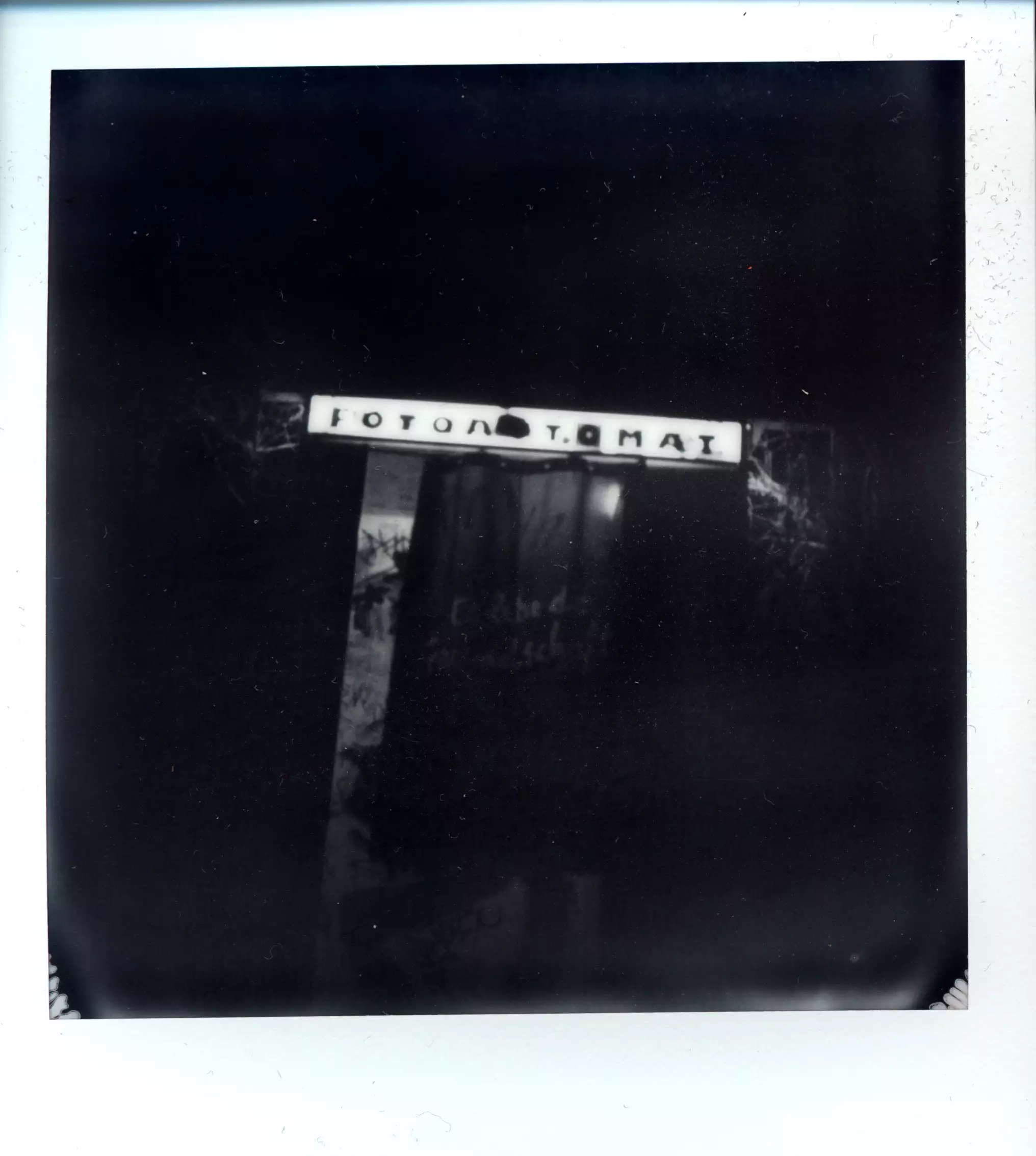
Near Arena Berlin, there are two photo booths. Since the pandemic, they’ve barely been used - at least whenever I’ve passed by. The one right in front of the Badeschiff gate feels especially strange when it’s empty; you only hear the wind and the distant sounds of the city. Still, I always get the feeling that something might happen if I step inside. It reminds me of the concept of liminal spaces: places that were once full of life but now feel empty, evoking nostalgia, lostness, and uncertainty1. They seem to exist outside of time, suspended between what was and whatever comes next. The pandemic created many of these uncomfortable liminal spaces, as transitions are always stressful - especially when we don’t know what’s ahead.
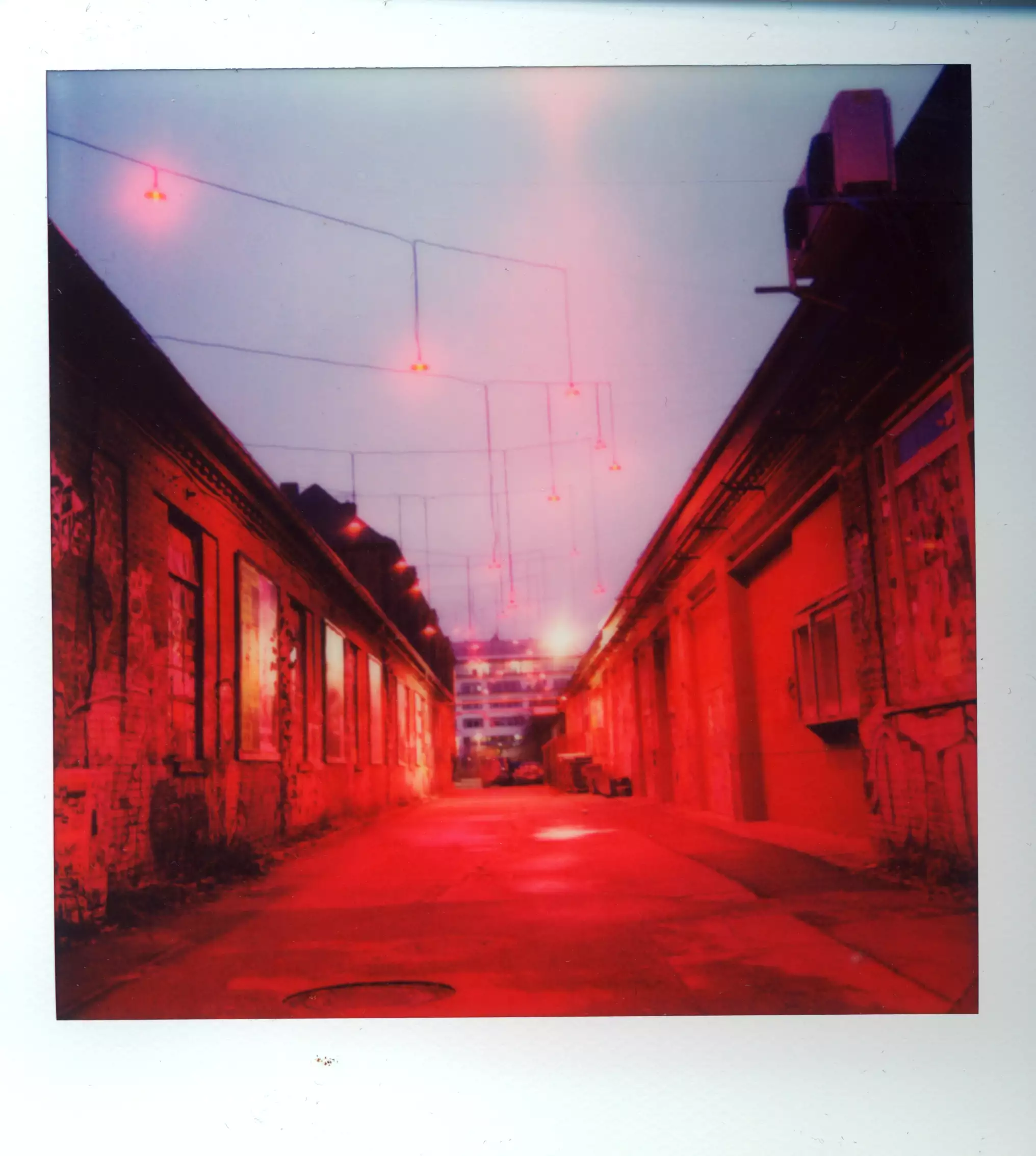
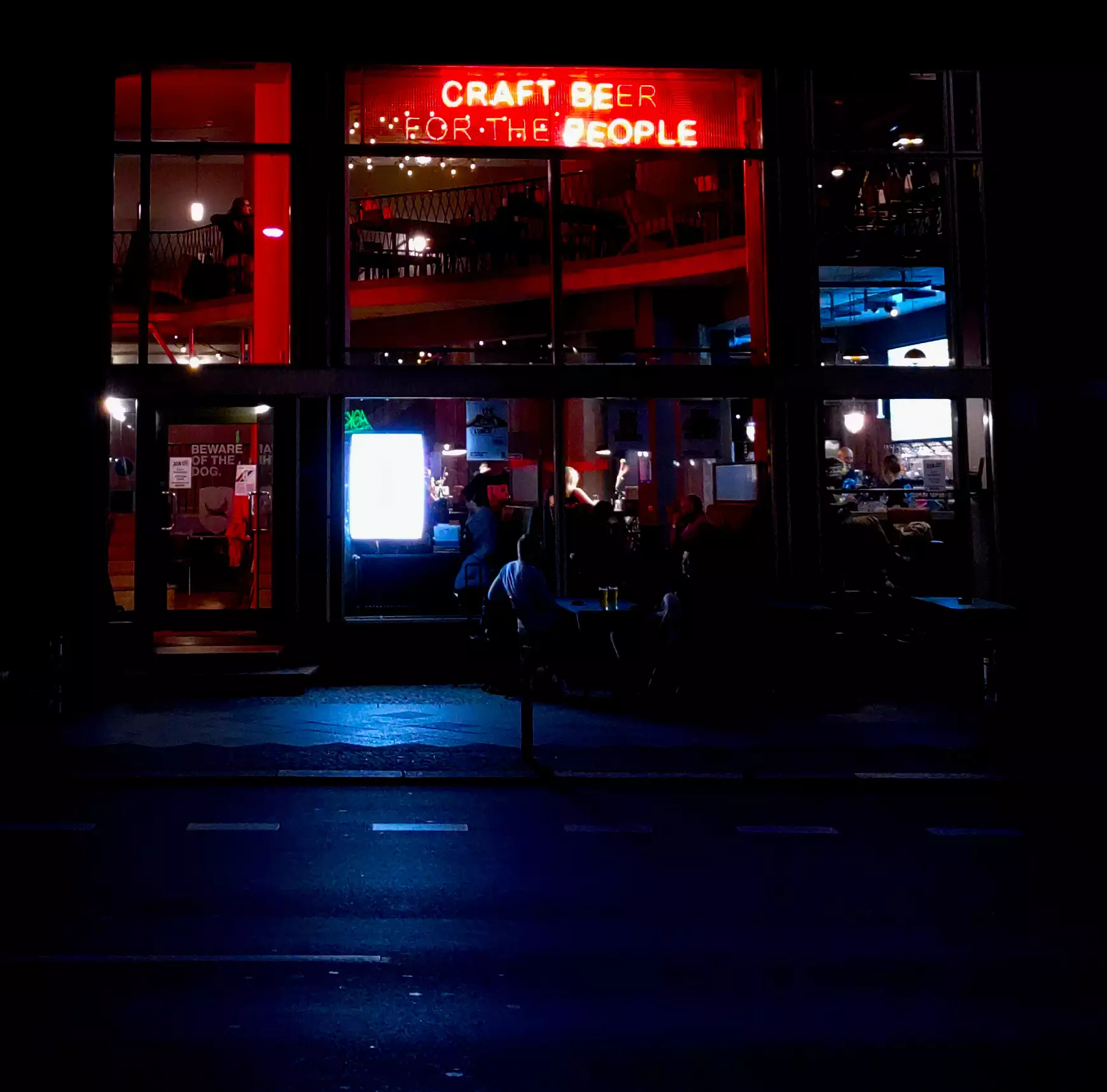
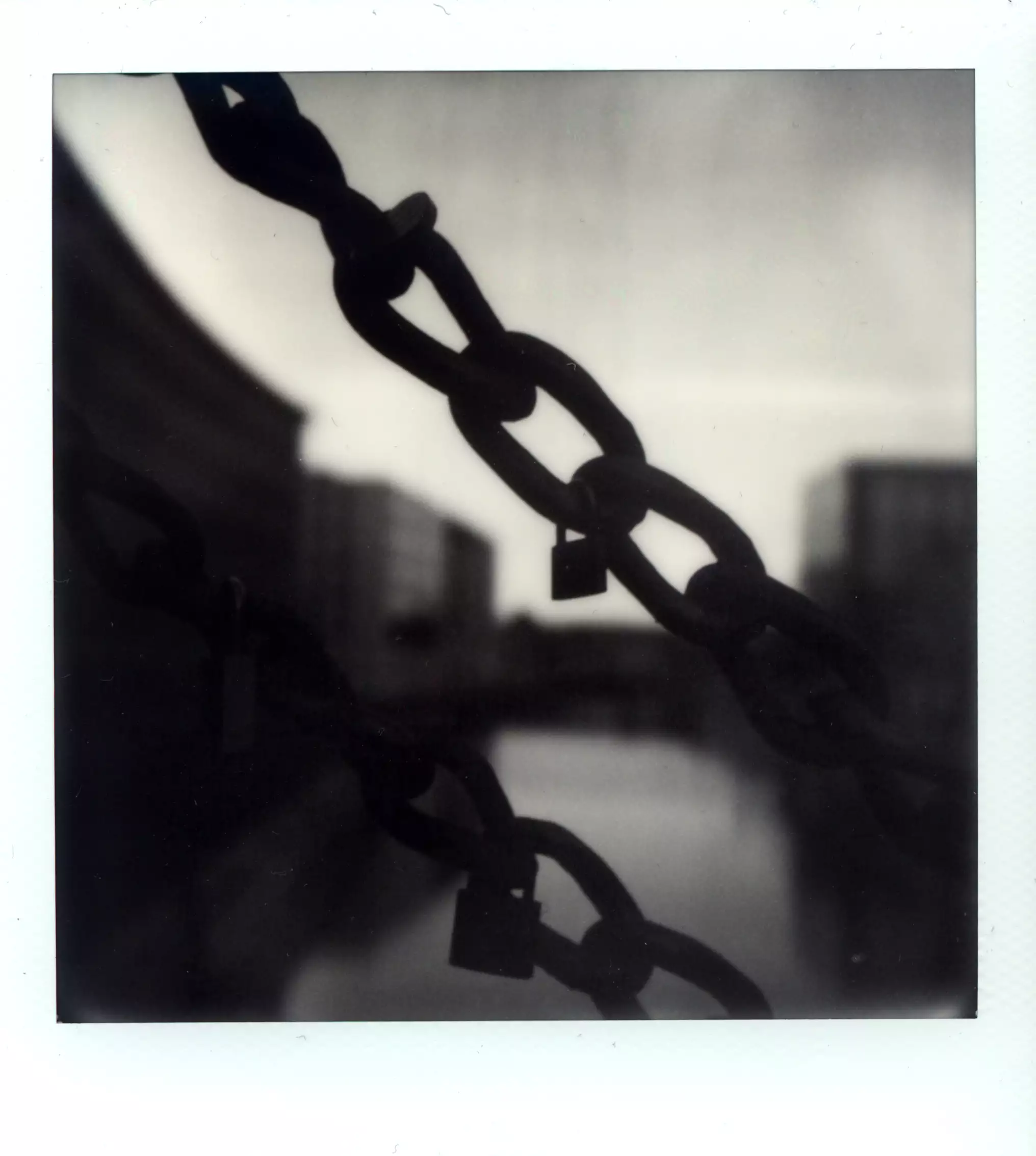
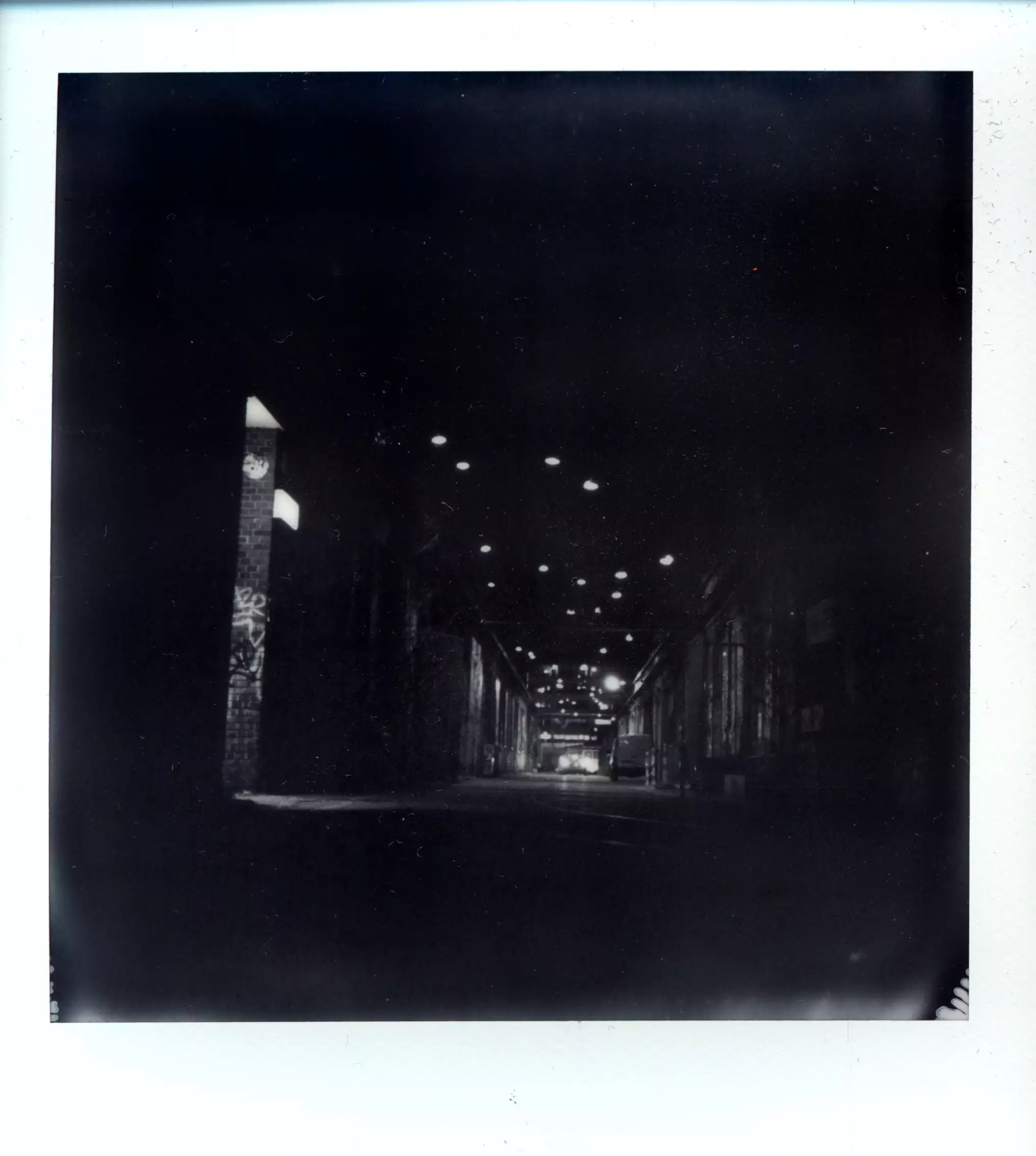
I ’ve always liked the atmosphere of Arena Berlin at night. Recently, I took two Polaroids - one in color, one in black and white - to see how the mood of the place would change. It’s interesting how the absence of color shifts the focus to light and shadow, giving the area a different feel.
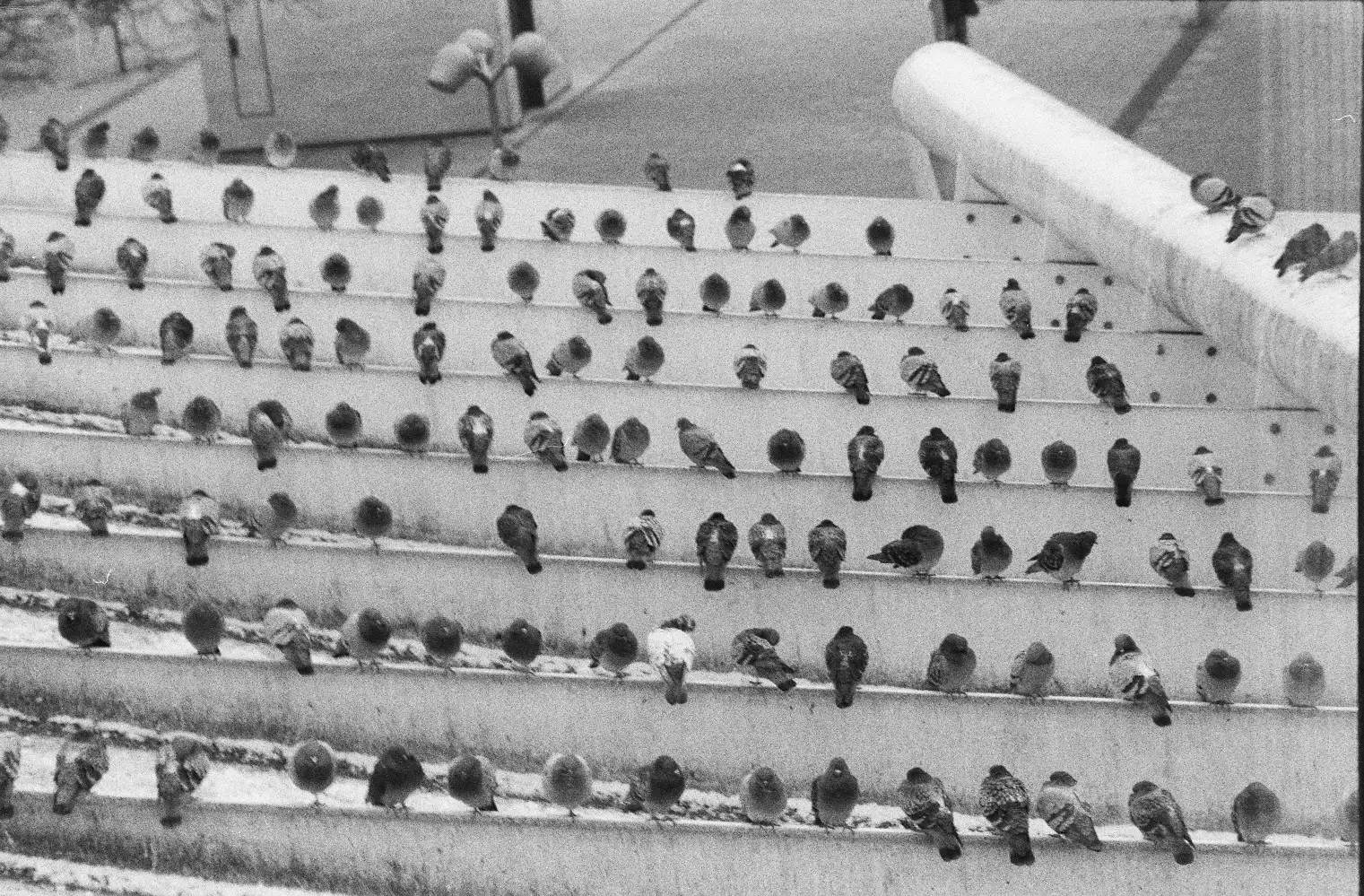
A few weeks ago, I stumbled upon a note in the supermarket: someone was looking for help feeding the pigeons at Bahnhof Lichtenberg. I had never really thought about whether pigeons needed to be fed, so, out of curiosity, I started reading articles and papers about pigeons in Berlin. It turns out this is a surprisingly polarizing topic.
It’s estimated that Berlin has about 10,000 feral pigeons. Recently, a new legal report1 was published examining the legal status of city pigeons as found animals. This report contains some fascinating points. It classifies city pigeons and their offspring as pets - that is, domestic animals - regardless of whether they have escaped or been released. Even after many generations, these pigeons do not lose their typical breeding behavior and do not mix genetically with the wild pigeon species found in Germany. Various scientific studies cited in the report show that the offspring of bred pigeons do not become “feral” either genetically or behaviorally over time. In addition, city pigeons are neither adapted to life in the wild nor suitable for it, due to their breeding, which often leads to poor health and a shorter life expectancy. Urban pigeons typically live only 2-3 years, compared to up to 15 years for well-cared-for domestic pigeons. Their high reproductive rate, a result of selective breeding, often leads to malnutrition and disease in the city environment. Unlike their wild relatives, they lay more eggs, even when food is scarce.
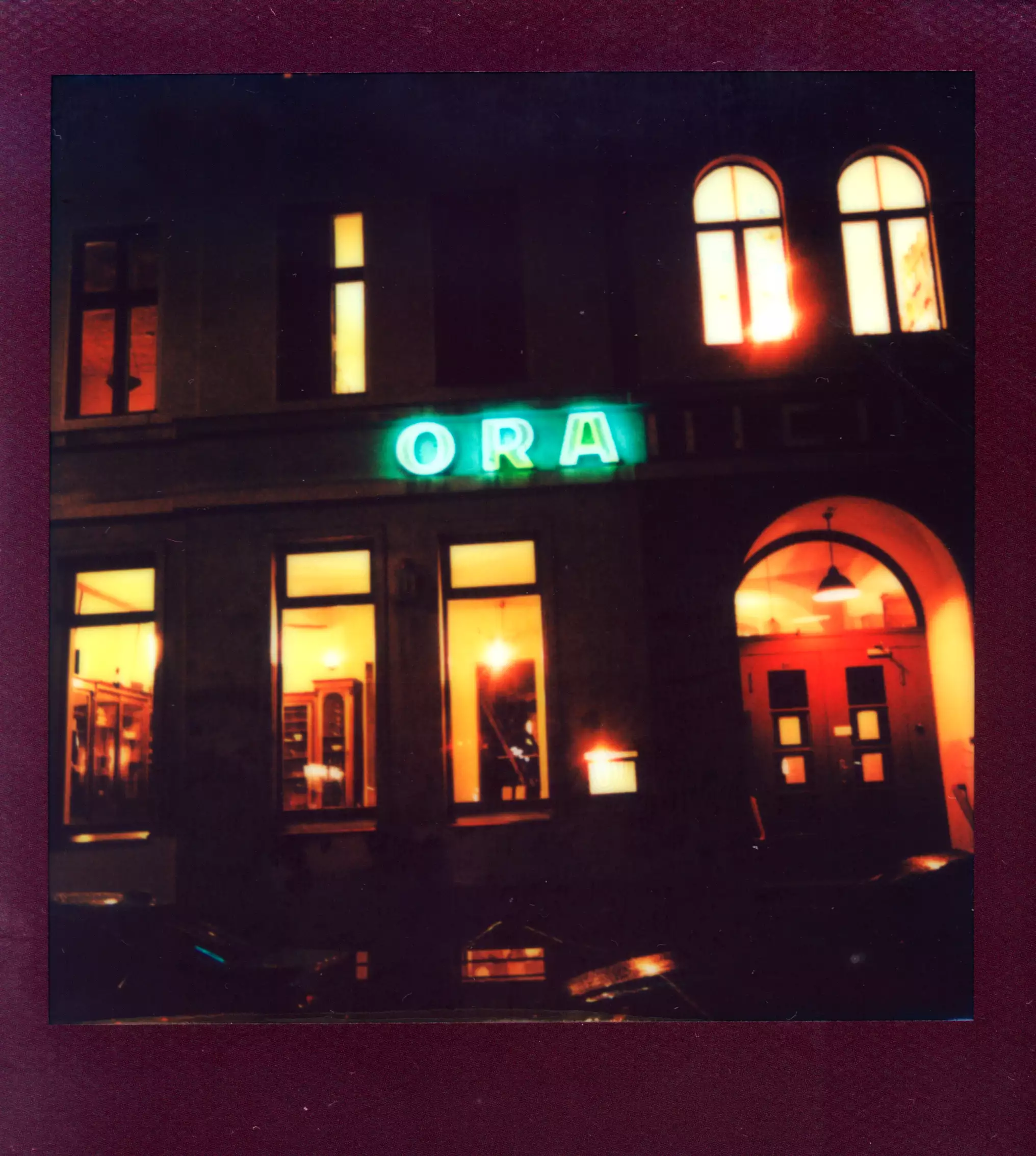
A wordplay: “Ora” is not only the name of this bar in Kreuzberg, but also the Latin imperative for “pray!”. The name pays homage to the former Oranien-Apotheke (pharmacy) that once occupied this space. The ORA has really elaborate wood paneling and even the stucco are original, dating back to the 1860s and 1920s. Also you can get some fancy cocktails there.
Shot on Polaroid i-type Metallic Nights with Polaroid OneStep+
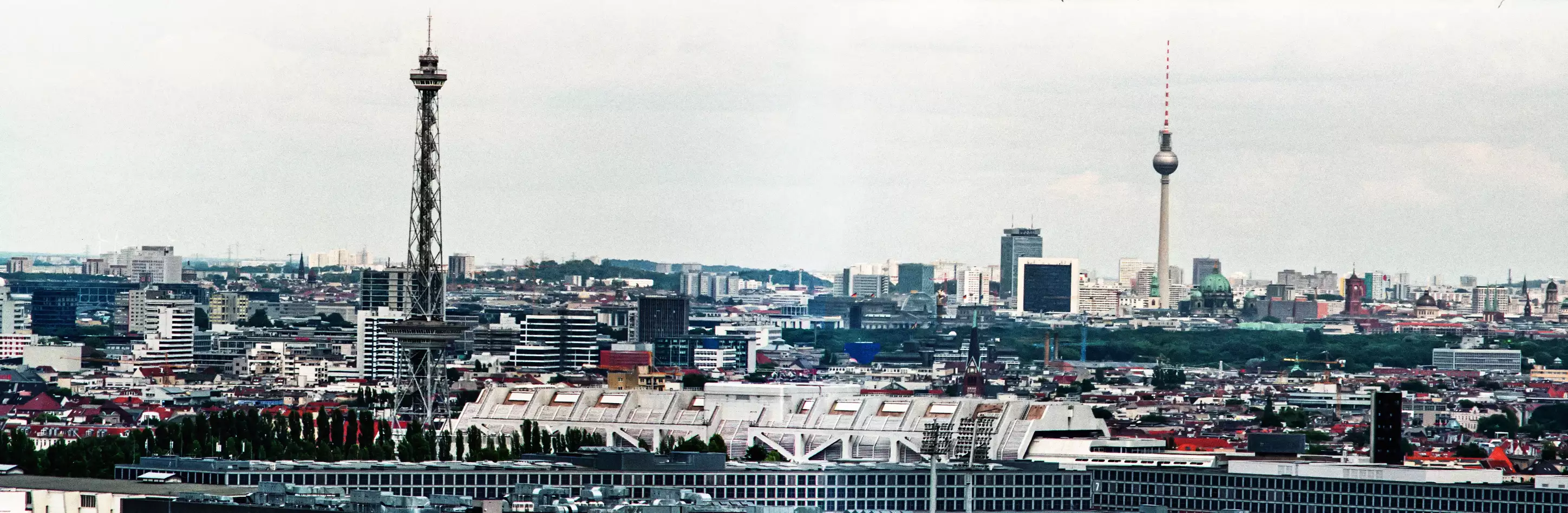
Panorama shot from the Teufelsberg towards the city with my Vivitar 400mm on Fuji Superia X-tra 400. The Teufelsberg, an artificial hill in the Grunewald forest, was constructed from the rubble of World War II and later became the site of a Cold War listening station. Its elevation (about 120 meters above sea level) offers one of the best panoramic views of Berlin.
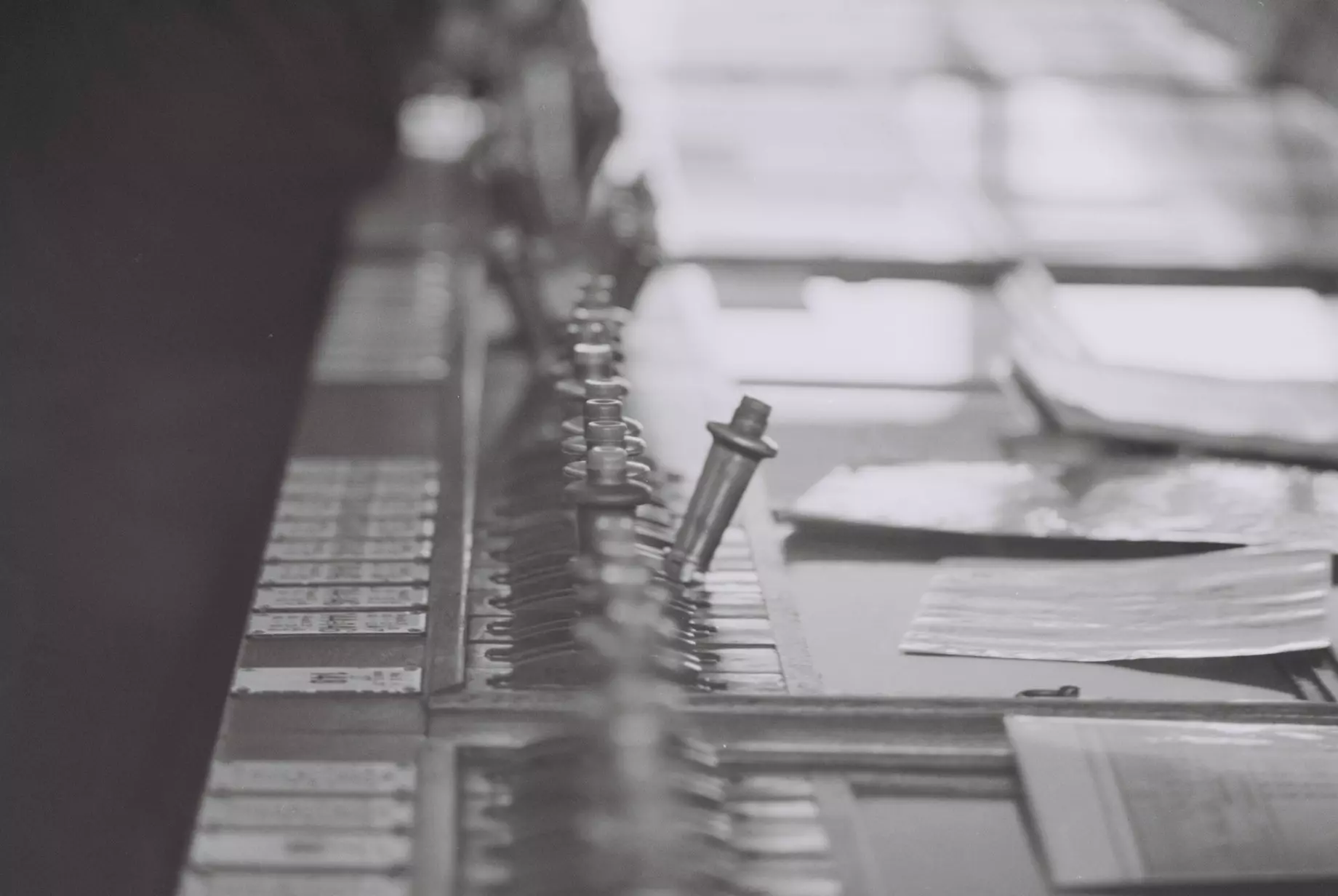
The second opportunity i took on the Open Memorial Day was a visit of the Underground Museum1. The Underground museum has been housed in the former signal box of the Olympic Stadium Station since 1997, hence the name “Olympic signal box”. The heart of the museum is the 14-meter-long lever mechanism of the electromechanical signal box of the VES 1913 type2. VES stands for “Vereinigte Eisenbahnsignalwerke”. Commissioned in 1931 as the largest signal box of this type in Europe, the entire operation of the Betriebswerkstatt Grunewald and the Olympia-Stadion station was monitored from here. 103 points and 99 signals were set with the levers and enabled train movements with over 616 travel options. Each lever in the interlocking system controlled either a track switch (“Weiche”) or a signal, and the mechanical interlocking ensured that conflicting train routes could not be set, greatly reducing the risk of accidents. The single-row signal box was in operation from 1931 to 1983.
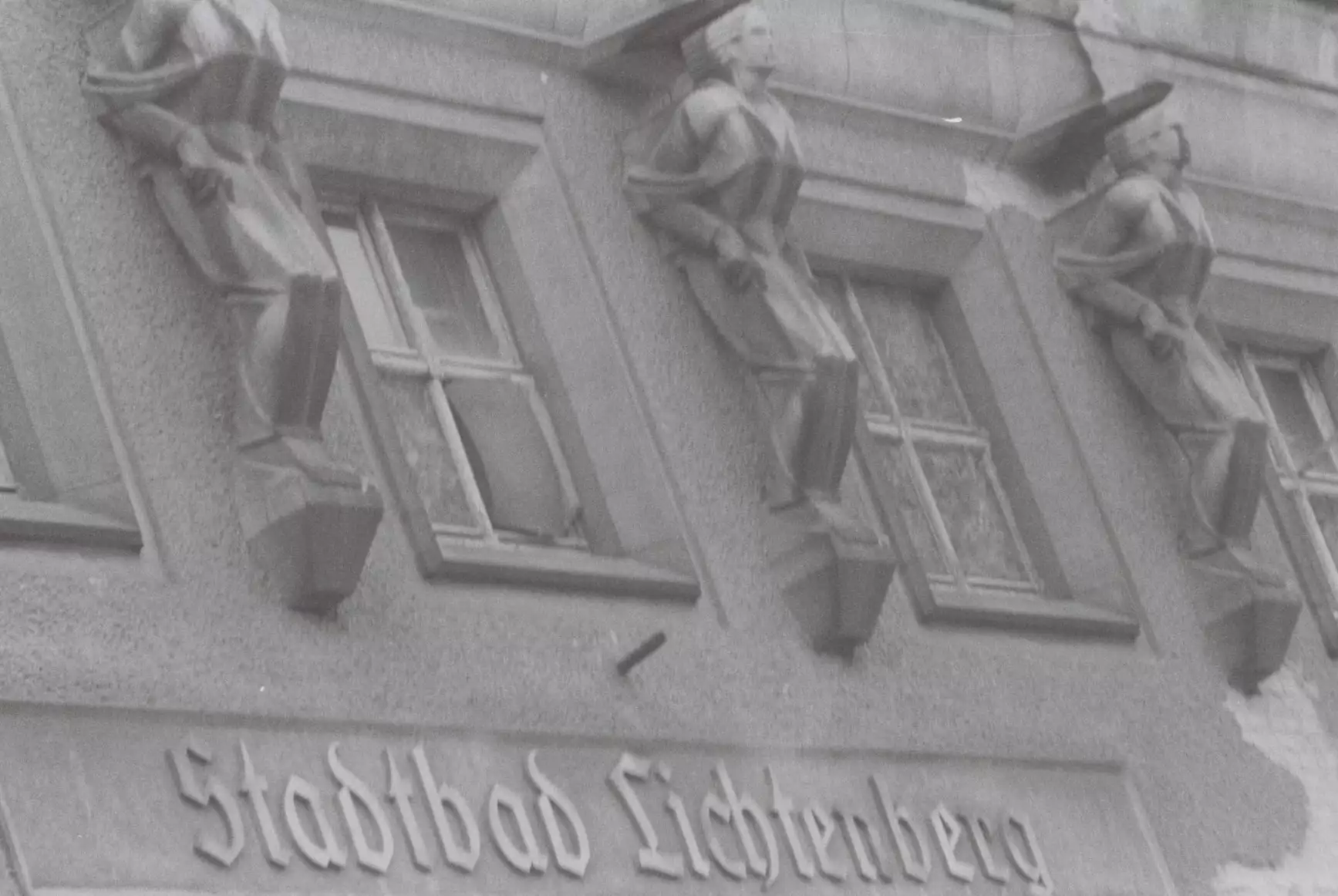
This year on the Open Monument Day (“Tag des offenen Denkmals,” an annual event in Germany that allows the public to visit historic buildings and sites not usually open to the public) I took the opportunity to visit the old Stadtbad Lichtenberg. I heard some stories about it, but I never saw it from the inside (I simply was too young). It was designed by the Lichtenberger Magistratsbaurat Otto Weis with two swimming pools for men and woman, showers and bathtubs, gymnastics room with massage rooms, a sauna and sunbathing on the roof as well as medical baths. The bath opened as the “Städtisches Volksbad” in 1928, built in the style of expressionist architecture, and it closed it doors in 1991 due to various construction defects (the water treatment system and heating were ailing) and tight budgets.1
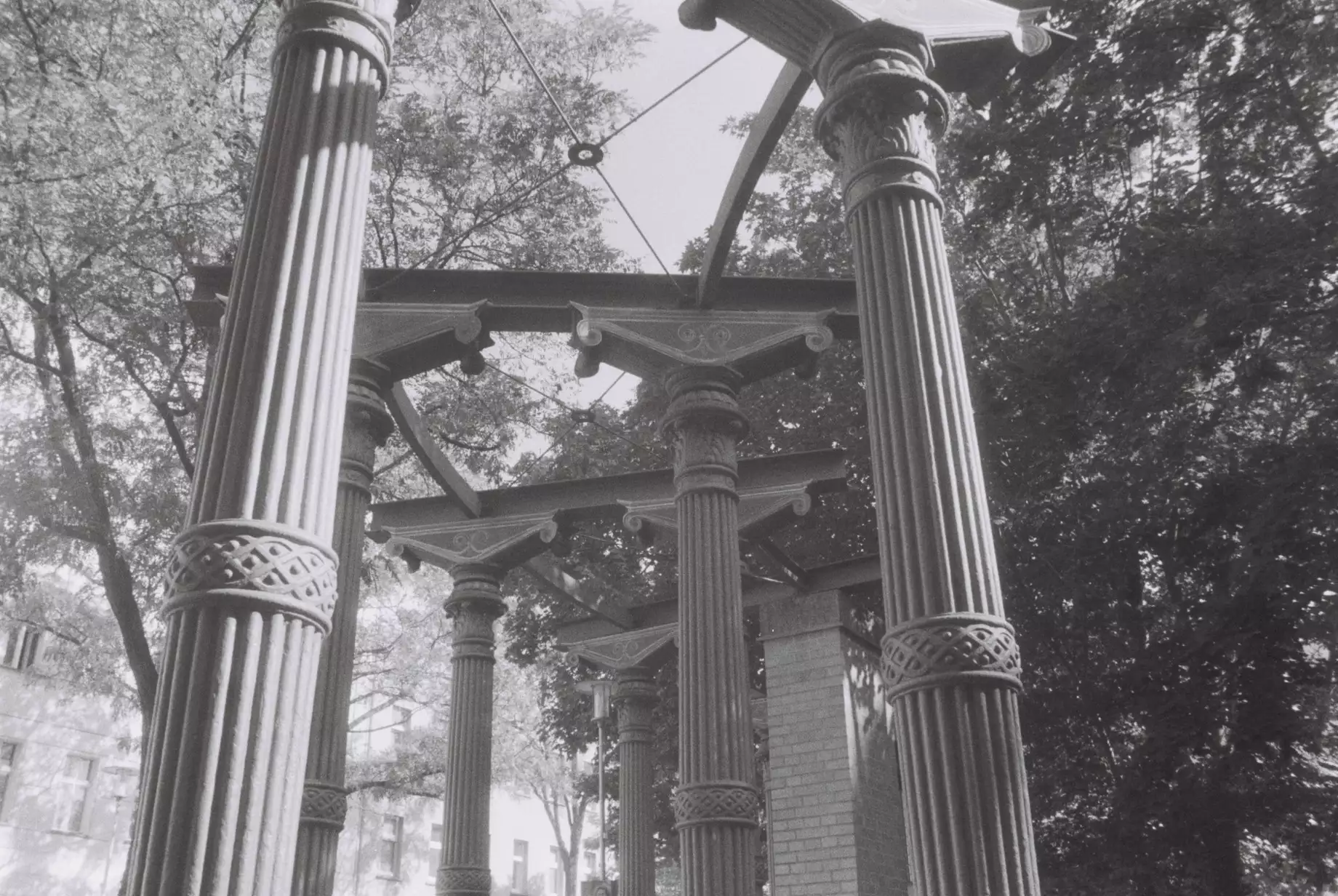
This is a relict of a former S-Bahn bridge and an open exhibition about the Hartungsche Säulen . The bridge over the Stadthausstraße was built in 1903 and was replaced by a new one in 2005/2006. The memorial in the Stadthausstraße was placed nearby the original location of the old bridge. A small sign explains the use and the history of the columns.
During the Wilhelminian period (late 19th to early 20th century), Berlin underwent rapid urbanization and technological modernization. The expansion of public transport, including double-decker buses and electric trams, required that bridges for trains had to be lifted higher so that doppeldeckerbusses and electric trams could pass underneath safely. For this, a new intermediate support beam was needed. A design competition was held, which the engineer Hugo Hartung won with his ‘Model II’. Hugo Hartung (1868–1919) was a German civil engineer known for his work on bridge construction and steel structures. His Model II column, or “Hartungsche Säule,” became a standard feature in Berlin’s railway infrastructure. Since then, they were used for railway bridge supports in Berlin because of their technical advantages, their attractive design, their low price, and their lower tendency to corrode compared to structural steel. The columns were typically made of cast iron, which, due to its high carbon content, is more resistant to corrosion than many early steel alloys. Their fluted design was not only decorative but also provided additional strength and stability. They were connected to the capitals (headpieces) and the base via ball joints to compensate for vibrations in the bridge. This ball-and-socket joint system allowed the columns to absorb and dissipate dynamic loads and vibrations from passing trains, reducing stress on the bridge structure and prolonging its lifespan. However, around 1902 they were seen as no longer up to date because of their unfavorable behavior when exposed to heat. Cast iron, while strong in compression, can become brittle and expand unevenly when subjected to high temperatures, which posed a risk in the event of fire or extreme heat. Nevertheless, the Hartung columns were used unchanged until 1914 in the construction of numerous railway bridges in Berlin.
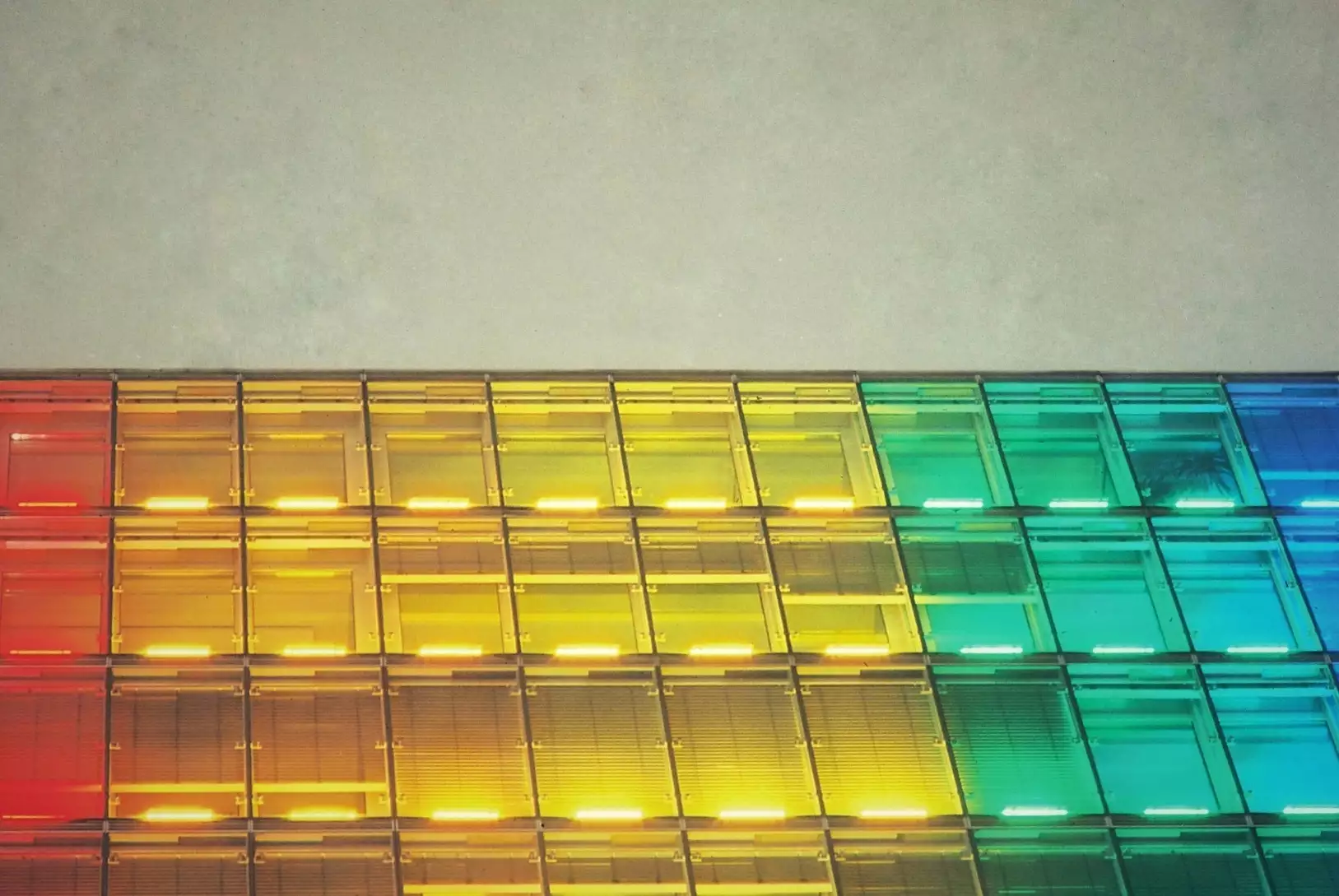
The former Narva-Turm, is a striking glass tower located on Warschauer Straße in Berlin-Friedrichshain. The colorful, illuminated glass cube was designed by the architects Schweger und Partner and completed in 2000. The cube itself is 21 meters high, while the entire Narva-Turm rises 63 meters above the city. Originally, this site was home to the Narva factory, which produced light bulbs for the GDR and much of the former Eastern Bloc. The factory closed in 1992, resulting in the loss of 5,000 jobs.