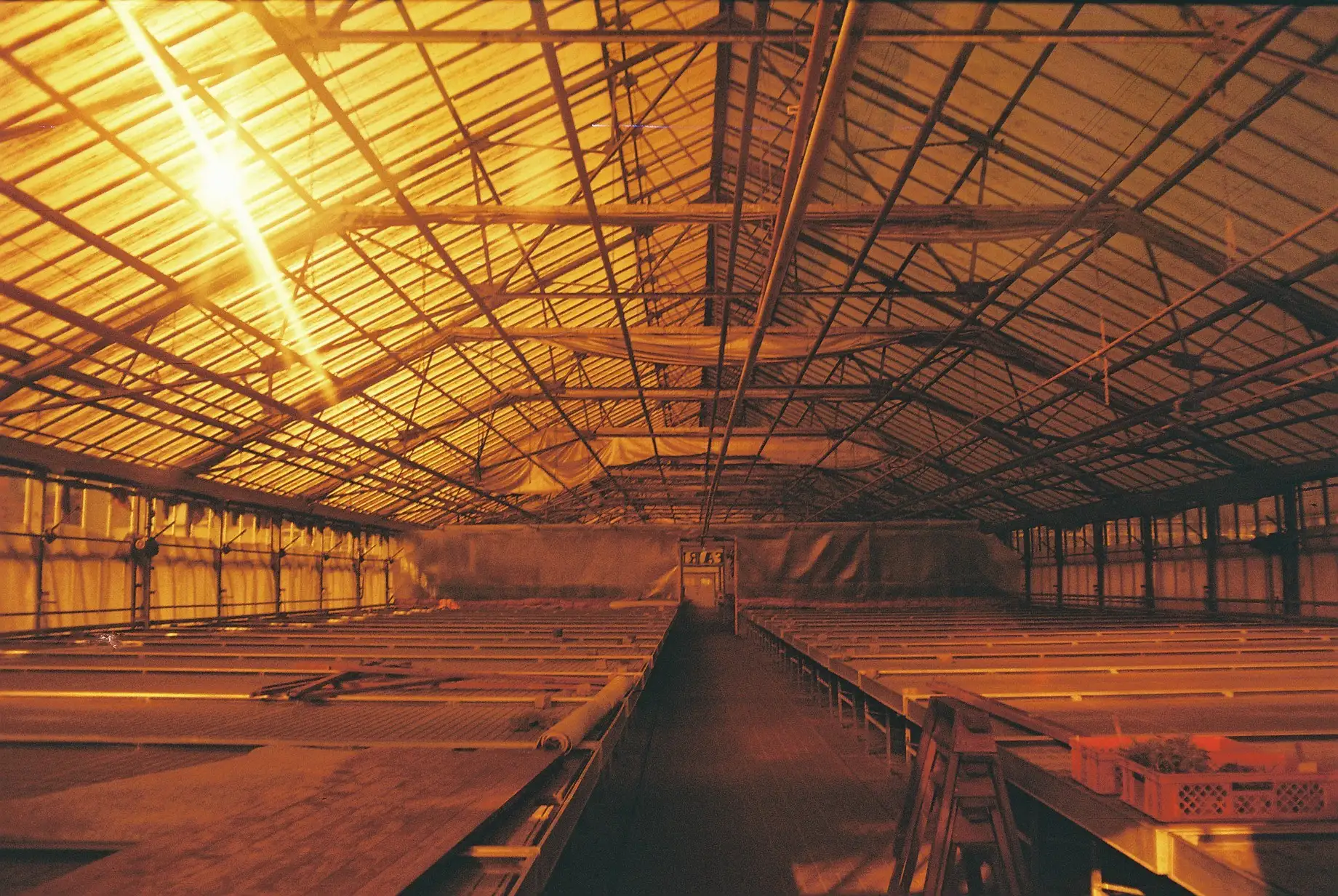
Today I read that the Stadtfarm in Landschaftspark Herzberge has to close for good because of income losses due to missing sales to the catering industry, fewer customers, and rising energy costs.1 That’s a real loss for the area, because the concept of aquaponics is really fascinating.2 By utilizing natural cycles, the breeding of edible fish (African catfish3) is combined with the cultivation of vegetables. The liquid excretions of the catfish serve as valuable plant fertilizer: they pass through a biofilter, where bacteria convert the ammonium into nitrate. The water is then used to feed tomatoes, peppers, chilies, and herbs, before cycling back to the fish. It’s a closed-loop system that works without soil or additional irrigation.4
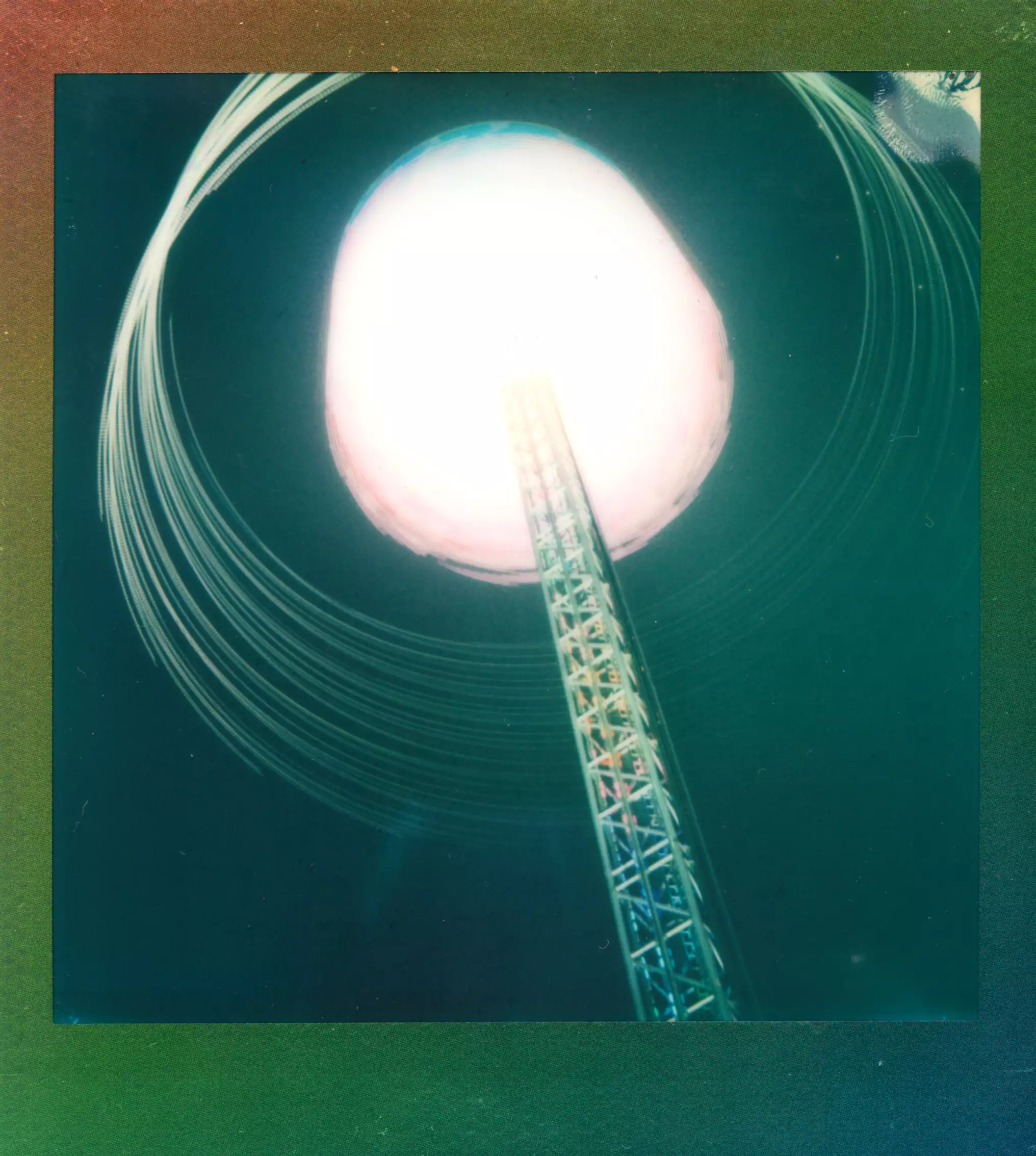
Every evening when the sun goes down, I see the spotlights and bright glow of the Christmas market near Frankfurter Allee. It feels like a foreign object that’s suddenly materialized, distorting the whole area. I wonder if they chose extra spotlights just because cultural events and folk festivals have an exemption in the EnSikuMaV1. I can totally understand why people living directly in front of the market might be upset2 - especially on cold, foggy nights when the light is just eerie and overwhelmingly bright.
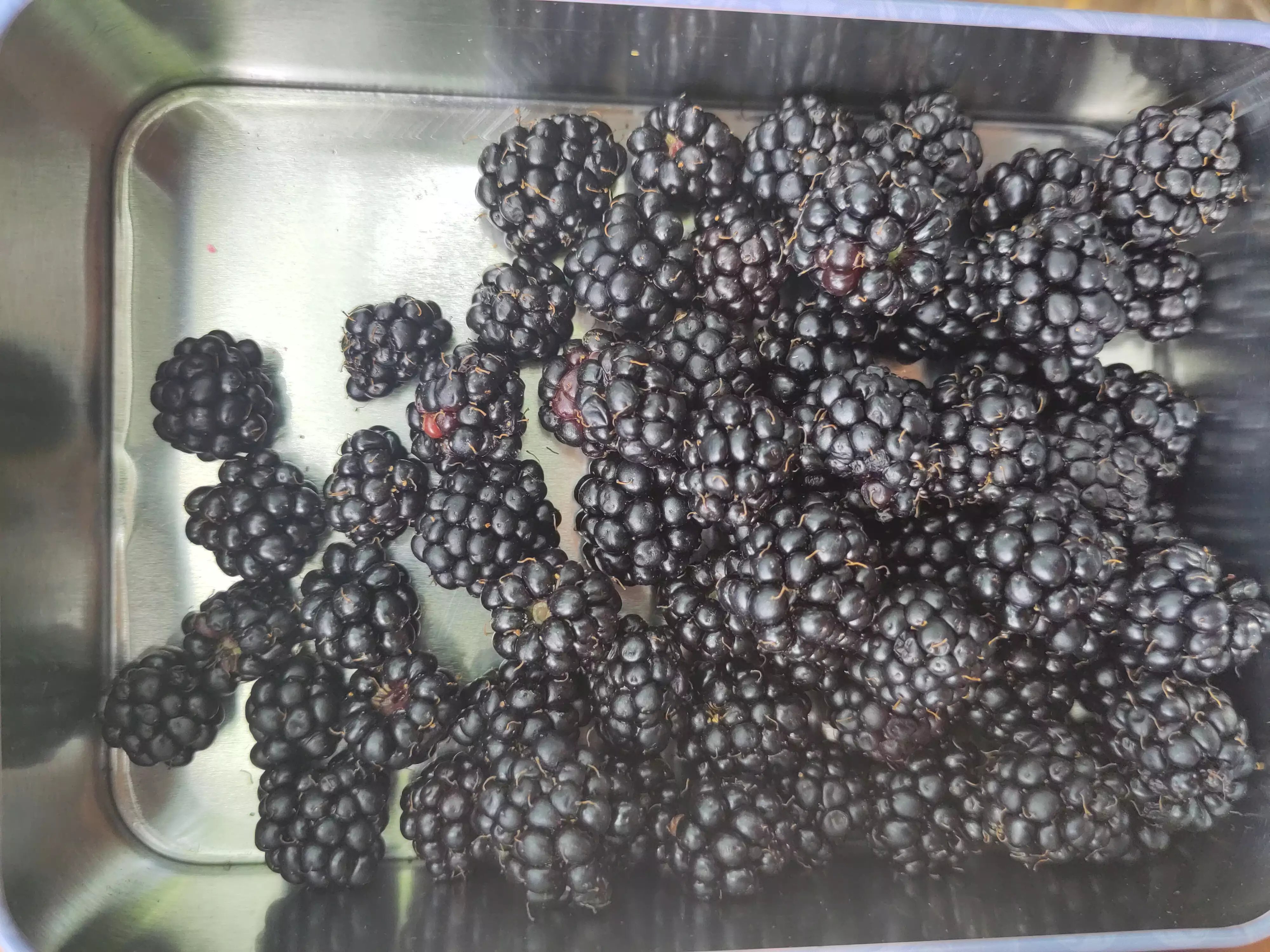
On Sunday, I went to a small hidden spot to check if the blackberries were ripe for foraging. It’s behind the playing field on Bornitzstraße, and you quickly stumble into dozens of blackberry bushes. No one was around, so I started picking - until a small thought grew bigger: “Is it safe to eat here? This was an industrial area - aren’t the berries polluted?” That question kept nagging at me. There’s some trash here and there (though not right at the front), but is there a better way to find out if it’s safe to eat?
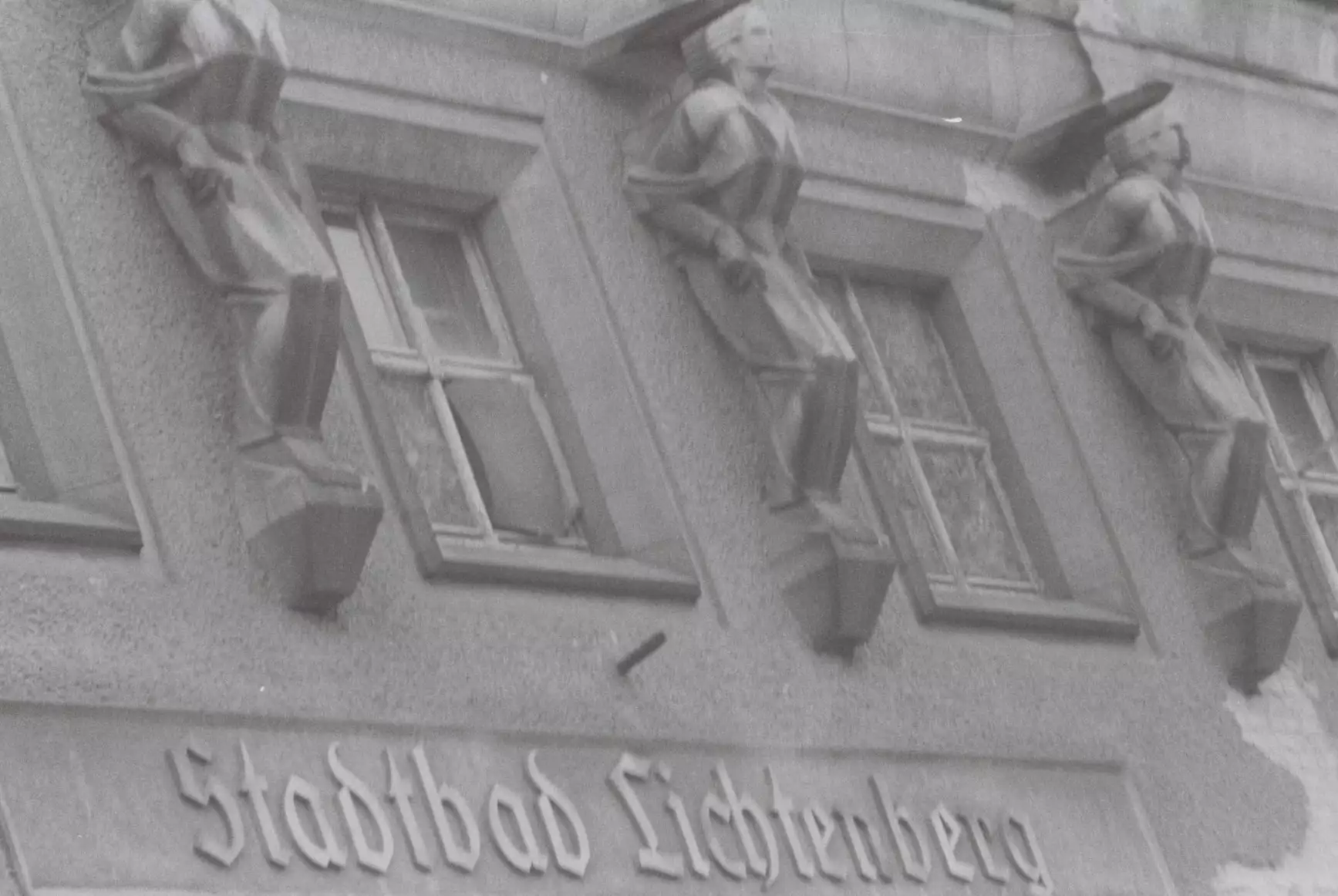
This year on the Open Monument Day (“Tag des offenen Denkmals,” an annual event in Germany that allows the public to visit historic buildings and sites not usually open to the public) I took the opportunity to visit the old Stadtbad Lichtenberg. I heard some stories about it, but I never saw it from the inside (I simply was too young). It was designed by the Lichtenberger Magistratsbaurat Otto Weis with two swimming pools for men and woman, showers and bathtubs, gymnastics room with massage rooms, a sauna and sunbathing on the roof as well as medical baths. The bath opened as the “Städtisches Volksbad” in 1928, built in the style of expressionist architecture, and it closed it doors in 1991 due to various construction defects (the water treatment system and heating were ailing) and tight budgets.1
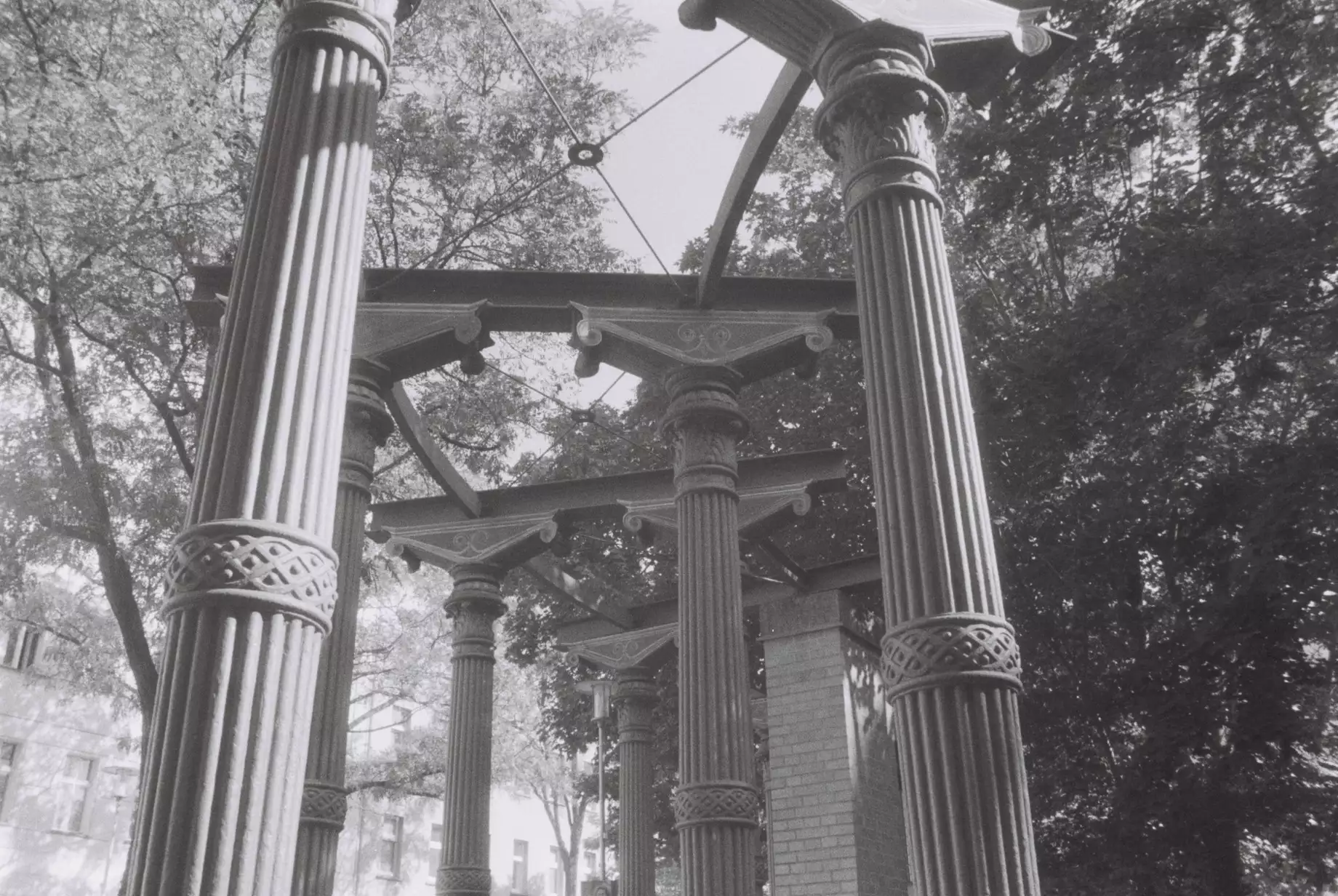
This is a relict of a former S-Bahn bridge and an open exhibition about the Hartungsche Säulen . The bridge over the Stadthausstraße was built in 1903 and was replaced by a new one in 2005/2006. The memorial in the Stadthausstraße was placed nearby the original location of the old bridge. A small sign explains the use and the history of the columns.
During the Wilhelminian period (late 19th to early 20th century), Berlin underwent rapid urbanization and technological modernization. The expansion of public transport, including double-decker buses and electric trams, required that bridges for trains had to be lifted higher so that doppeldeckerbusses and electric trams could pass underneath safely. For this, a new intermediate support beam was needed. A design competition was held, which the engineer Hugo Hartung won with his ‘Model II’. Hugo Hartung (1868–1919) was a German civil engineer known for his work on bridge construction and steel structures. His Model II column, or “Hartungsche Säule,” became a standard feature in Berlin’s railway infrastructure. Since then, they were used for railway bridge supports in Berlin because of their technical advantages, their attractive design, their low price, and their lower tendency to corrode compared to structural steel. The columns were typically made of cast iron, which, due to its high carbon content, is more resistant to corrosion than many early steel alloys. Their fluted design was not only decorative but also provided additional strength and stability. They were connected to the capitals (headpieces) and the base via ball joints to compensate for vibrations in the bridge. This ball-and-socket joint system allowed the columns to absorb and dissipate dynamic loads and vibrations from passing trains, reducing stress on the bridge structure and prolonging its lifespan. However, around 1902 they were seen as no longer up to date because of their unfavorable behavior when exposed to heat. Cast iron, while strong in compression, can become brittle and expand unevenly when subjected to high temperatures, which posed a risk in the event of fire or extreme heat. Nevertheless, the Hartung columns were used unchanged until 1914 in the construction of numerous railway bridges in Berlin.