The russian cemetery in Tegel
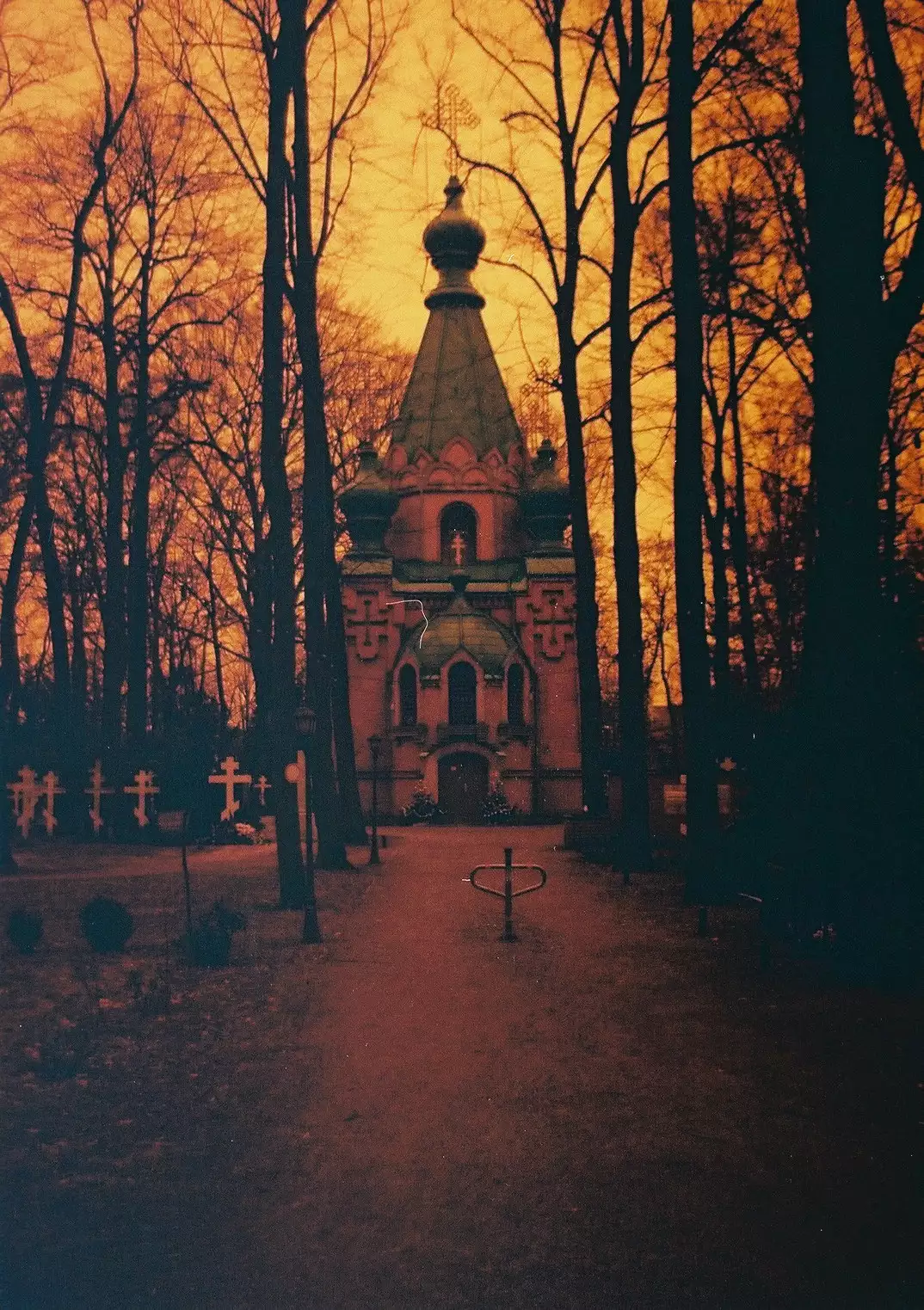
At the beginning of the year, I wandered through Tegel and visited a small piece of Russian soil: the Russian Orthodox cemetery. The whole area has an interesting history, and it’s the only church of the Russian Orthodox community in Berlin-Tegel.1
The initiative for the cemetery goes back to the “Bruderschaft des heiligen Fürsten Wladimir,” a brotherhood that is still active today. They bought the property for 30,000 marks in 1892, at a time when the Russian community in Berlin was growing. In addition to the cemetery and chapel, the brotherhood erected several buildings, including greenhouses, a typesetter’s workshop, and a library.2 At the center of the graveyard stands the St. Constantine and Helena Church, built in 1894 as a replica of Moscow’s St. Basil’s Cathedral. The chapel once housed precious icons, but these were lost through robbery. I haven’t seen the chapel yet, but I’ve read that it has a beautiful iconostasis - maybe I’ll get to see it someday.
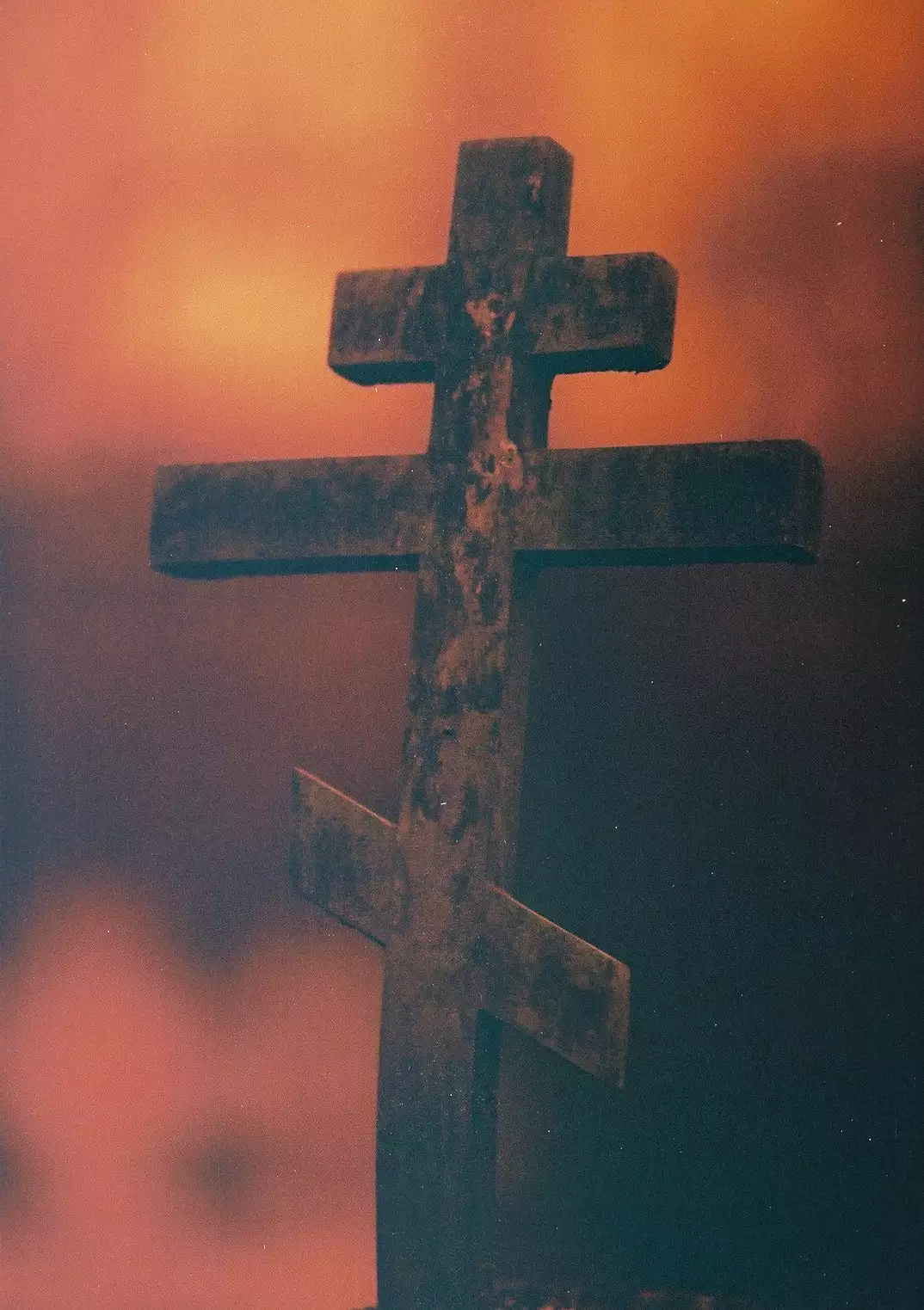
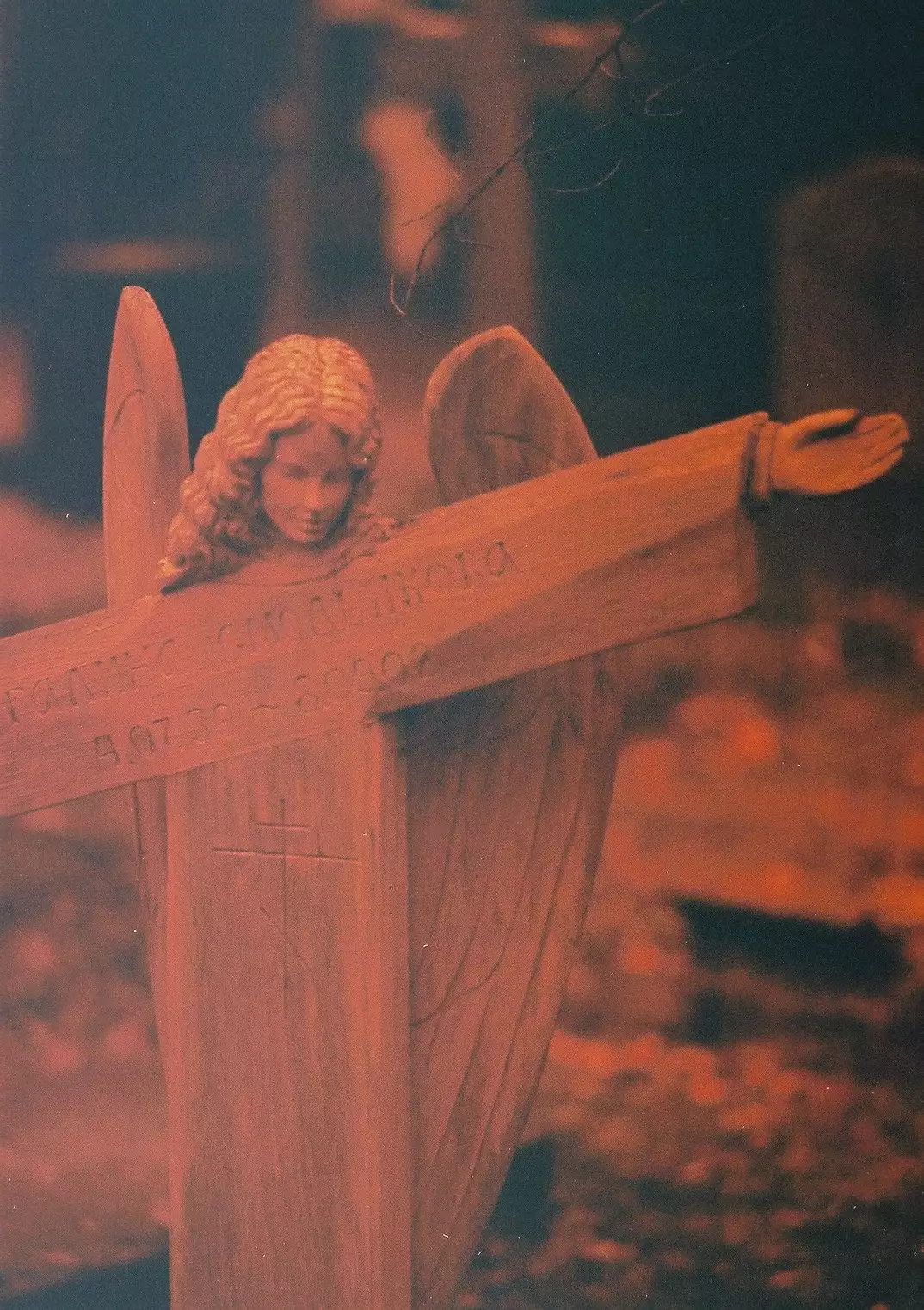
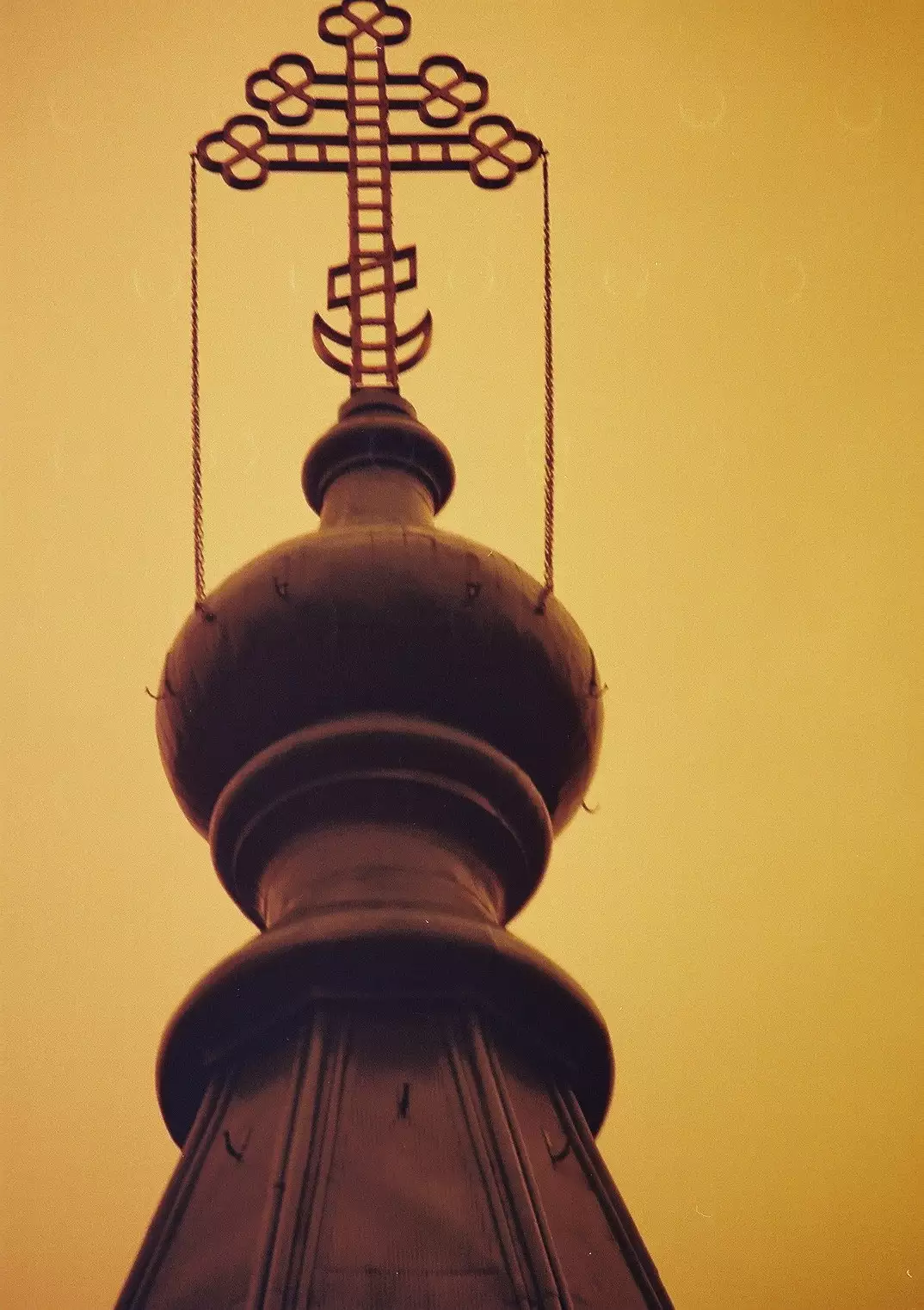
The three crossarm of different lengths and shapes of the orthodox cross symbolize Christ’s crucifixion: The short upper arm of the cross represents the titulus board (i.e. where the inscription INRI was seen). The middle arm represent the place where the arms of Christ were attached. And the slanted arm is the suppedaneum (the board under the feet at the crucifixion)
What makes the cemetery especially unique is that Tsar Alexander III sent 4,000 tons of earth from 50 regions of Russia in four trains, so that the deceased could rest in their native soil. With the construction of the cemetery, strictly orthodox burials became possible, including celebrations with an open coffin.
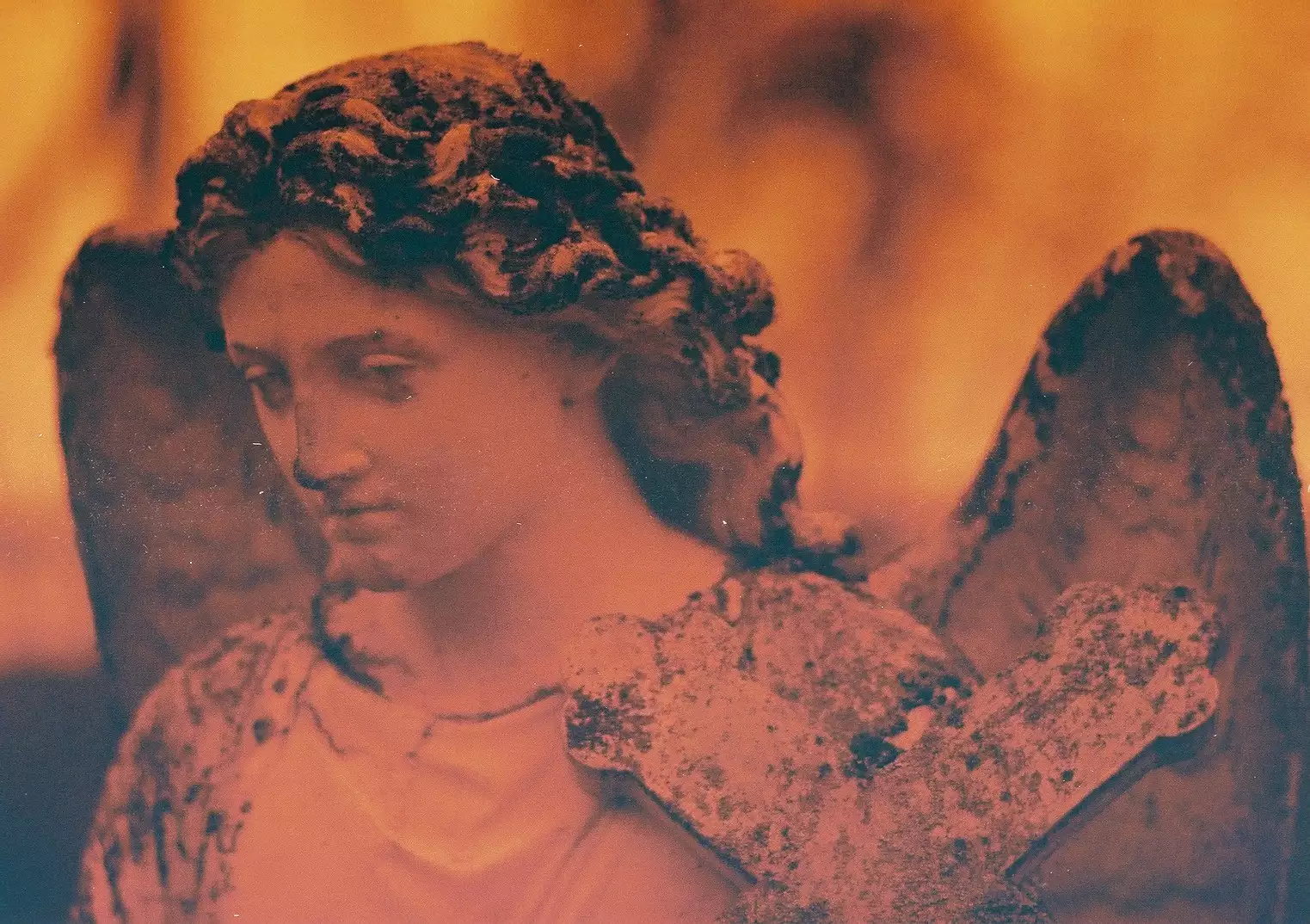
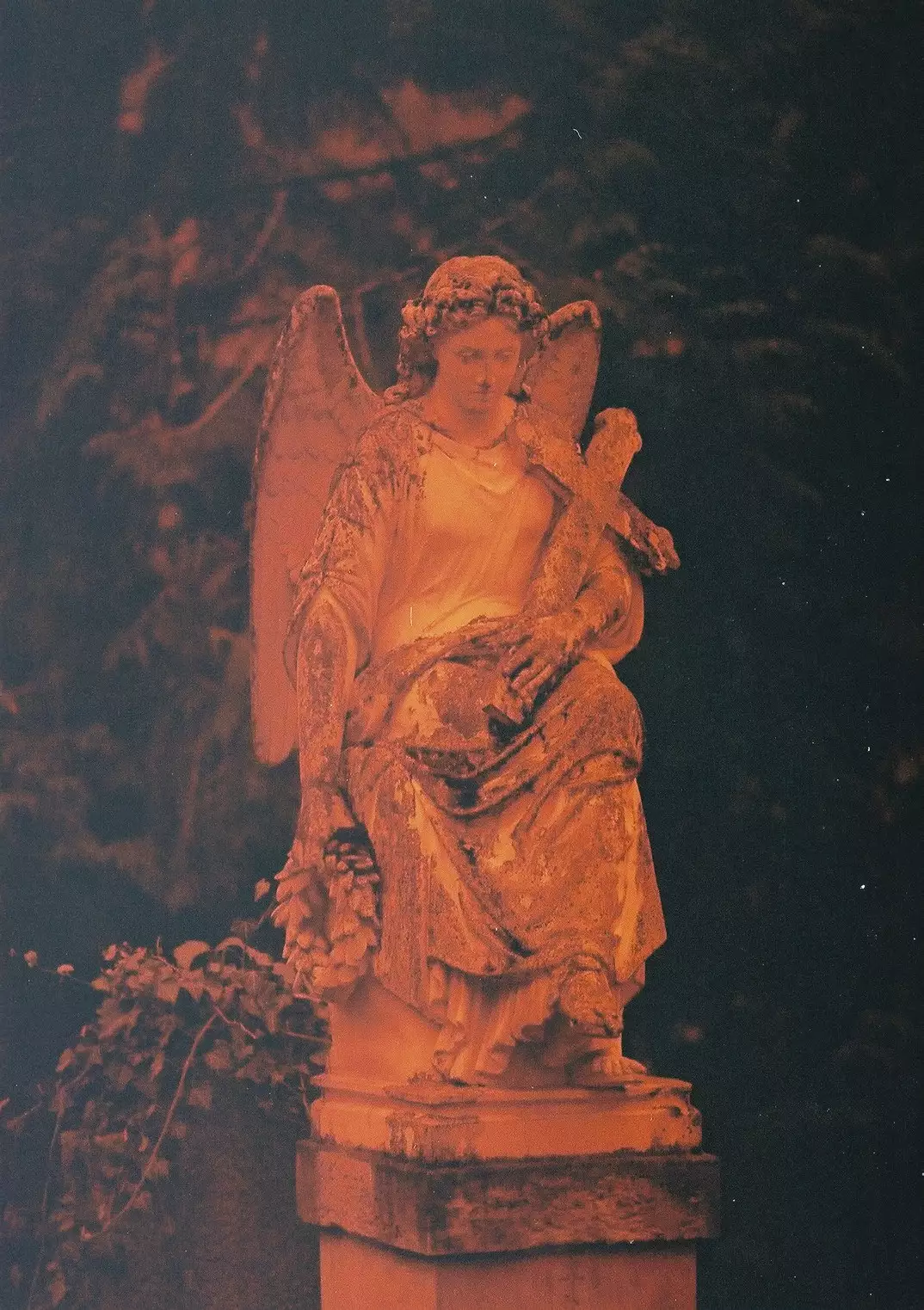
After its inauguration, the cemetery became the final resting place for members of the Russian aristocracy, high-ranking officers, artists, and intellectuals. Some graves bear the names of old Russian noble families, like Kropotkin, Golizyn, or Daschkow.3 There is also the grave of Michail Ossipowitsch Eisenstein (1867–1921), father of the well-known Soviet film director Sergei Michailowitsch Eisenstein (1898–1948), whose most famous work is the film “Panzerkreuzer Potemkin.”
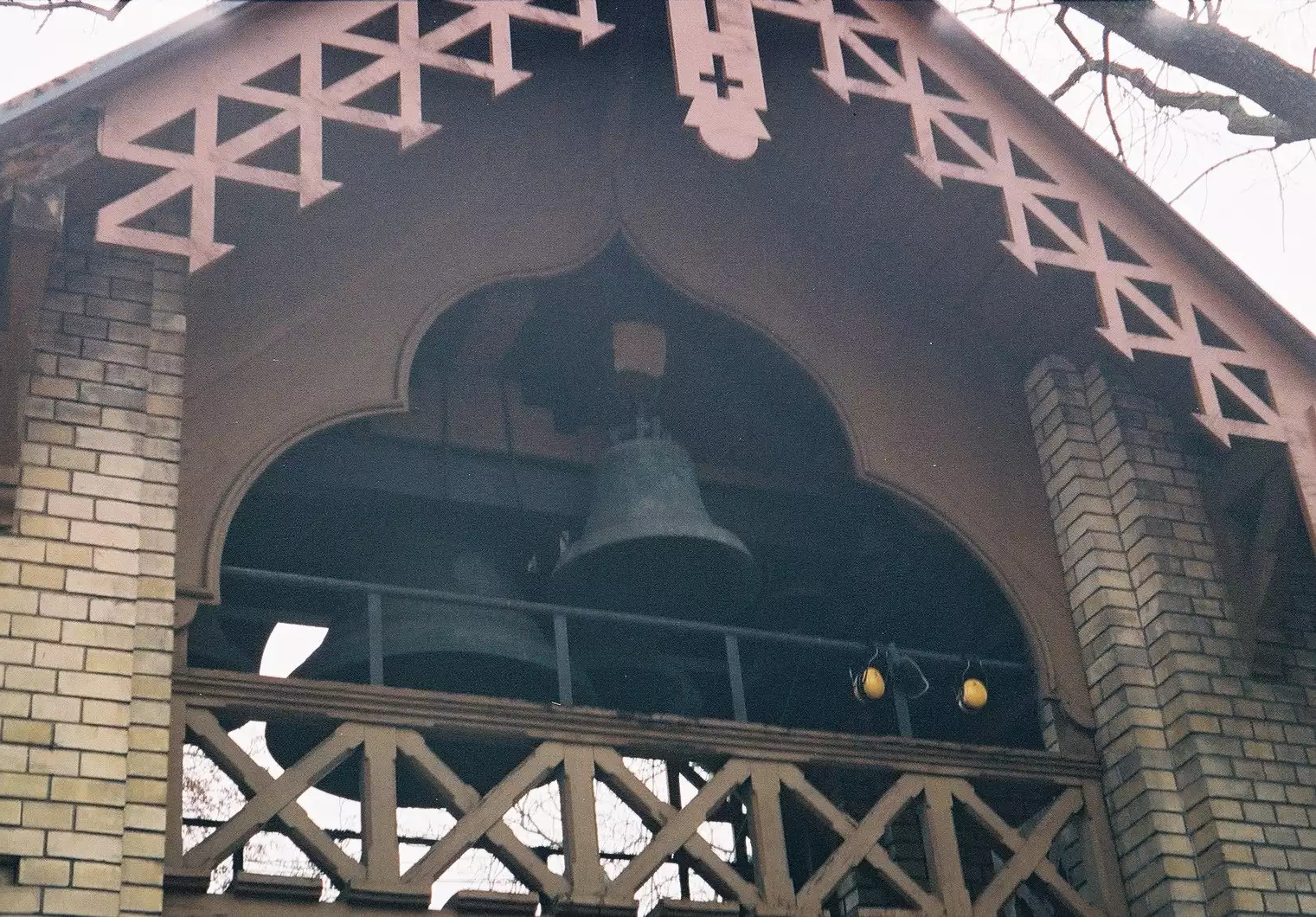
The entry gate has its own interesting history. Hanging in the gate are nine bells that the Wehrmacht stole from the Soviet Union during World War II. The battles around Berlin in 1945 severely damaged the site. After the war, the cemetery continued to decay. It was located in the French sector, and with fewer citizens of Russian origin in West Berlin, as well as Cold War tensions, the site fell into disrepair.4 Since reunification, many graves have been restored thanks to private initiatives and donations.
It’s sad to think that cemeteries like this may see a rise in burials these days.
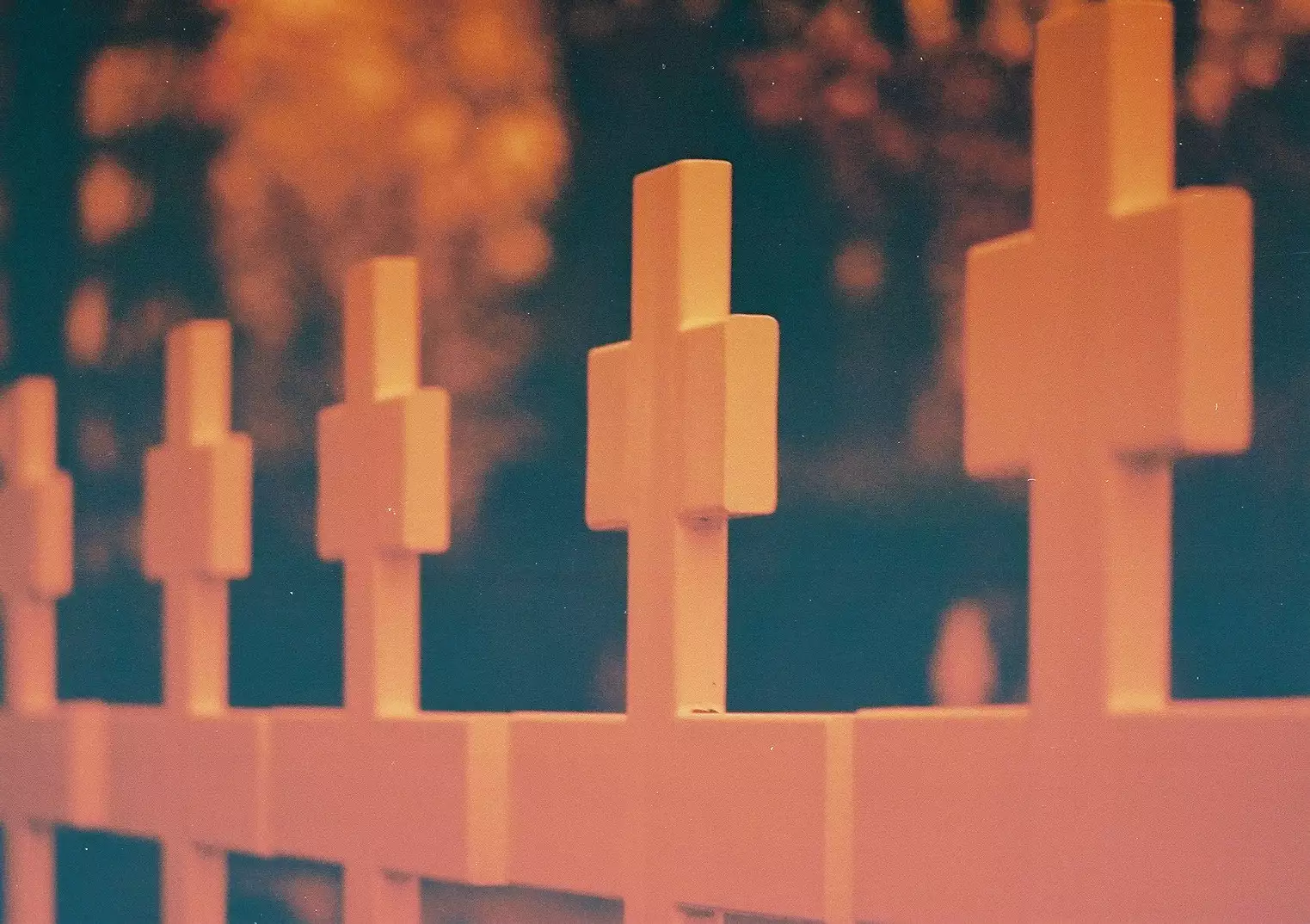
The white St. Andrew’s crosses are characteristic for this cemetery. The graves, which are almost exclusively burials, are laid out in an east-west direction according to Orthodox tradition
-
https://de.wikipedia.org/wiki/Russischer_Friedhof_(Berlin-Tegel) and https://xpam-tegel.wixsite.com/xpam/about_us ↩︎
-
The former buildings of the brotherhood don’t exist anymore. ↩︎
-
There was one website of the cemetery that had a list of all the people that were buried there. Now there is nothing. Thanks to archive.org the list is still there: https://web.archive.org/web/20220111092455/https://pogost-tegel.info/index_de.php?navi=4 ↩︎
-
I can imagine they face the same sentiments again. ↩︎