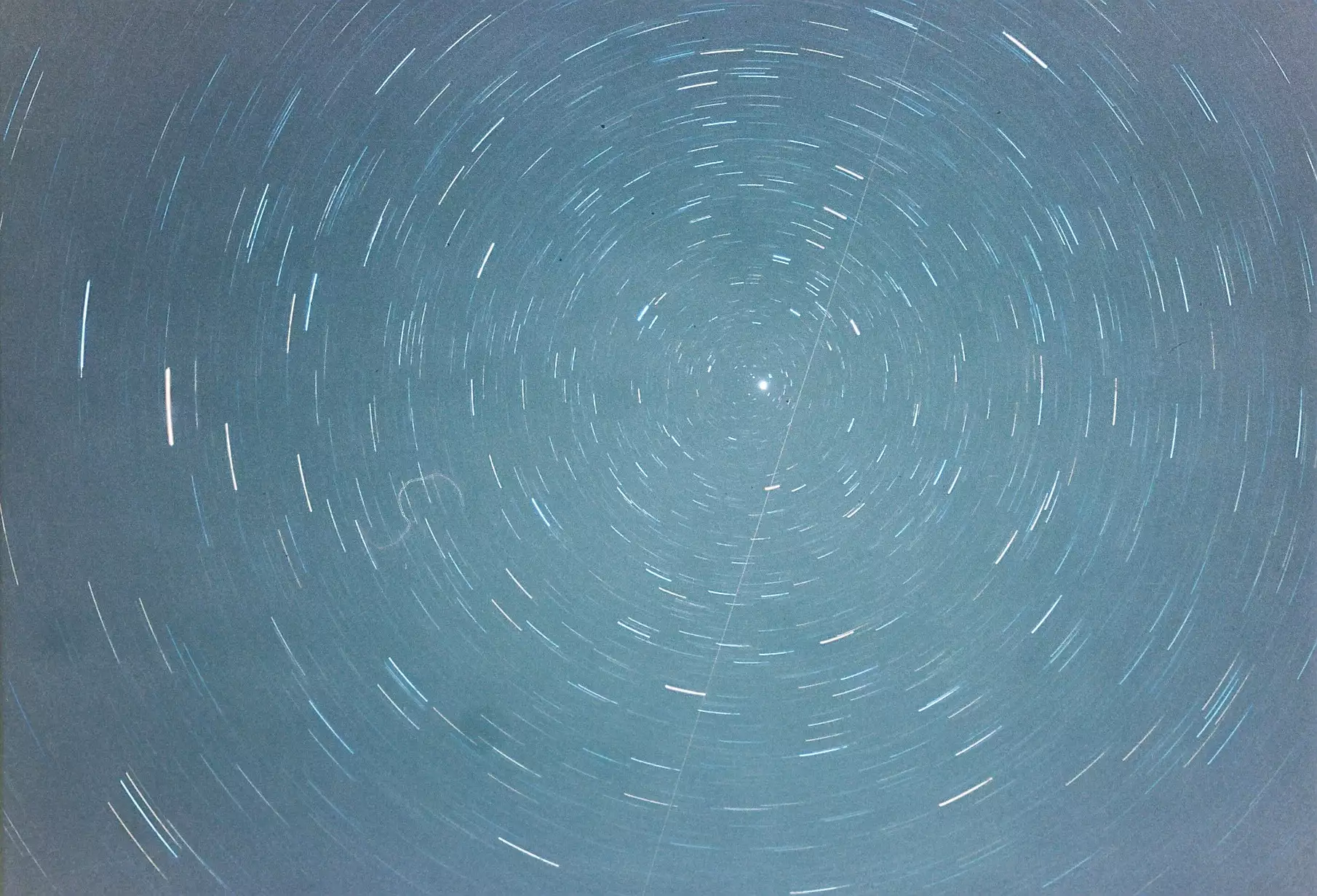
Star Trails
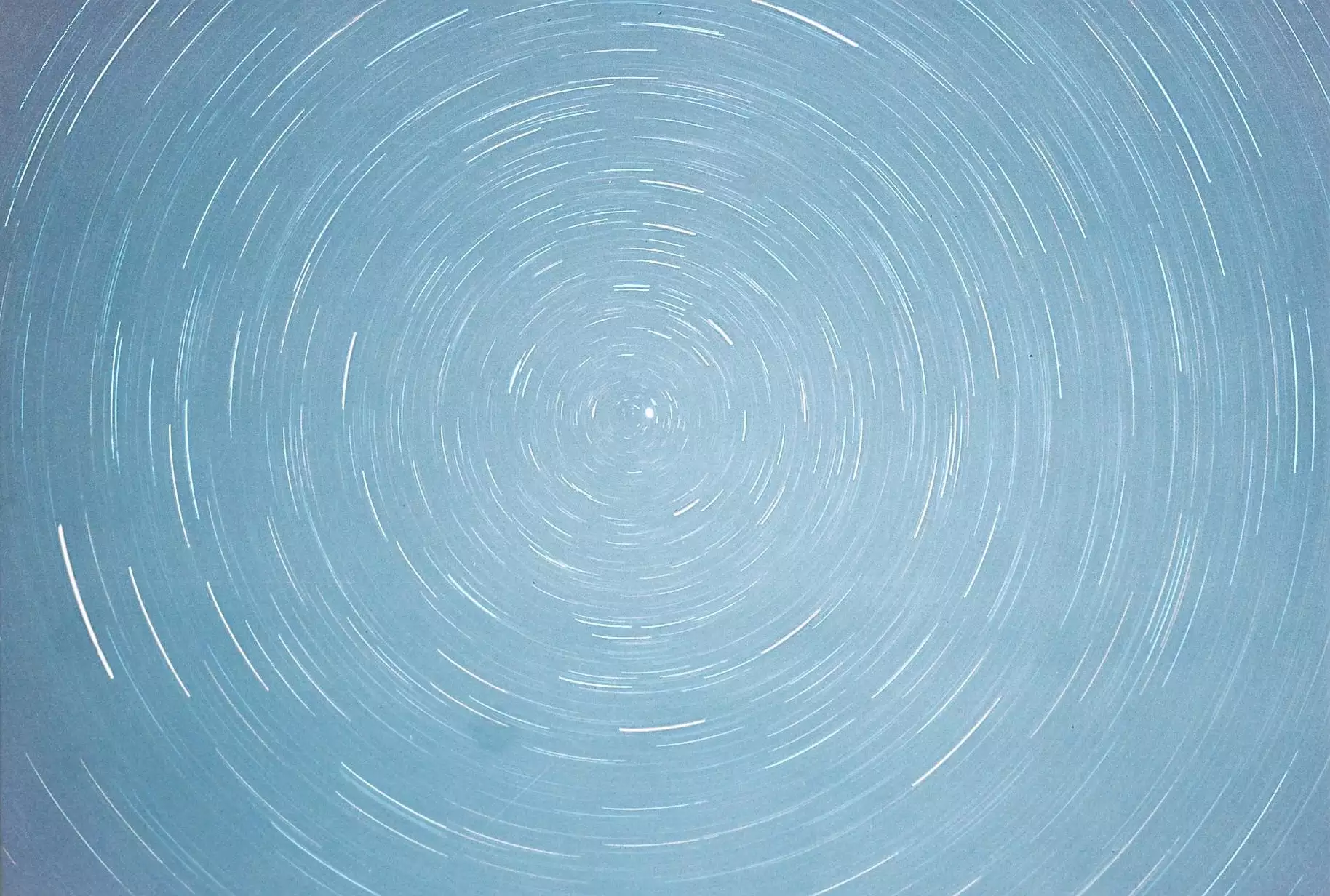
“Dwell on the beauty of life. Watch the stars, and see yourself running with them.” ― Marcus Aurelius, Meditations
I can’t remember when I first got aware of the Milky Way and the sheer unimaginable amount of stars in it but there is this hazy image i have as a kid, when i was in a small harbor village in Turkey during a vacation. My mother and I were on a small street promenade with street vendors. She went ahead and looked at some wares from one of the street vendors. I walked to the street border and looked to the sea. My eyes landed on a small pumpkin field near the shore. It was a curious sight for me because at that time I only knew big pumpkins from movies. After a while, a local approached me but i didn’t understand him. He gesticulated towards the sky. I looked up and there were some shooting stars. The local was happy that i saw it and we looked towards the milky way together in hope to see more.
In retrospect, this was one of the very few moments where I was able to look upon the stars without much light pollution. Caused by artificial lighting from cities and towns, light pollution is a major reason why most people today rarely see the true night sky. According to the International Dark-Sky Association, more than 80% of the world’s population lives under light-polluted skies, and in Europe and the US, that number is closer to 99%.1 If I think about it, it is sad that so much time went by until i saw it again and in general that there was only very few moments to begin with. The last time i saw the milky way was in August 2007 in the black forest. A friend of mine lived in an ecofriendly house with a grassy/mossy roof and we lay down on that roof to just gaze upon the stars. It is weird if you can’t make out the familiar constellations because of the sheer numbers of stars until you just totally immerse. Looking at the stars has something mysterious, beautiful and awe-inspiring in it. The vast infinity with the silent twinkling lights puts me back into a ground level where i don’t take myself so serious anymore. It’s humbling to remember that the elements in our bodies were forged in the cores of ancient stars. We are made of stardust, as Carl Sagan famously said. Nevertheless, I think every stargazer asks the same questions: What is out there? Why are we here? Will we ever visit other planets and stars?
This year, I wanted to capture this moment but these days it is really difficult to find a place where the light pollution is small enough to see enough stars. And could I capture it at all? I knew the pictures of star trails and there are some photographers who really make beautiful pictures with analog film, however I wasn’t so sure that I could do it. This year I decided to give it a try to capture the Milky Way and the Perseid Meteors, one of the most active and brightest meteor showers every year in August. The Perseids are caused by Earth passing through the debris left by Comet Swift-Tuttle. The shower peaks around August 12th each year, with rates of up to 100 meteors per hour under ideal conditions. Not far away from Berlin is the Naturpark Westhavelland, which is one of the few places in Germany with optimal stargazing conditions. It is protected as a Dark Sky Reserve by the International Dark Sky Association. Together with a friend, we went to the official stargazing place in Nennhausen to watch the Perseids.
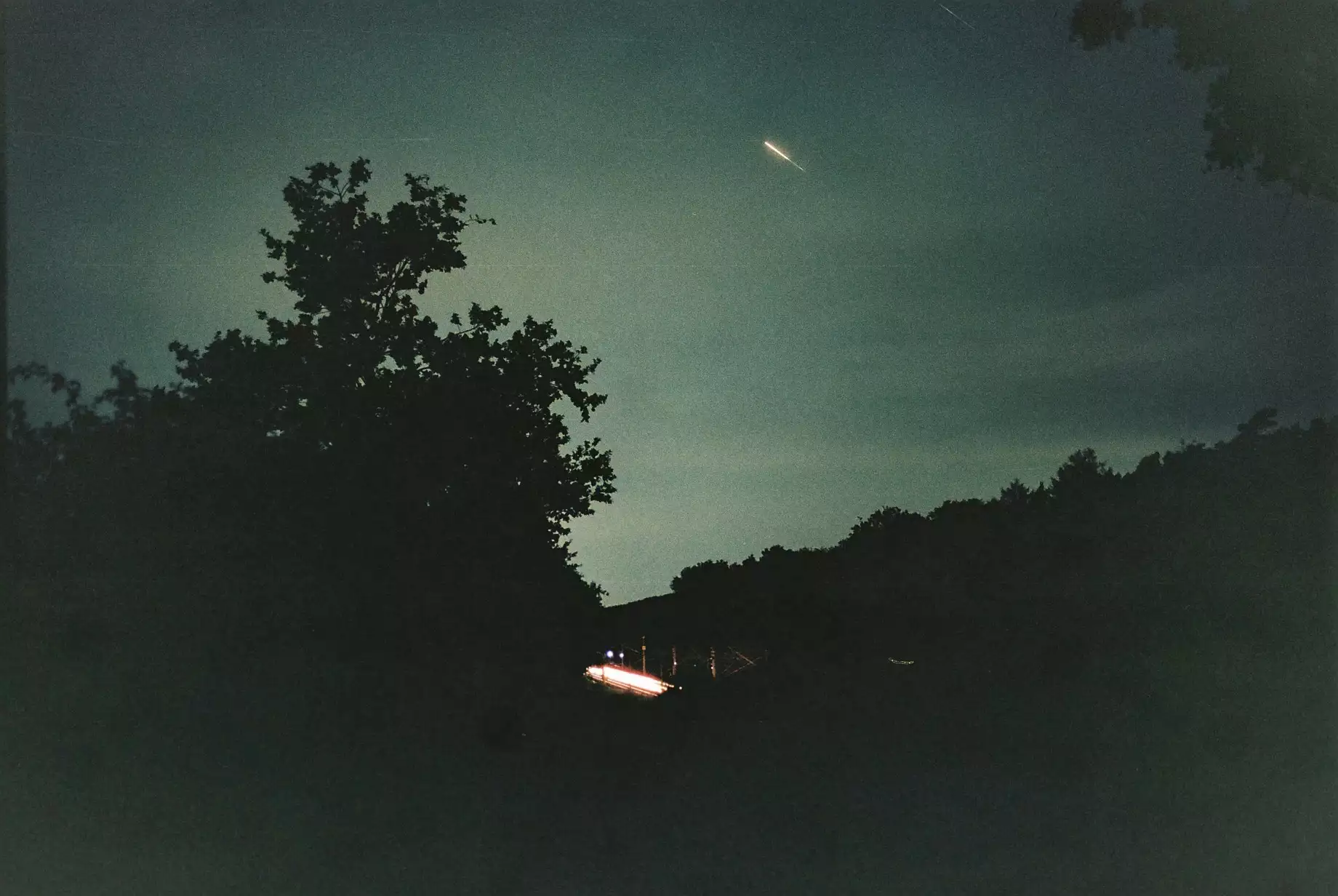
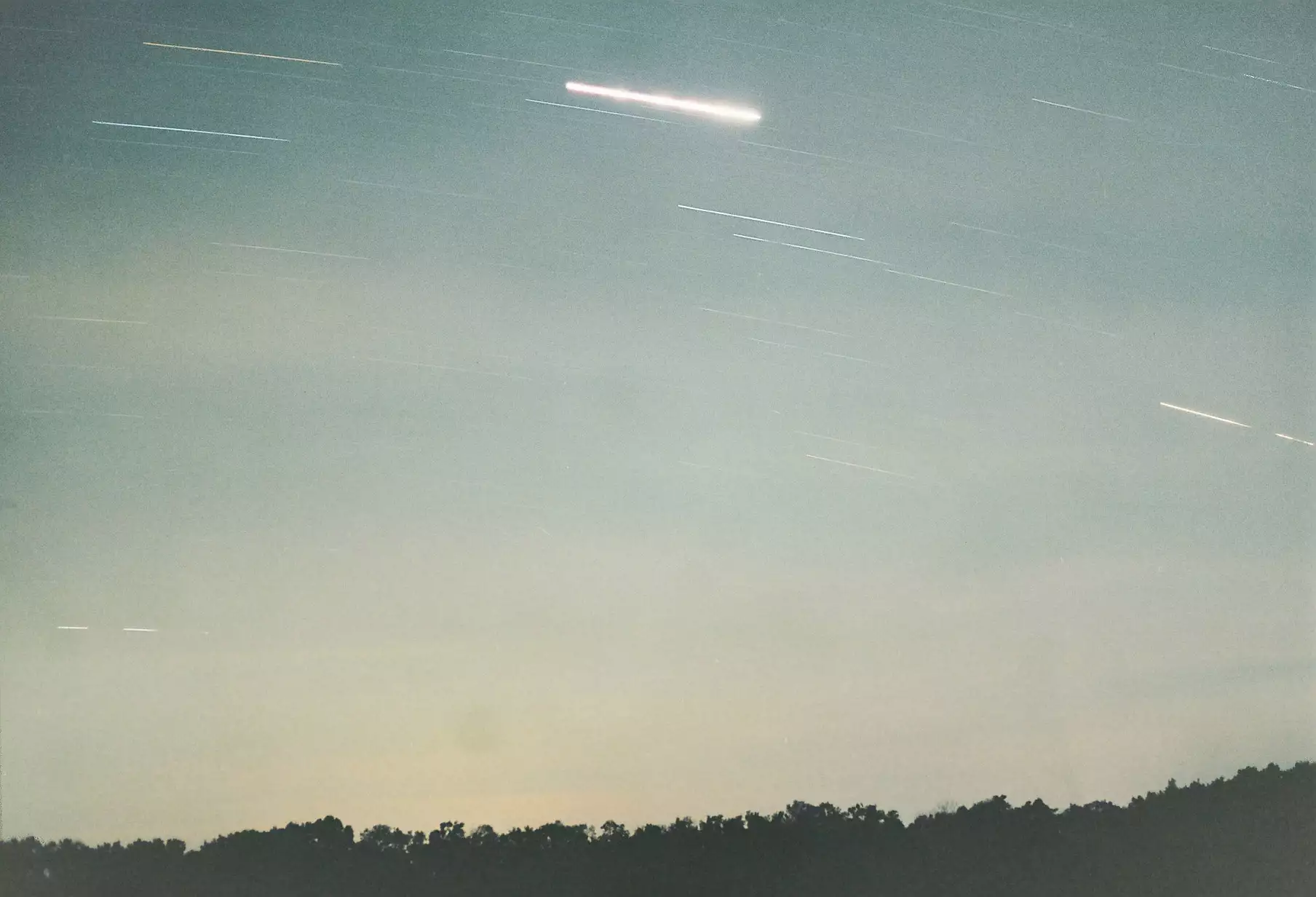
The observation place in Nennhausen near the train track. The bright trail is a bolide.
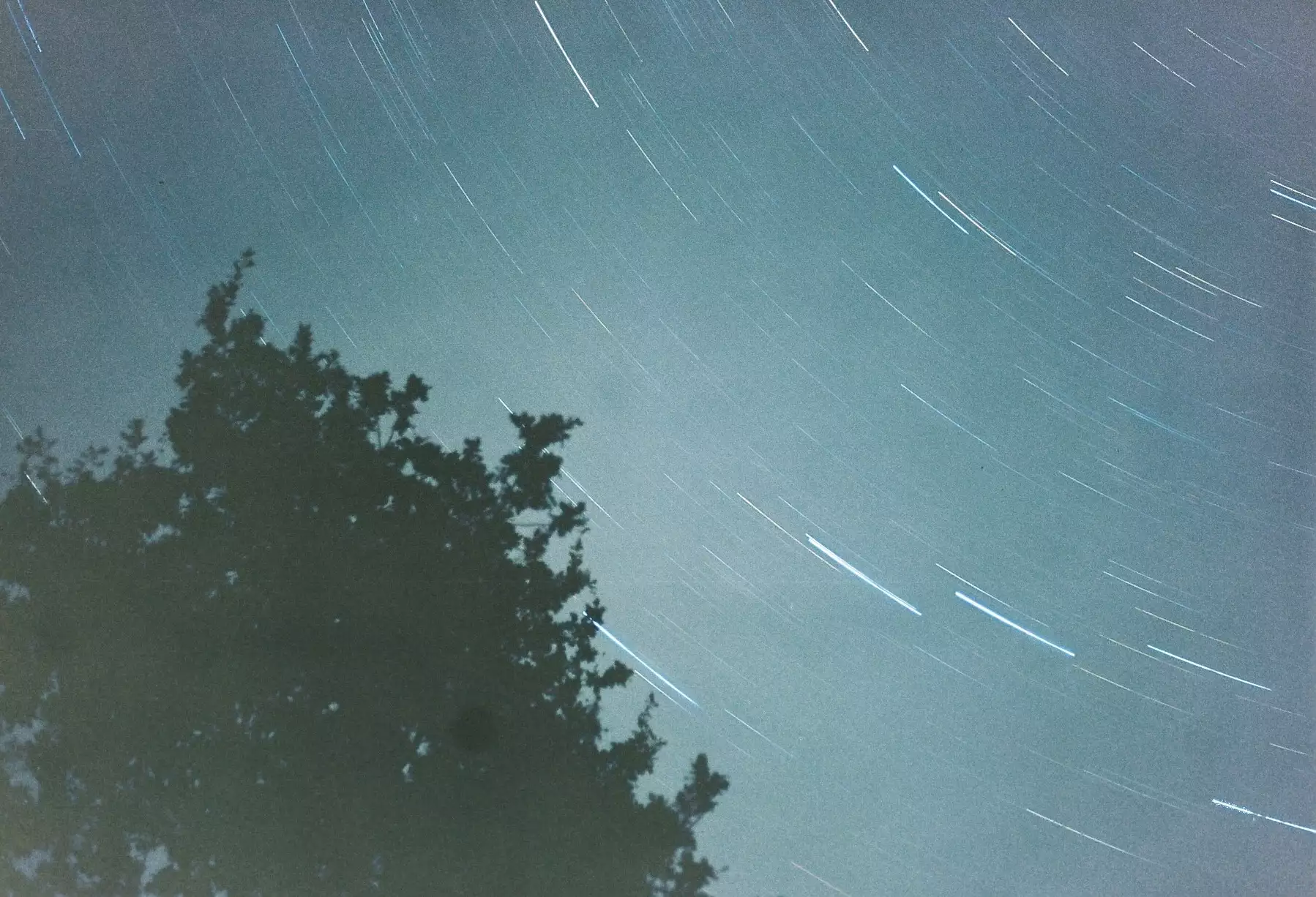
Interestingly, the movement of the star trails define in which direction away from north the picture was taken. In this case it was in the west
There were some things i had to take into consideration:
- Reciprocity Failure: each film has a different value and some are better suited for low light than others. Reciprocity failure, also known as the Schwarzschild effect, occurs when film is exposed to low light for long periods. The film’s sensitivity decreases, so longer exposures are needed than the standard exposure tables suggest. Some modern films, like Fuji Acros, are known for their excellent reciprocity characteristics.
- Speed of film: A higher speed film (400 ISO minimum) is needed for pictures of the Milky Way, a lower speed film is better for long exposures for star trails. High ISO films are more sensitive to light, allowing you to capture fainter stars, but they also tend to have more grain. For star trails, lower ISO films can be used because the long exposure will gather enough light, and the lower grain can result in smoother images.
- a fast lens. I took my 50mm Auto Revuenon lens which has an aperture of 1.9, so more light could be caught
- number of cameras: there are not many opportunities for change with long exposures of over 1 hour
- the phase of the moon: luckily the new moon was not long ago and the moon vanished really fast. Otherwise the brightness of the moon would have outshined everything else. The best stargazing and astrophotography is done during the new moon, when the sky is darkest.
- weather: A clear night with low humidity would be optimal. We had still some clouds but most of the time we were lucky. Clouds change the appearance of star trails and most likely appear as irregular dotted lines rather then straight lines
In the end I decided to try two cameras. One Polaroid camera and my Exakta camera with a Kodak Ektar 100 film (the other option would have been an Ilford Delta 3200 film, but I wanted color). I don’t have an expensive star tracking system or special equipment, so I thought star trails would be a better beginner approach. I exposed for 1:30 to 2:00 hours. For reference, the Earth rotates 15 degrees per hour, so during a two-hour exposure, stars will create arcs of 30 degrees across the sky. Star trail photography is a great way to visualize the rotation of our planet. Unfortunately, the polaroids became just blanks. On one is a small star trail streak but nothing else. I was afraid the pictures from the Kodak film would be blanks as well, but I was really surprised how good they were.
I think I will try with Ilford Delta 3200 next for just Milky Way pictures as the black and white film has very high sensitivity, making it suitable for low-light and astrophotography, though it can be quite grainy. On the other hand, there is the Draconid Meteor Shower on the night from 8th to 9th October. Hm, we will see…
Here is the movement in south of Polaris. The brightest trail is Jupiter.