A Day in Eberswalde / Finow: Water Towers, Brass, and Faded Memories
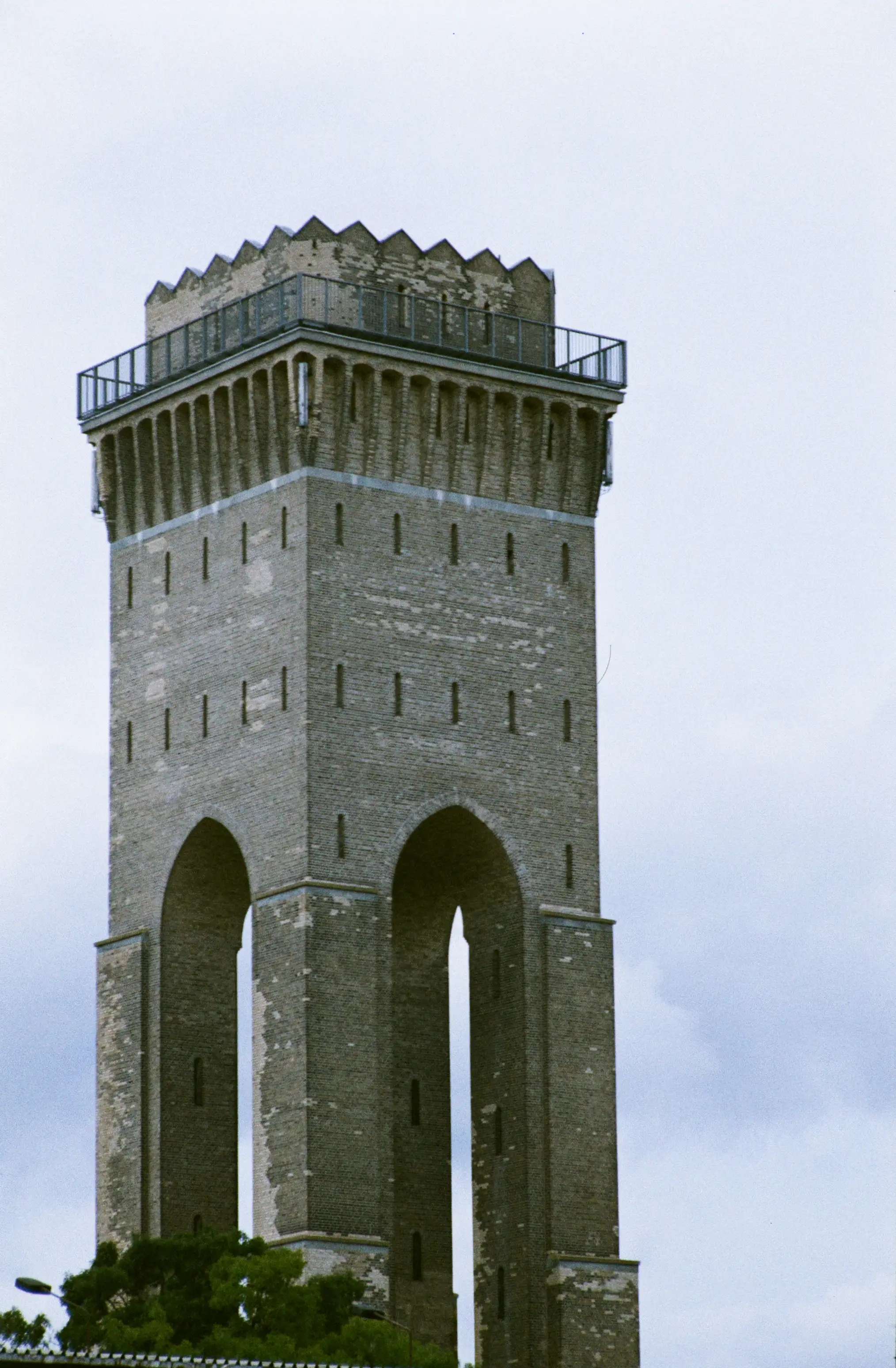
In the beginning of August, I made a day trip to Eberswalde with the goal of visiting the Finower Wasserturm. I’d never visited the city before - or at least, I thought so. As I wandered the streets of Finow, I had strange flickers of memory: a trip in an old Wartburg, a pause at a snack stand, cloudy weather, old patterns on buildings… just fleeting images without substance. Maybe it was another town, or maybe my memories got mixed up. Whatever it was, it stirred my imagination. Maybe it was the sometimes eerie atmosphere of abandoned industrial places scattered throughout the town.1
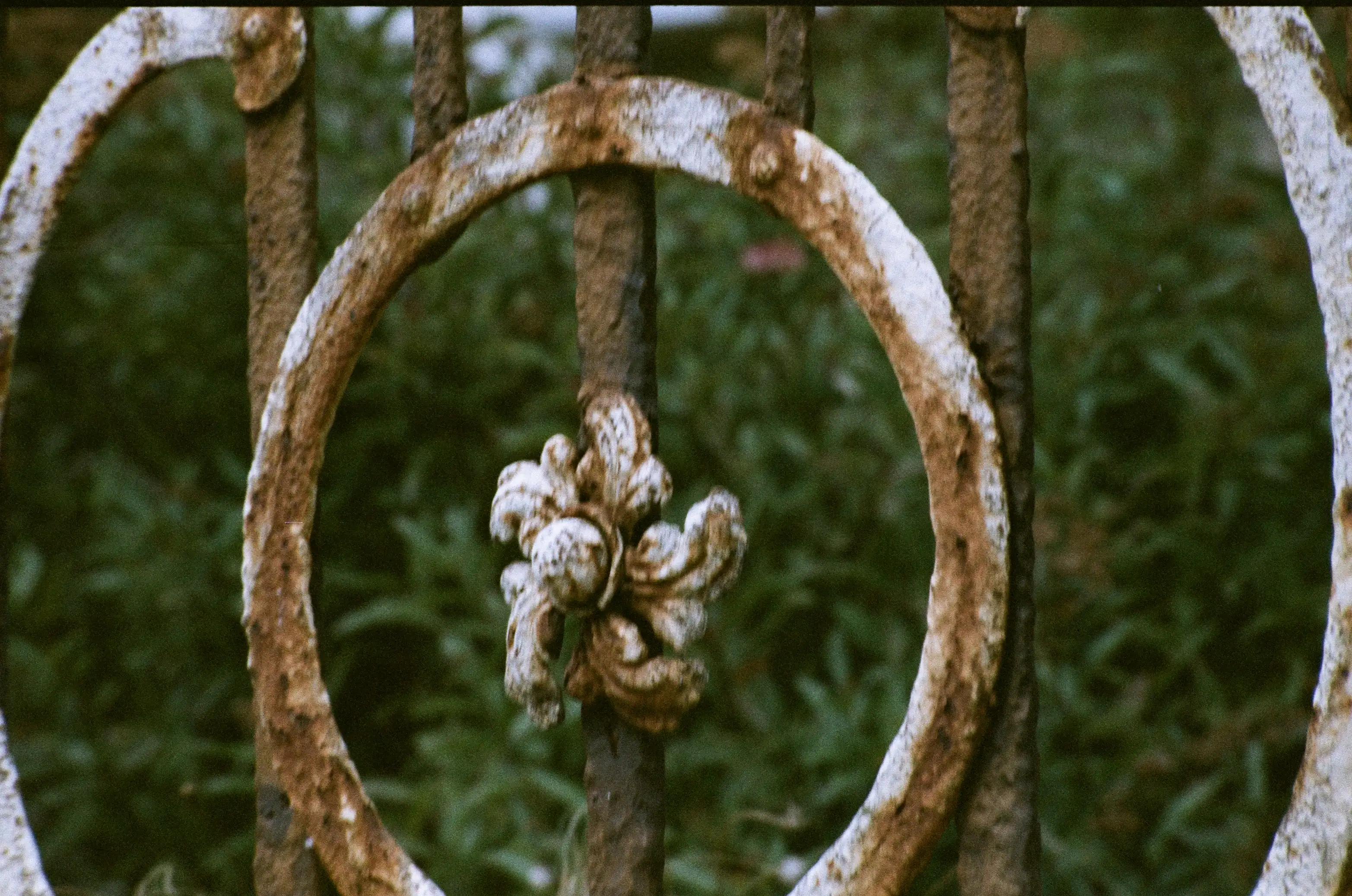
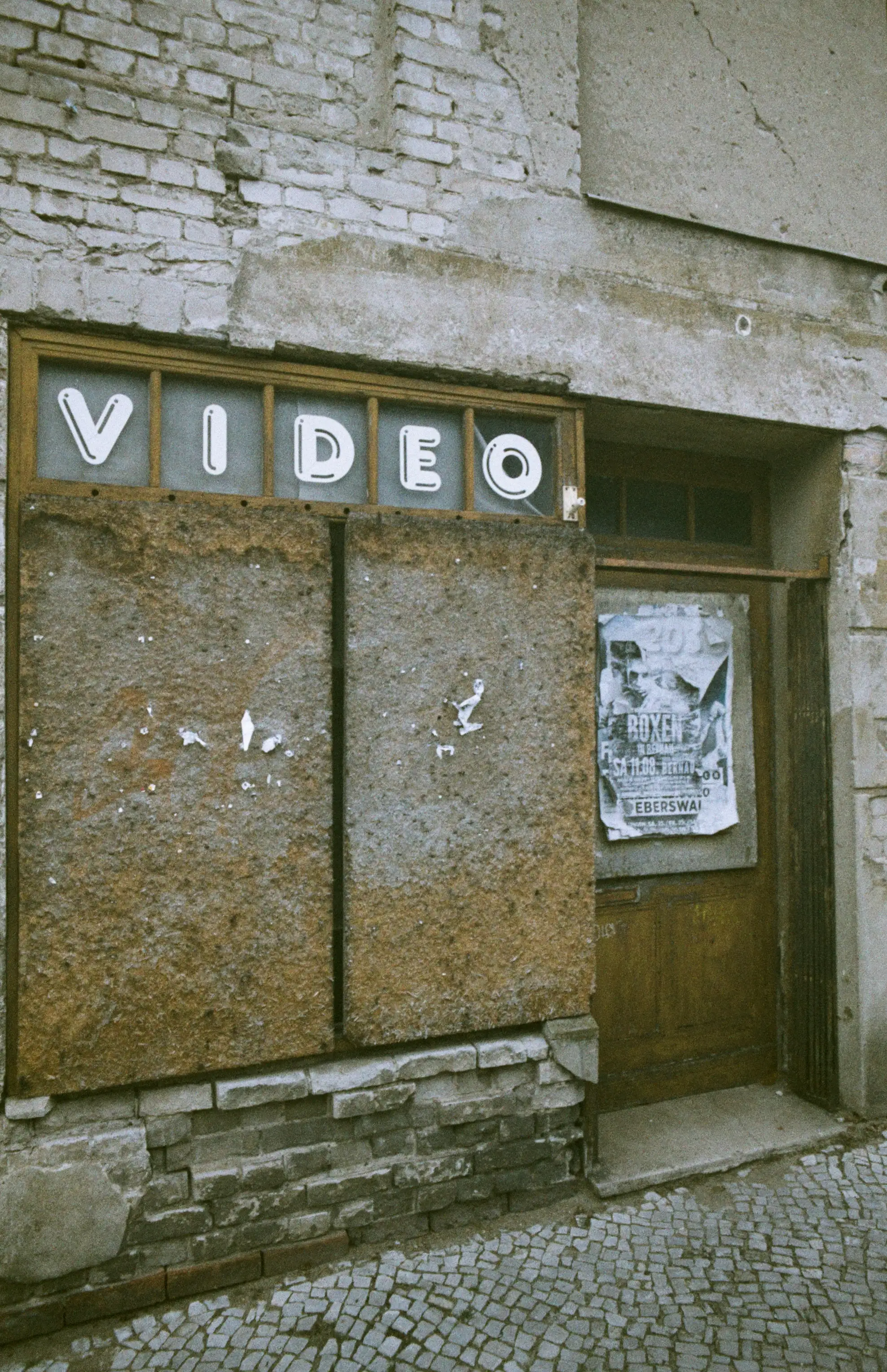
Eberswalde itself has a long industrial history, and you can feel it everywhere- old brick buildings, overgrown lots, and the quiet presence of the Finow Canal winding through the city.
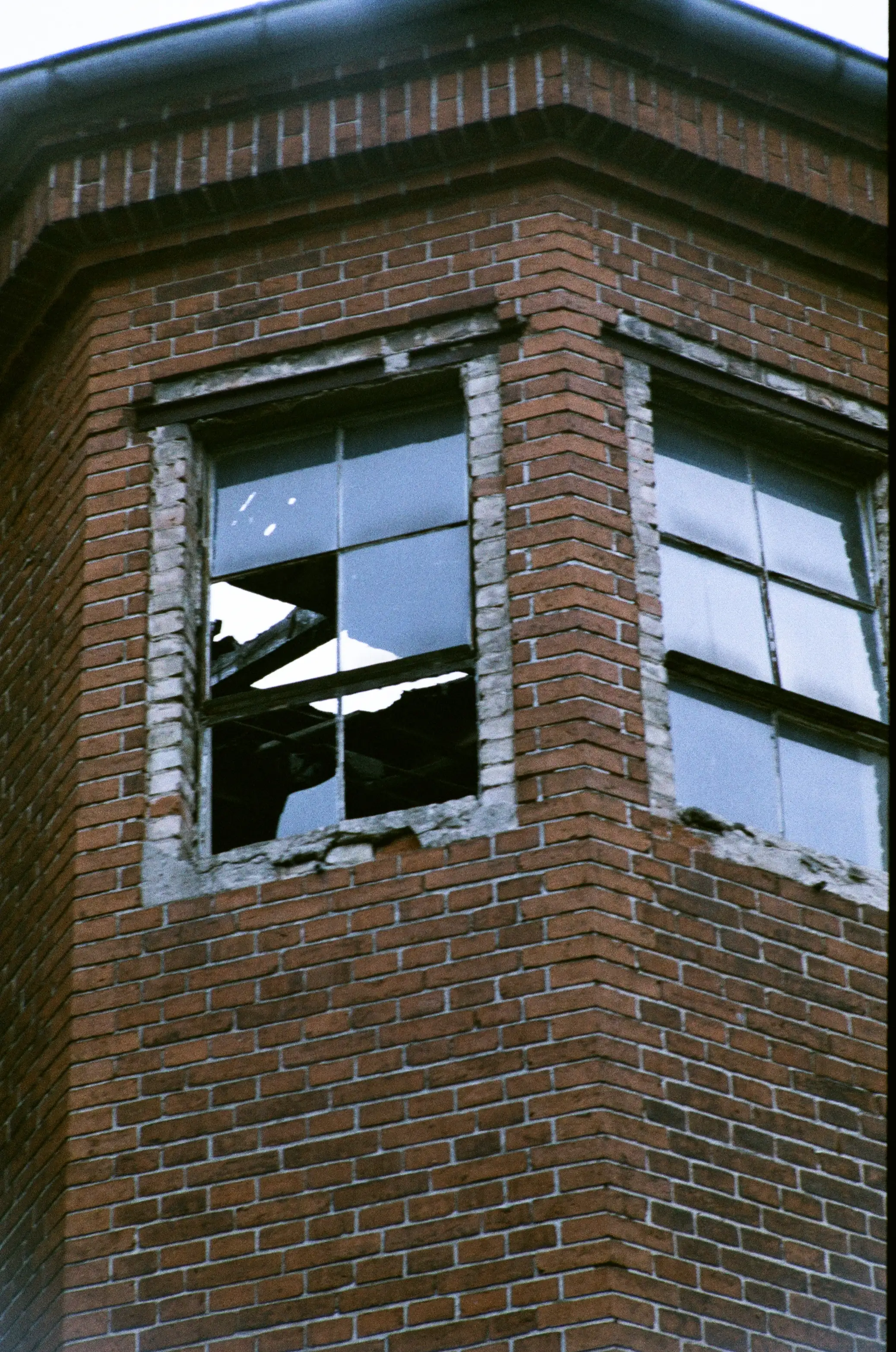
The power plant really caught my attention when I first saw it - an astonishing view from across the canal. The massive brick structure, with its tall smokestacks and rows of arched windows, stands as a monument to another era. Sadly, the future of the building seems very unclear.2 I read that there have been several attempts to find a new use for it, but so far nothing has worked out. It’s a bit sad to see such an impressive building slowly decaying.
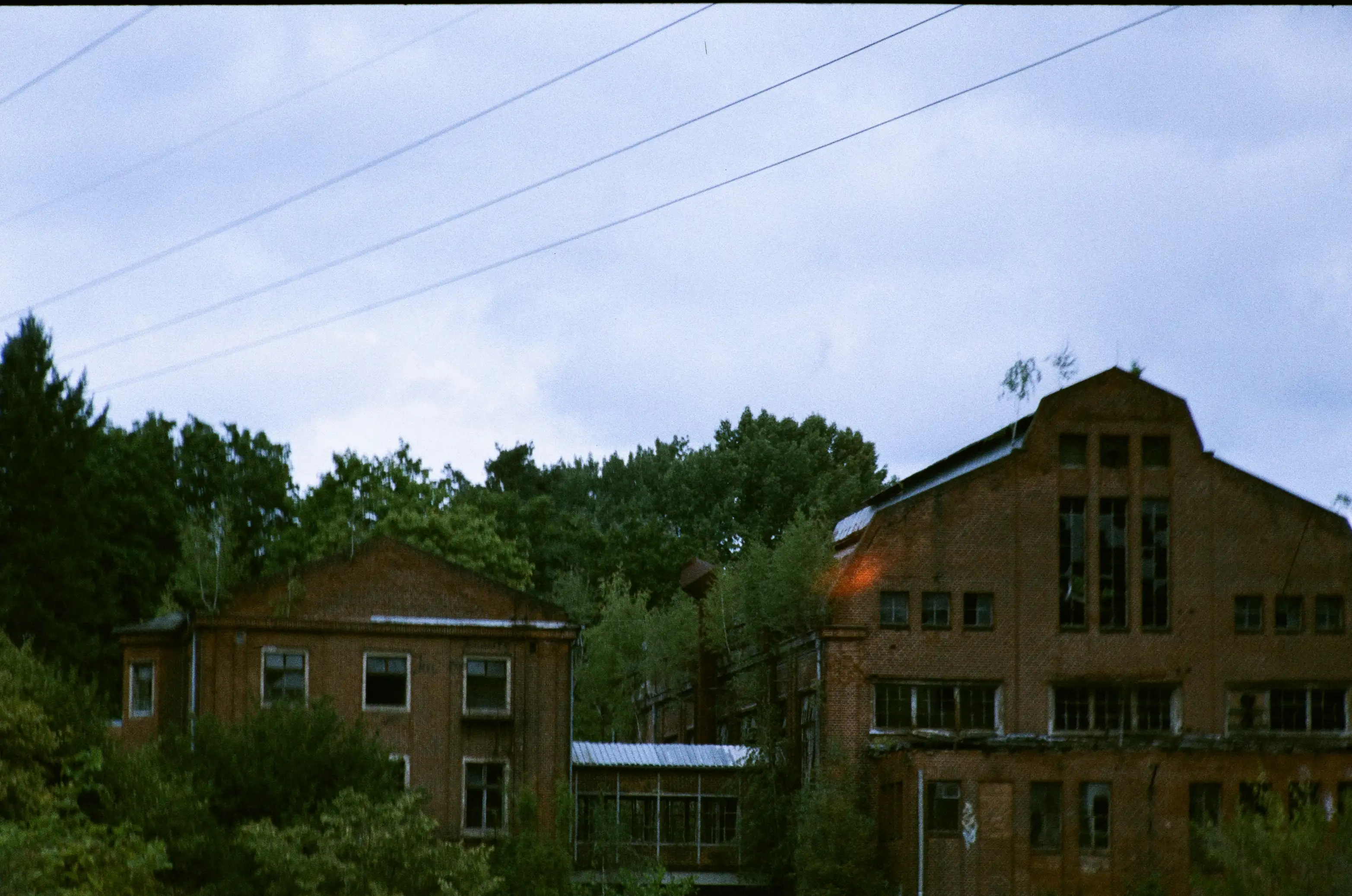

With so many places to explore, the water tower became more interesting by the minute. “Maybe with the view from the top, I could spot some other places to check out?” I thought. I used OpenStreetMap to guide me along some hidden paths - narrow trails through patches of wild grass, past old fences and the occasional graffiti-covered wall - across the canal, and I finally reached the tower.
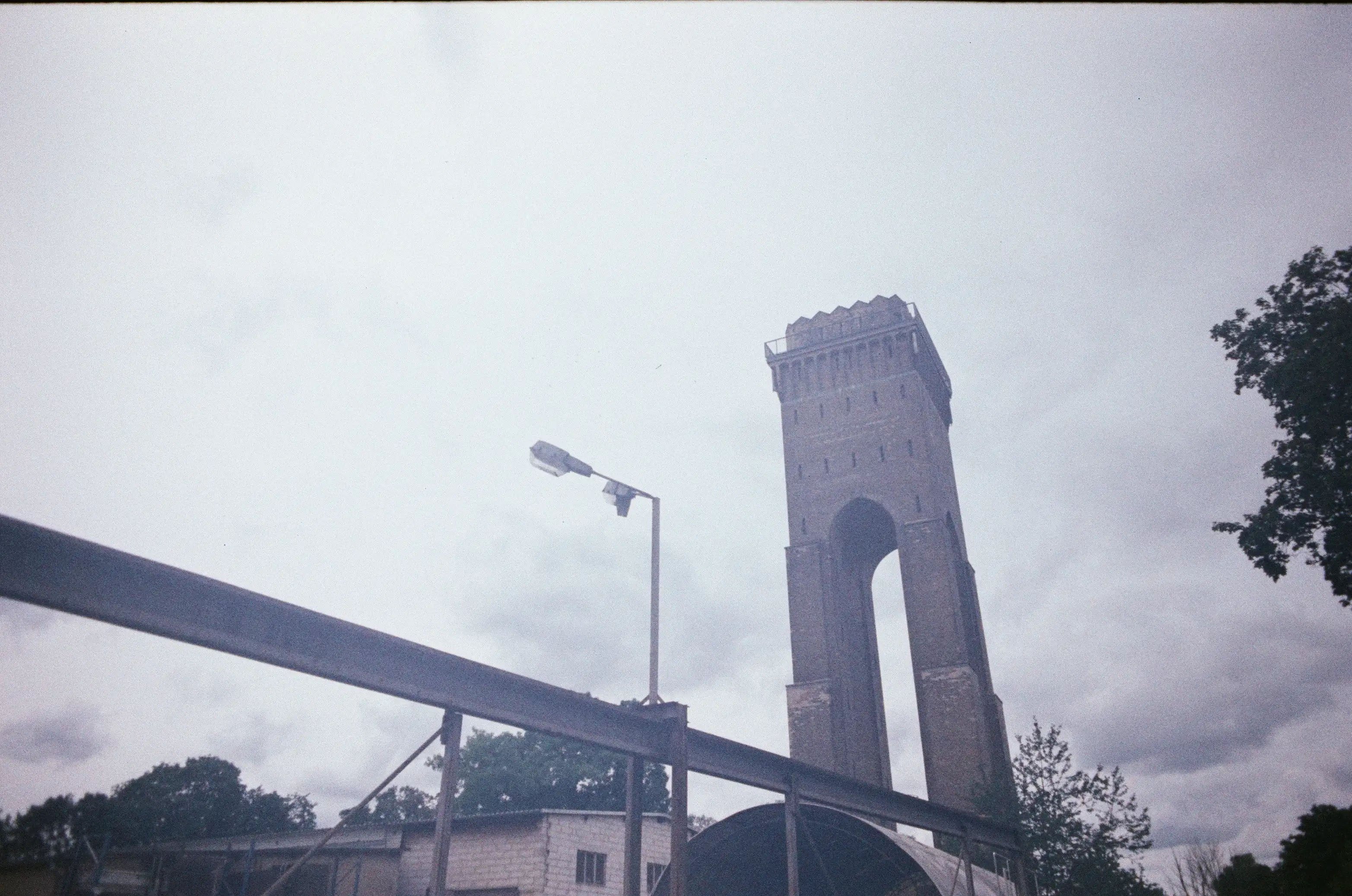
The tower is not only a landmark, it also has an interesting history: built in 1917–1918, the water tower was designed by architect Paul Mebes for the local brass factory. The commission came from the Jewish industrialist family Hirsch, who had bought the brass factory in 1863 for 100,000 Taler. The family modernized the factory and significantly improved the living conditions of up to 2,400 employees with a factory housing estate and a school. There was also an industrial estate that supplied food for the workers, and a recreation home near Werbellinsee was built.
From 1916 to 1920, the Hirschs had the Neuwerk brass factory built. It was the largest and most efficient brass factory in Europe at the time, and it needed the water tower. In 1906, seeking capital, they turned the family business into a joint-stock company. In 1929, the company was hit by the world economic crisis, and as a result, the Hirschs resigned from the board in 1932. One year later, they had to flee to Palestine to escape the Nazis.3
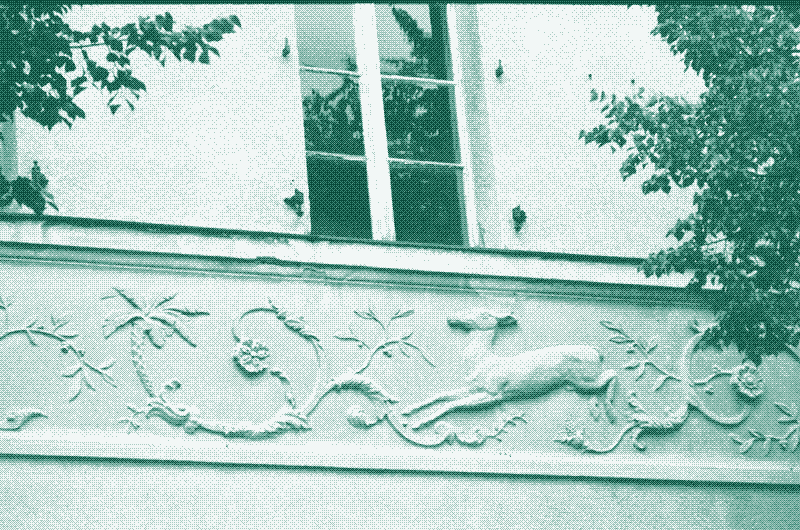
The relief from the Hirsch villa. I was suprised that the Nazis didn’t erased it.
From 1935 onwards, the Finow water tower supplied water not only to the company - now called Finower Kupfer- und Messingwerke AG - but also to the town of Finow, which was formed in 1928 from the municipality of Heegermühle and the brass factory settlement.4 In 1974, it was decommissioned as a water tower due to frost damage in the pipelines.5
The tower itself is an impressive structure - about 40 meters tall, with a round brick shaft and a domed roof. Inside, a spiral staircase leads up past old machinery and a small exhibition about the history of the factory and the Hirsch family. From the top, you get a panoramic view over the canal, the old industrial sites, and the green patches that have reclaimed parts of the area. On a clear day, you can see all the way to the edge of the Schorfheide forest.
It’s nice to see that the Förderverein Finower Wasserturm und sein Umfeld e.V. successfully restored the tower so it can be open to the public. I discovered some interesting tidbits in the exhibition inside the tower.6 For example, there are old photographs of the workers’ housing, original blueprints of the water tower, and even some personal items donated by descendants of the Hirsch family. The view from the top is also really impressive.
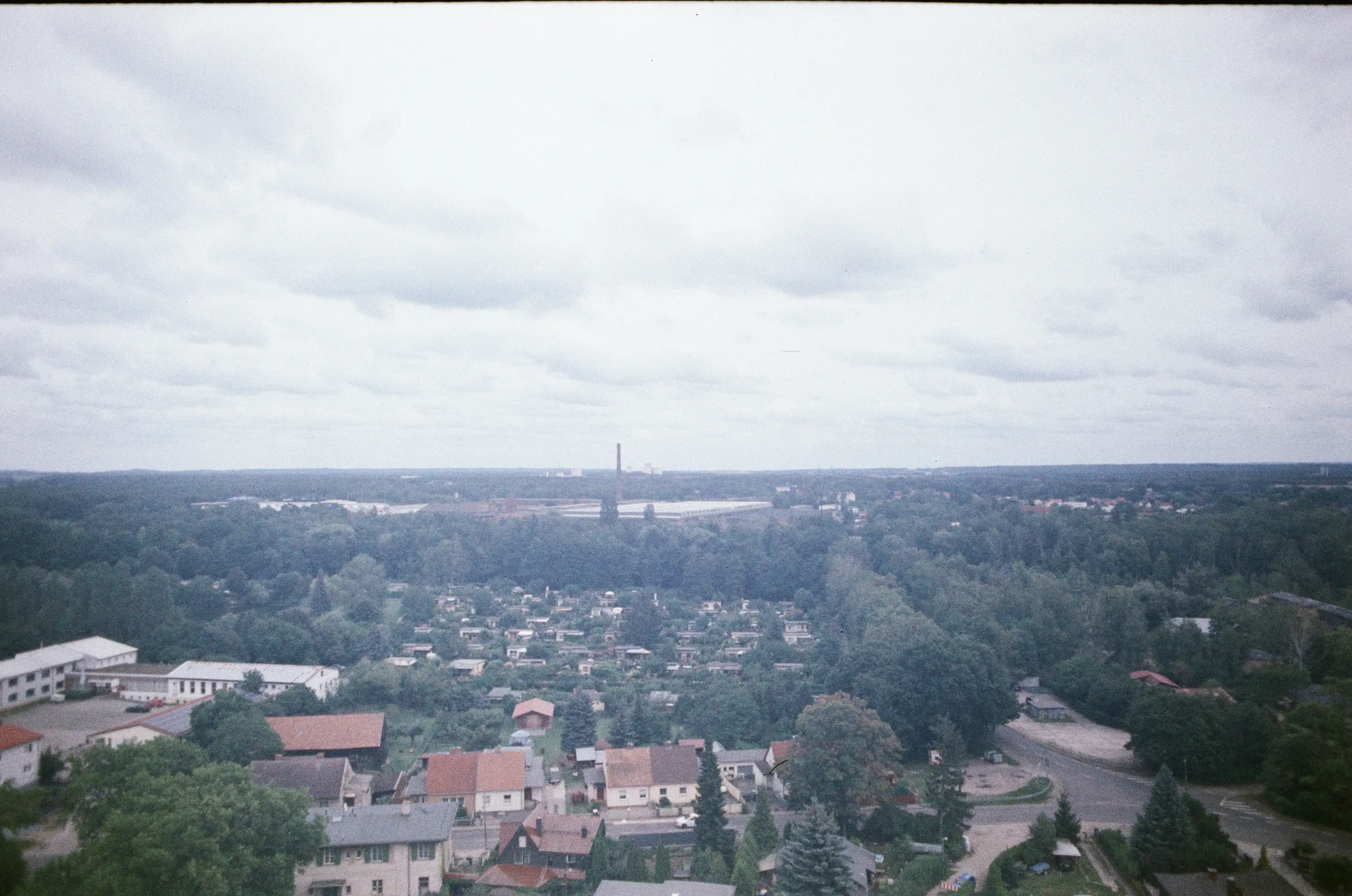
On the upper left the Neuwerk brass factory is visible. In the lower part are some Kupferhäuser from the model settlement
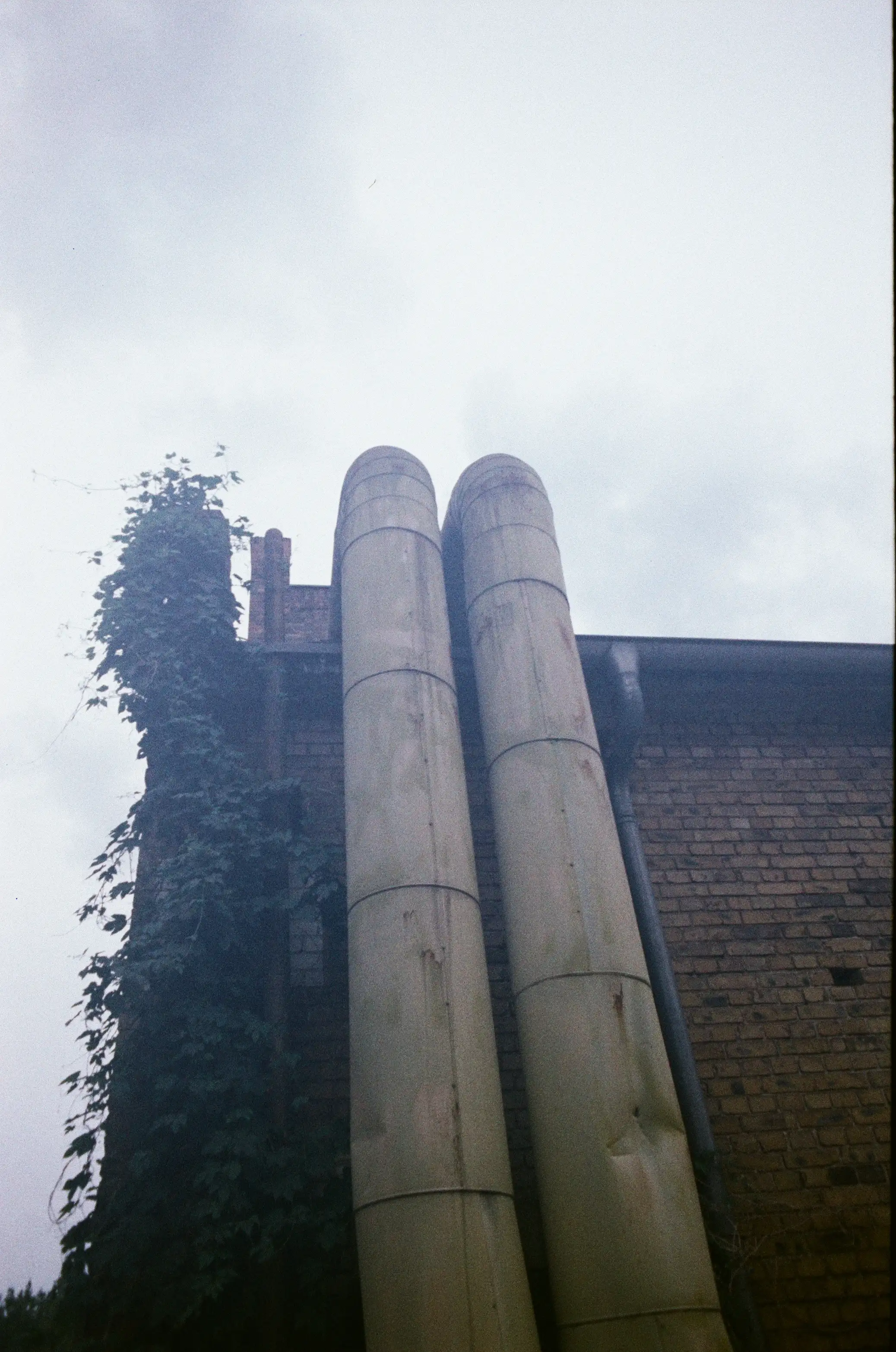
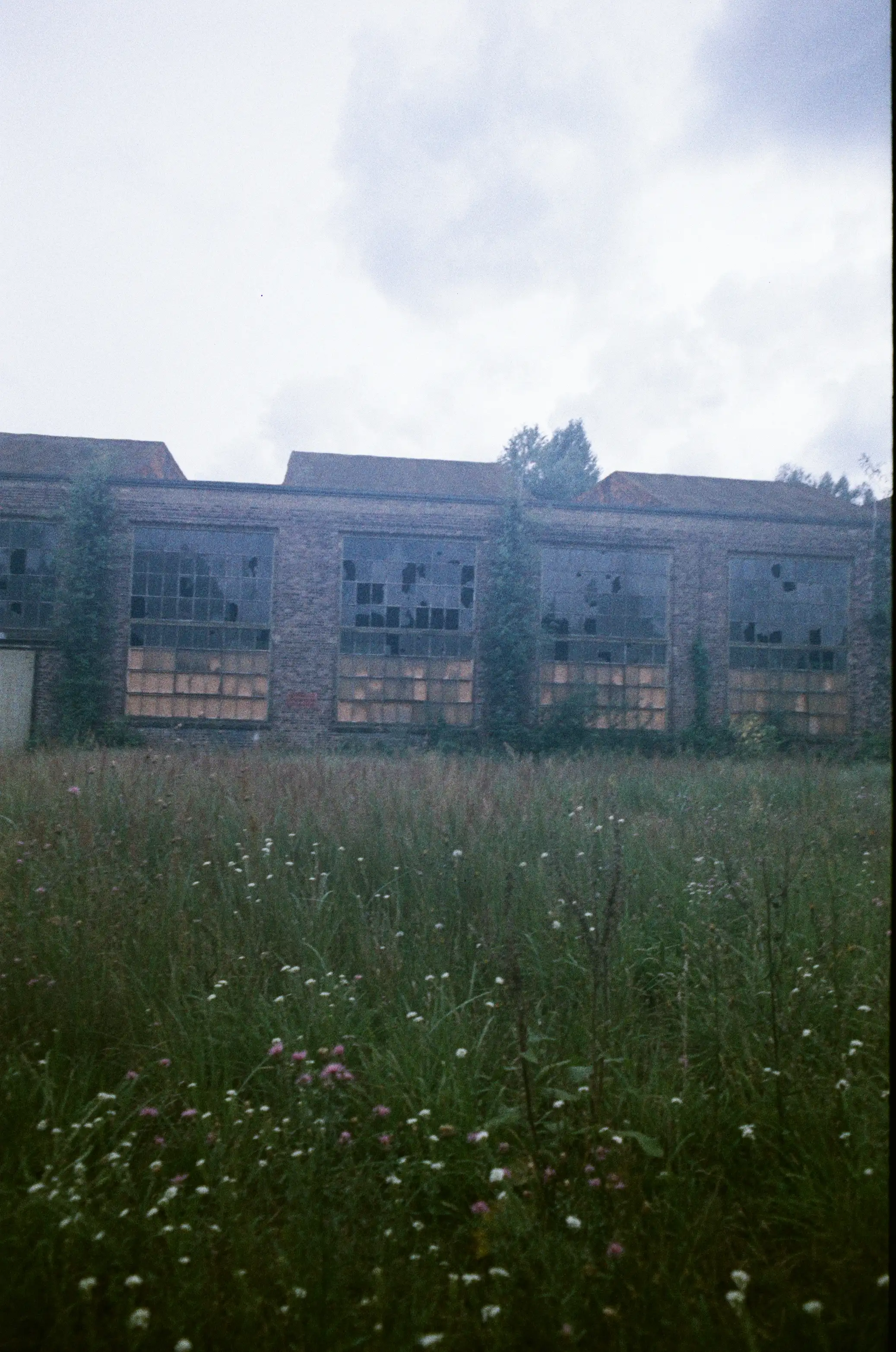
I walked back along the other side of the canal to check out the old brass factory and the power plant (at least as close as possible without trespassing). The factory grounds are mostly fenced off, but you can still see the ornate facades and the remains of the old loading docks. The power plant, with its broken windows and rusting metal, is both beautiful and a little haunting.
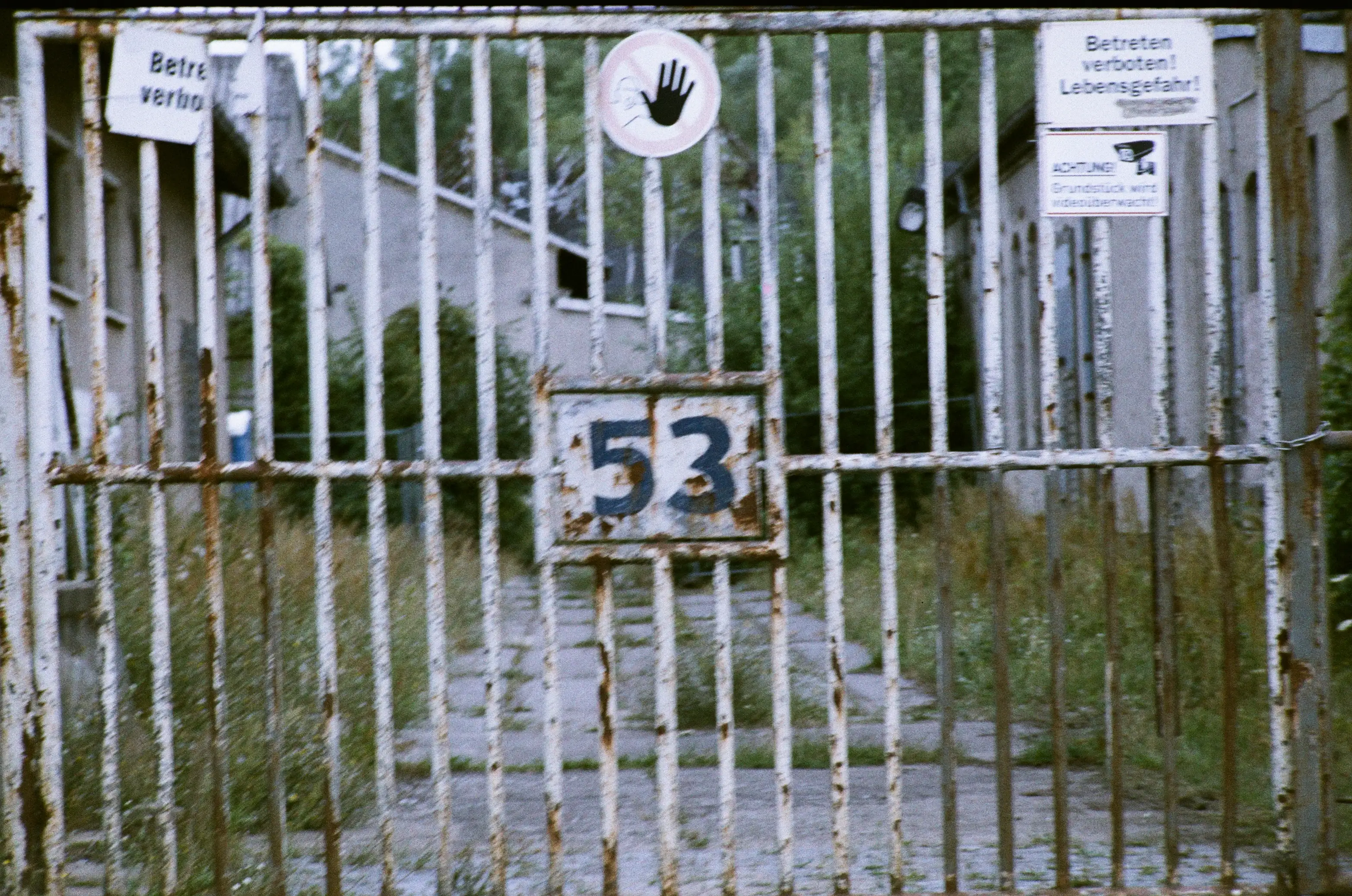
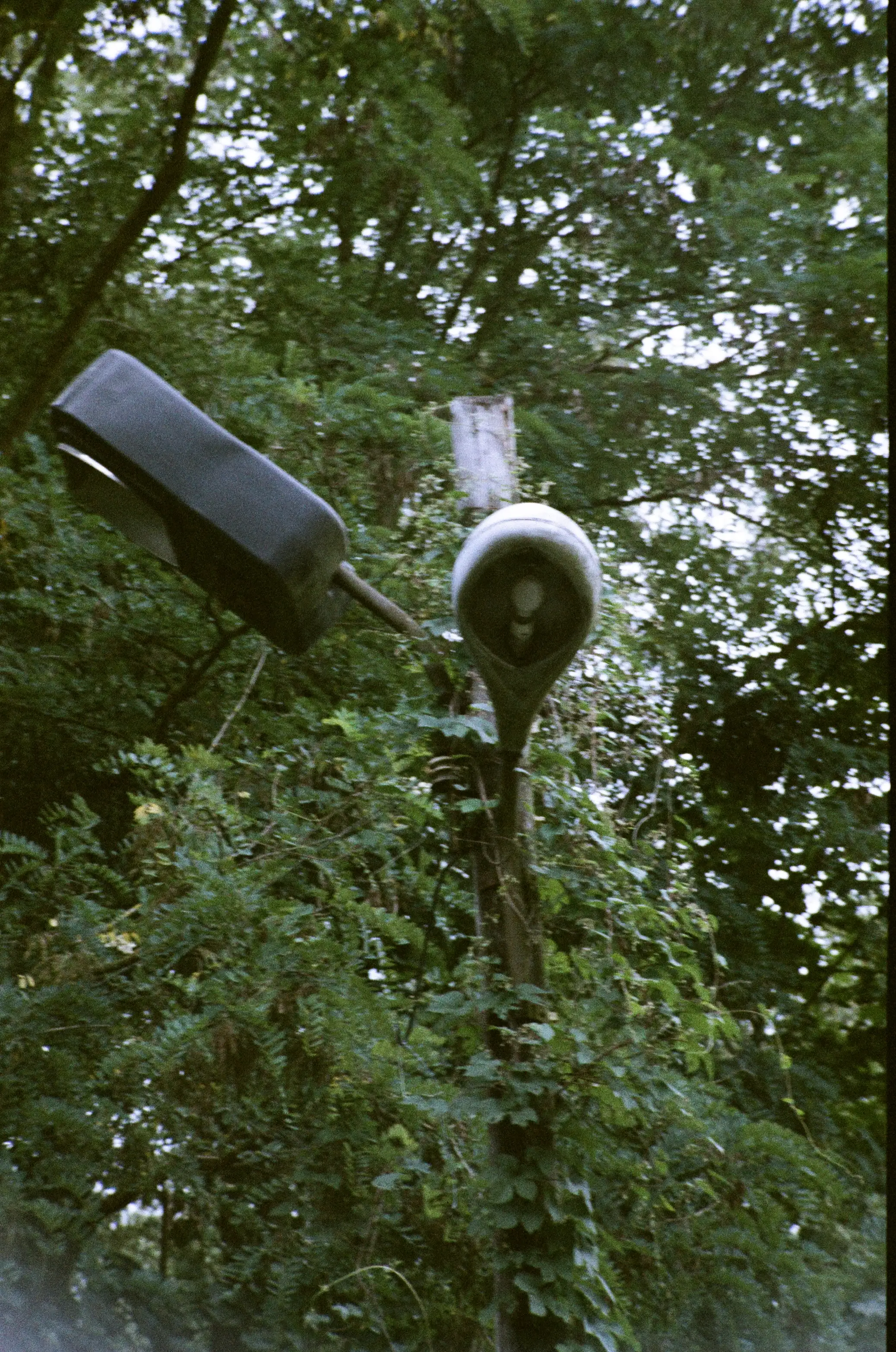
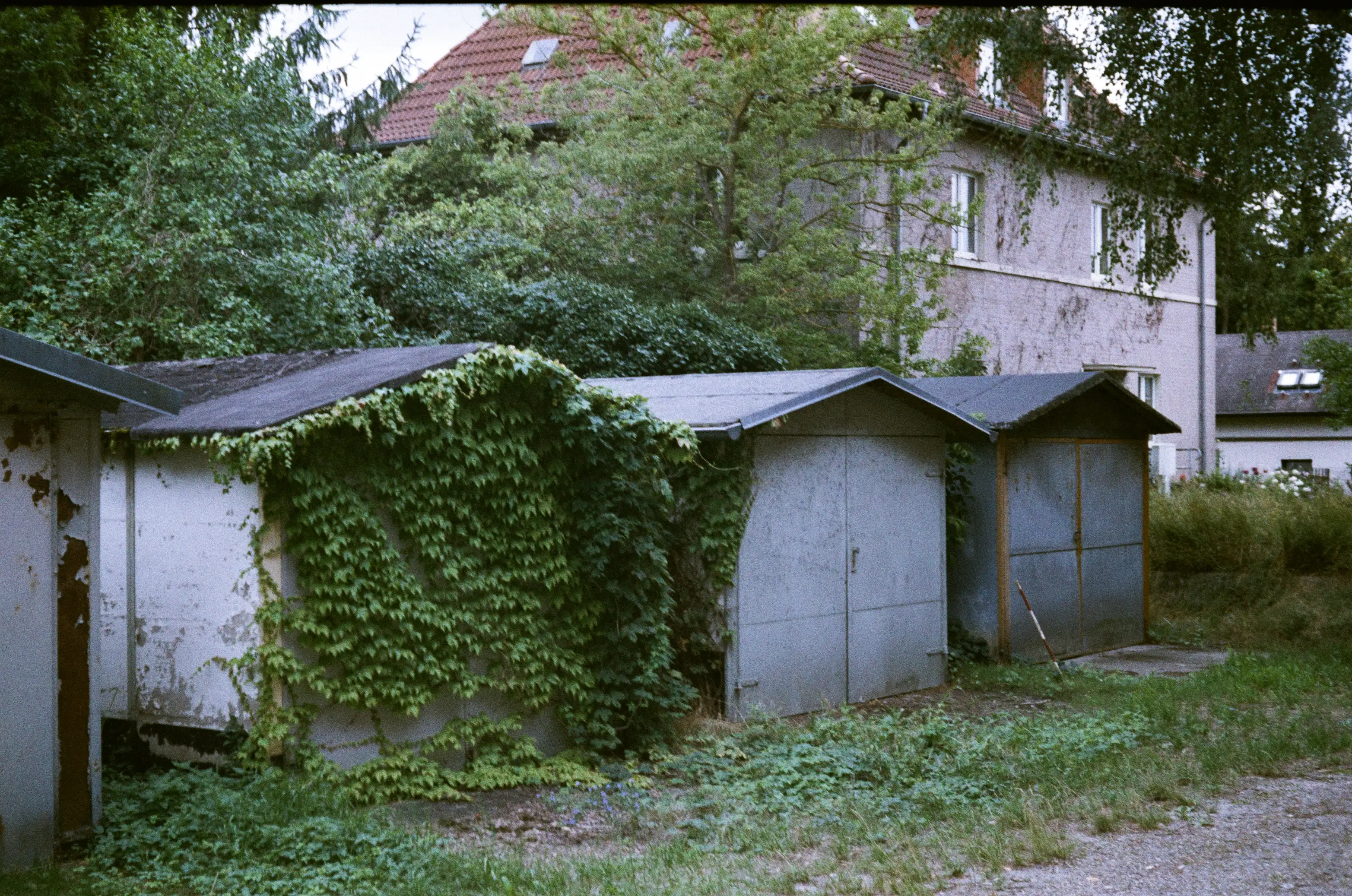
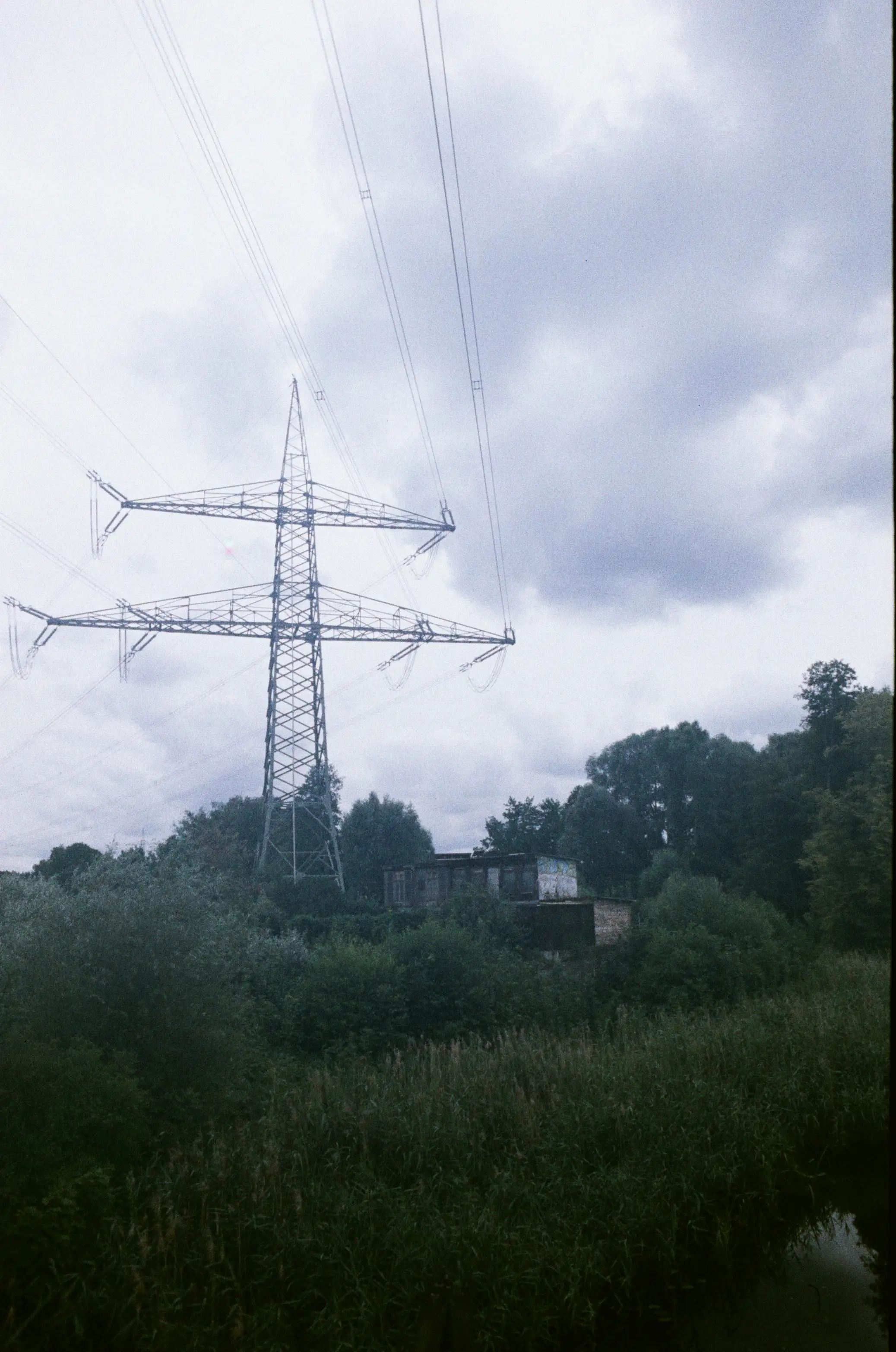
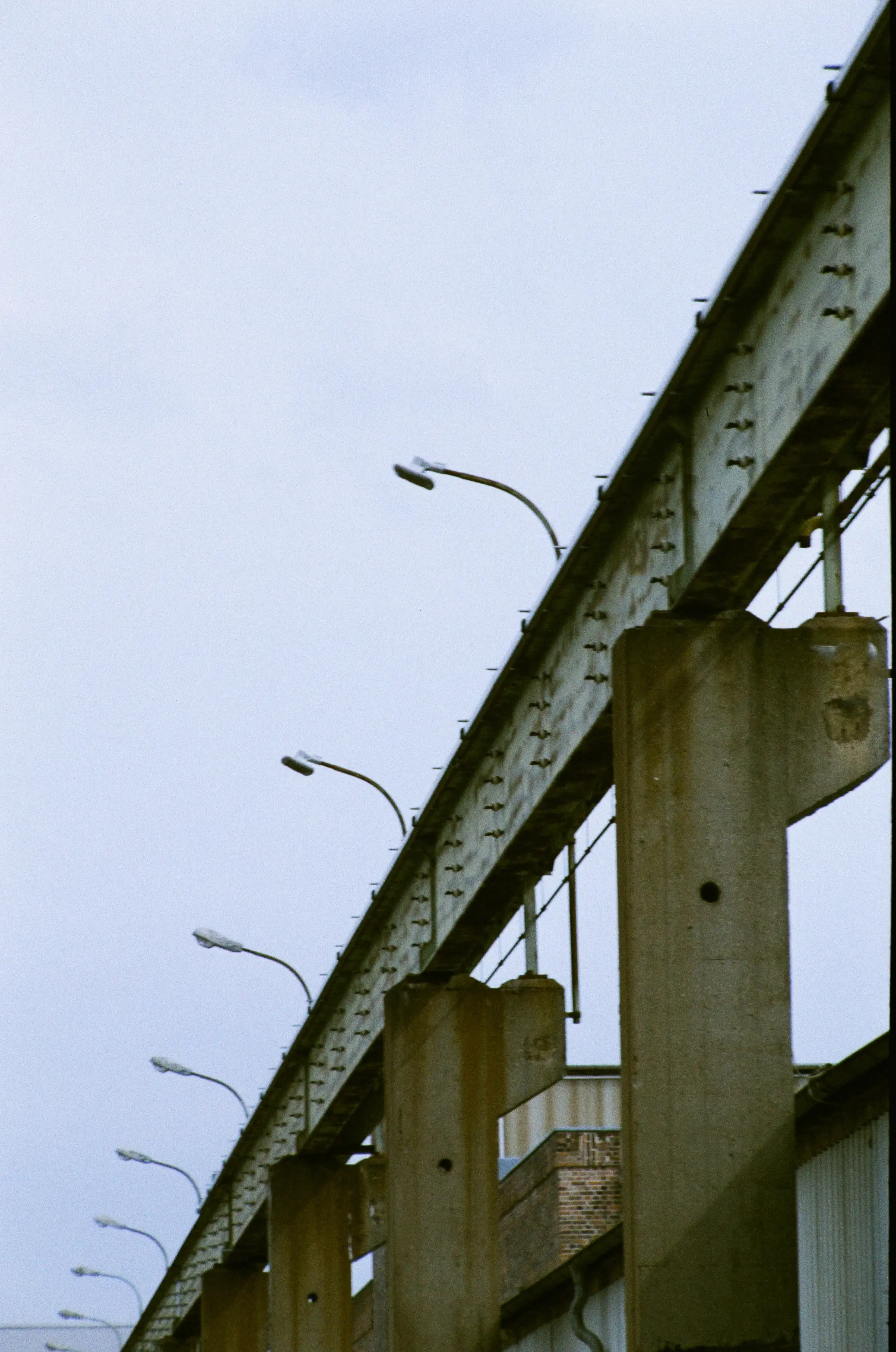
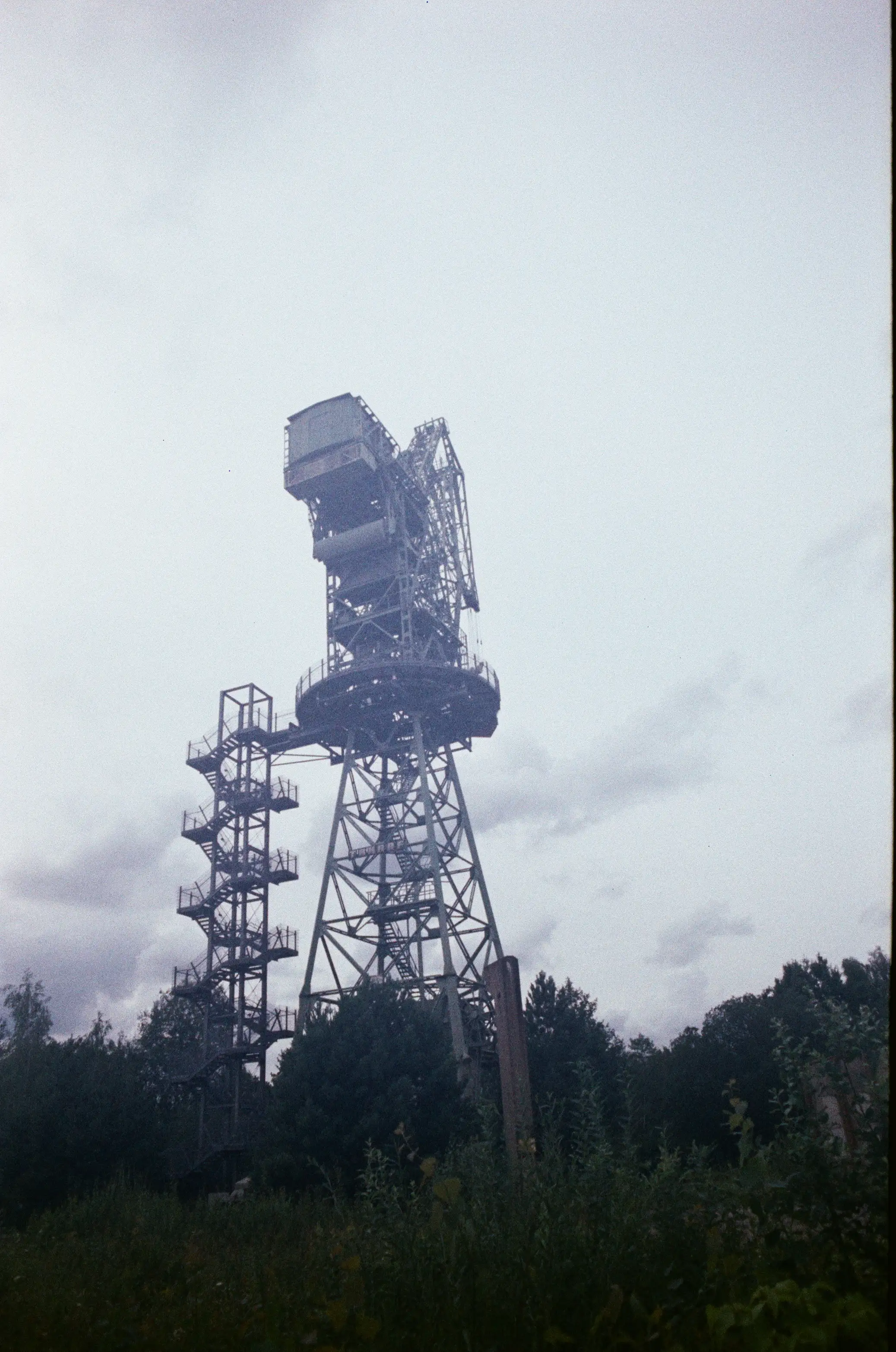
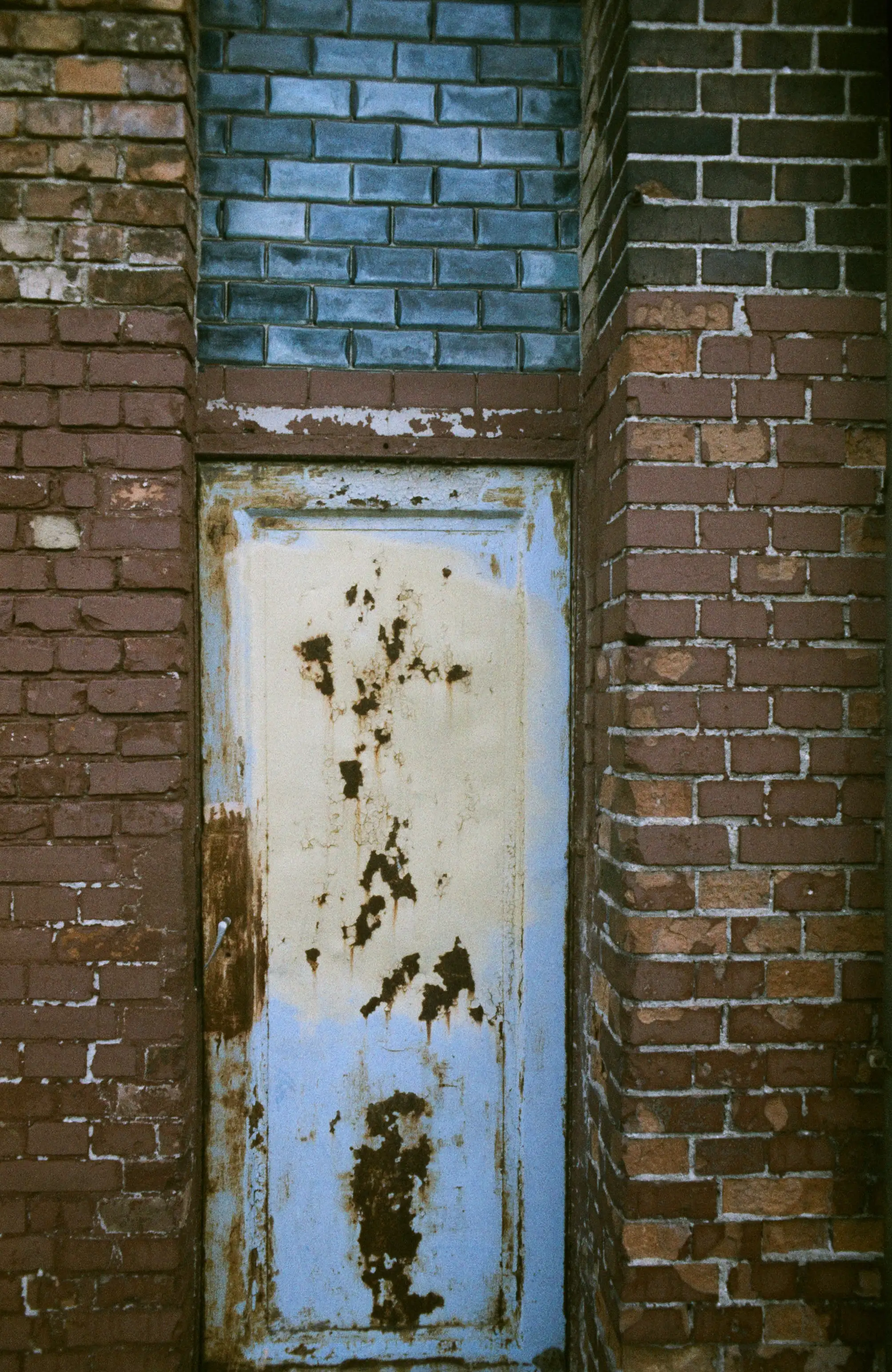
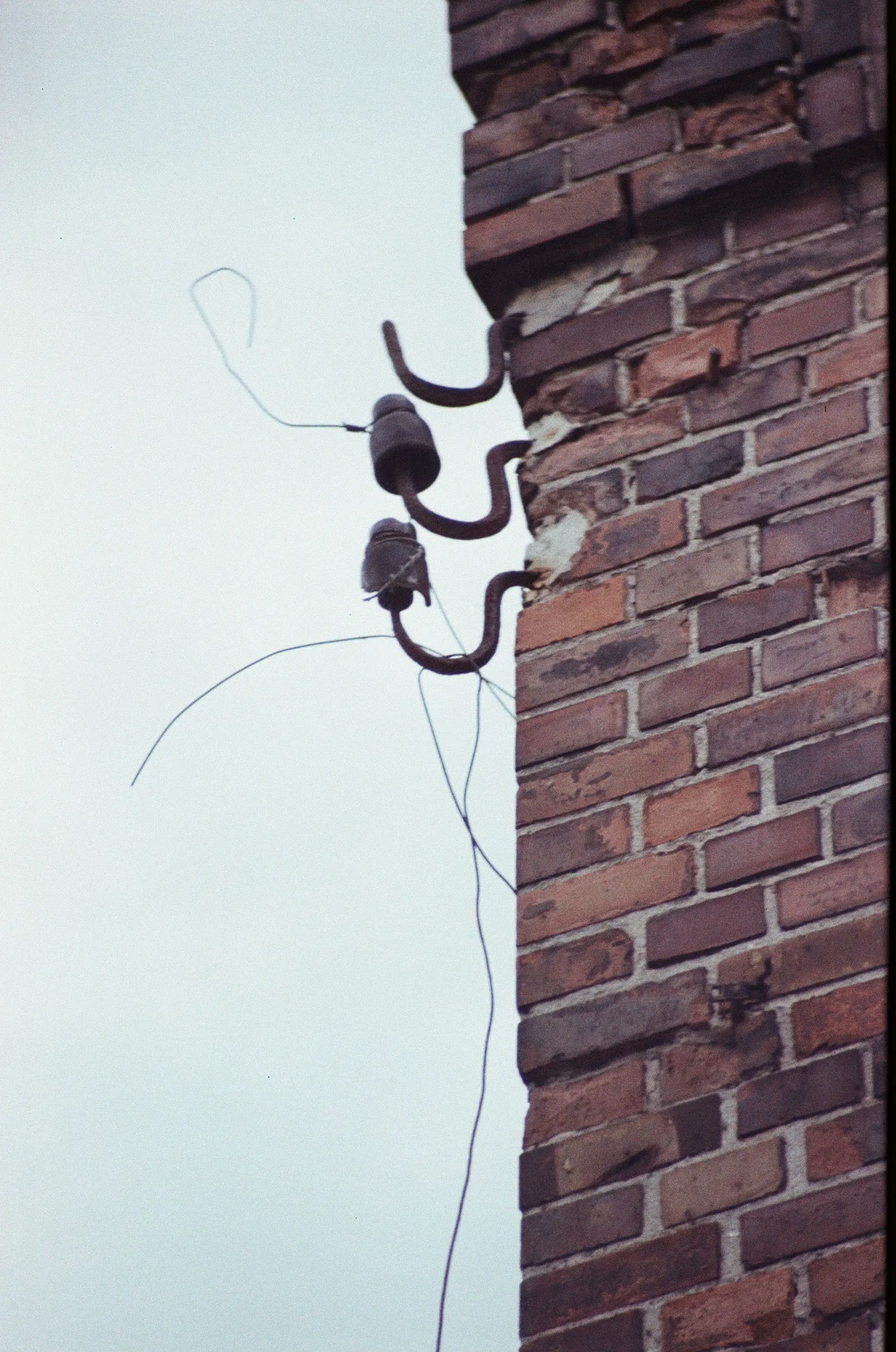
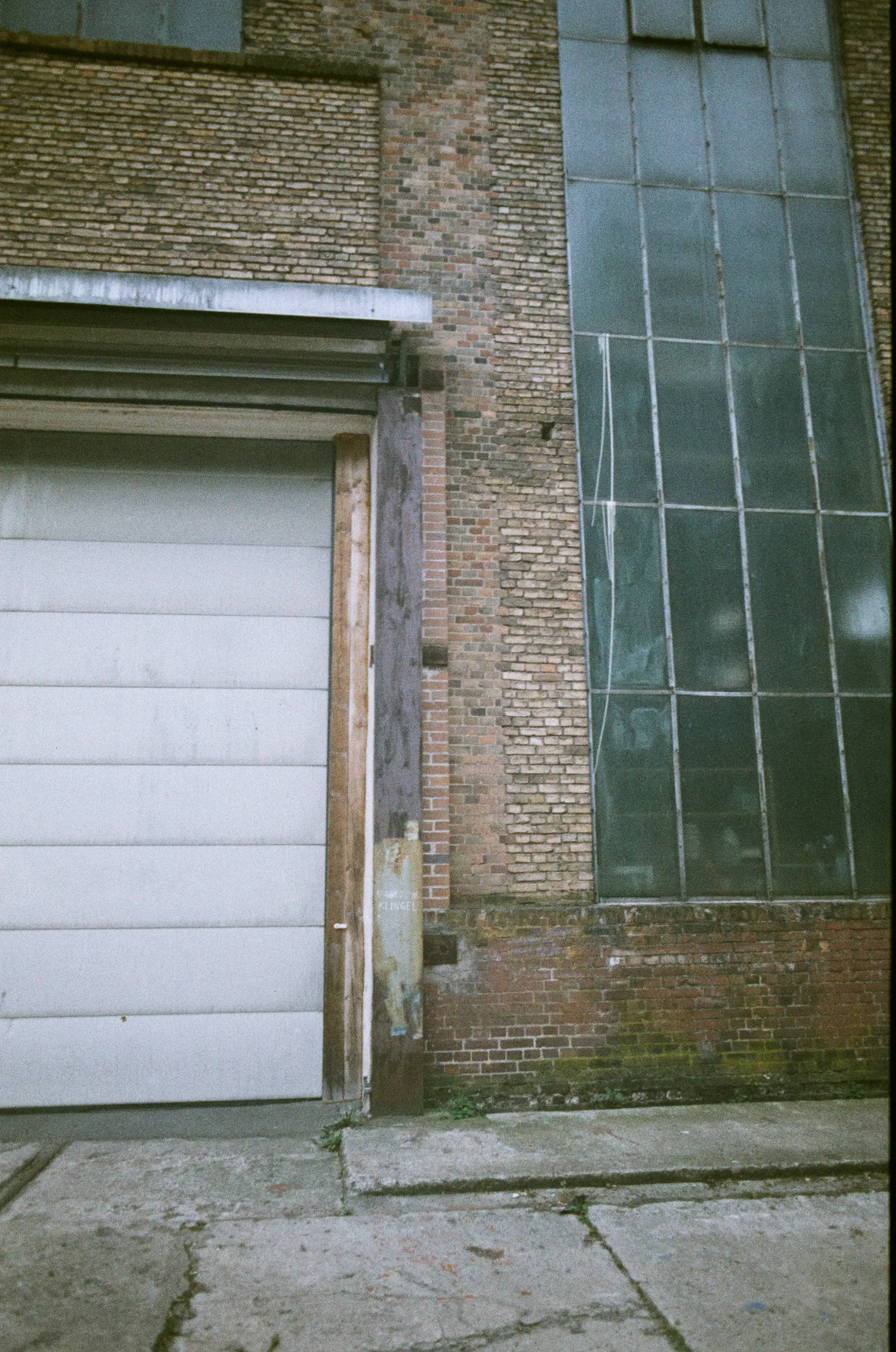
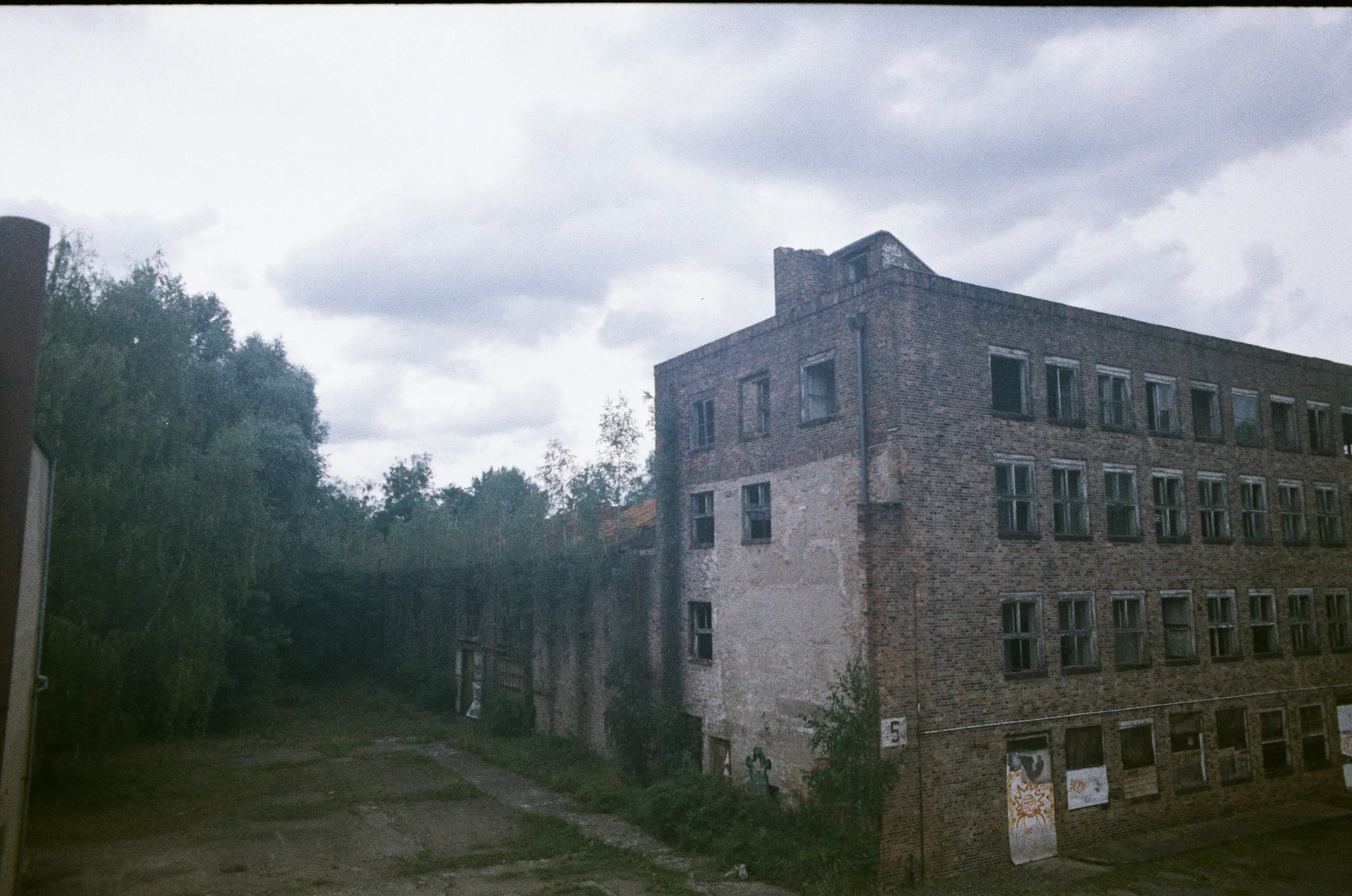
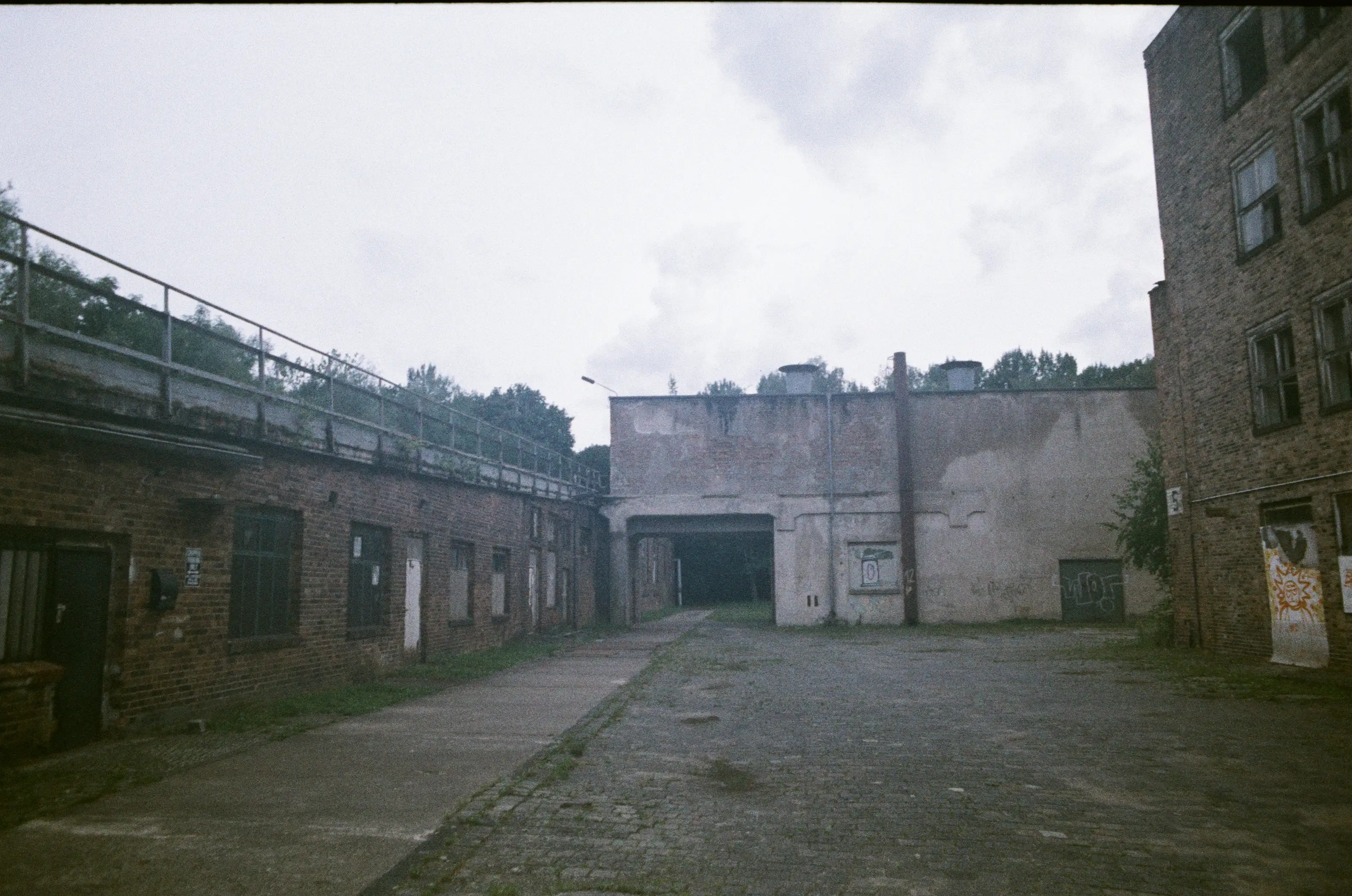
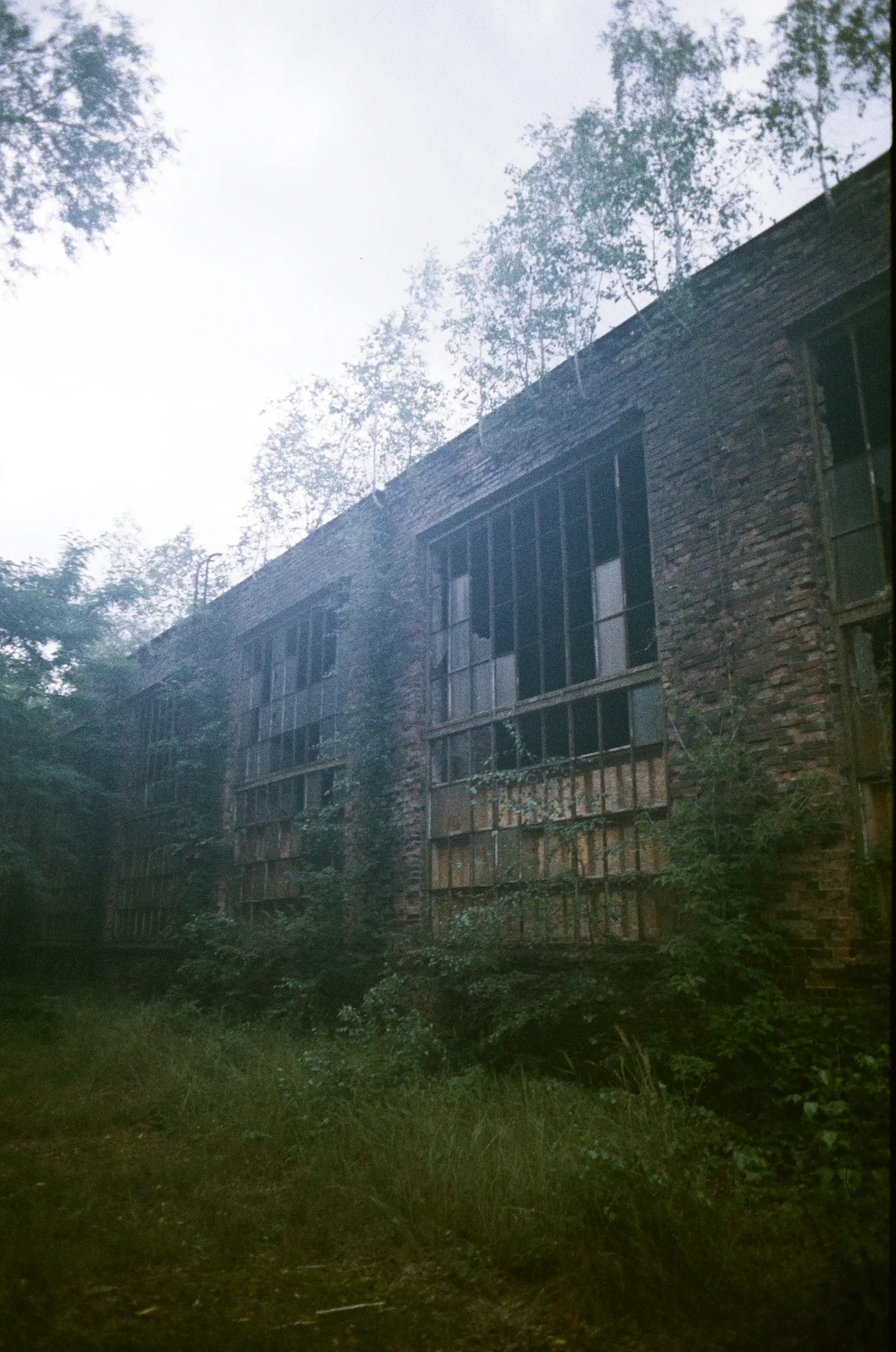
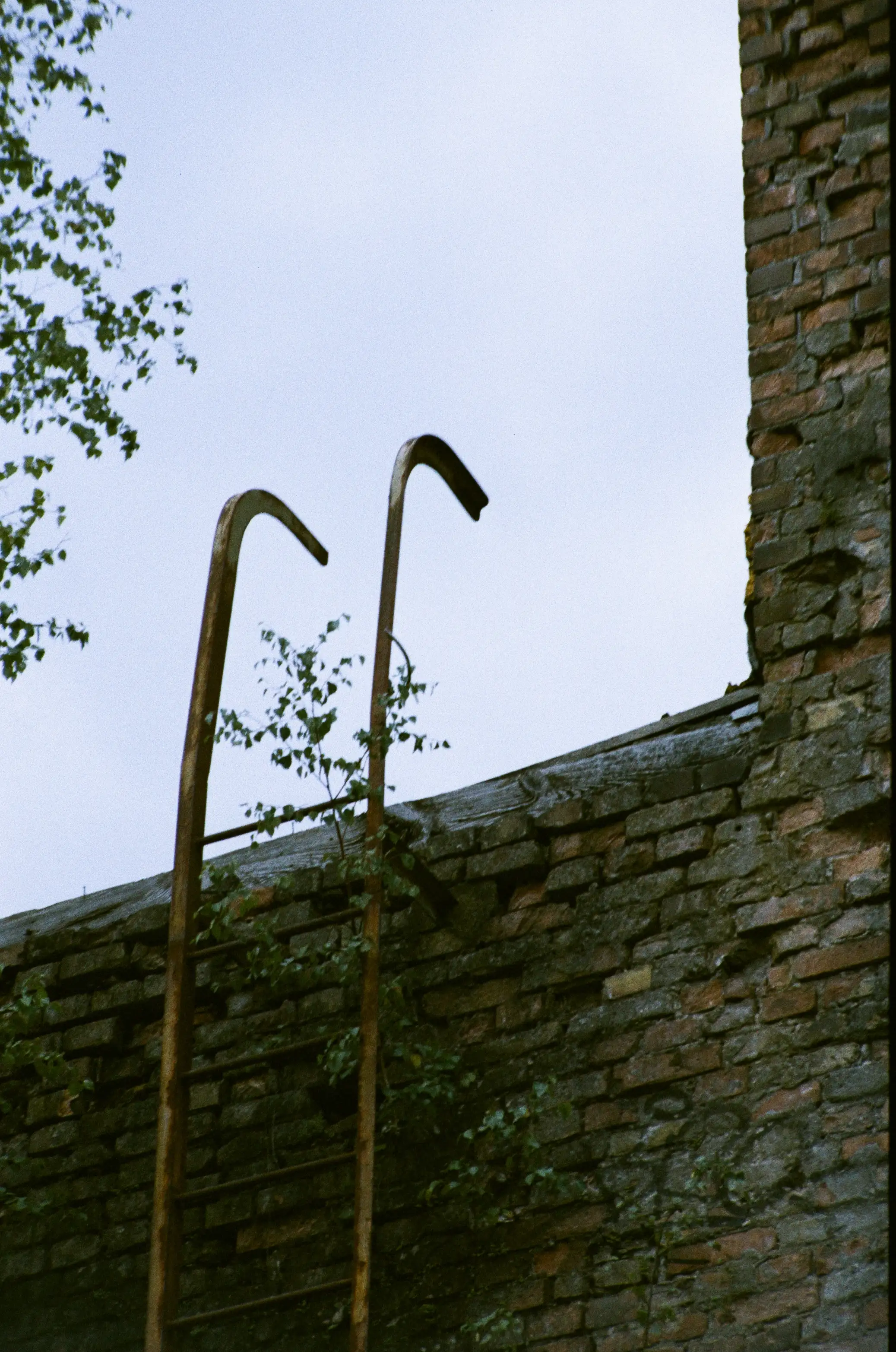
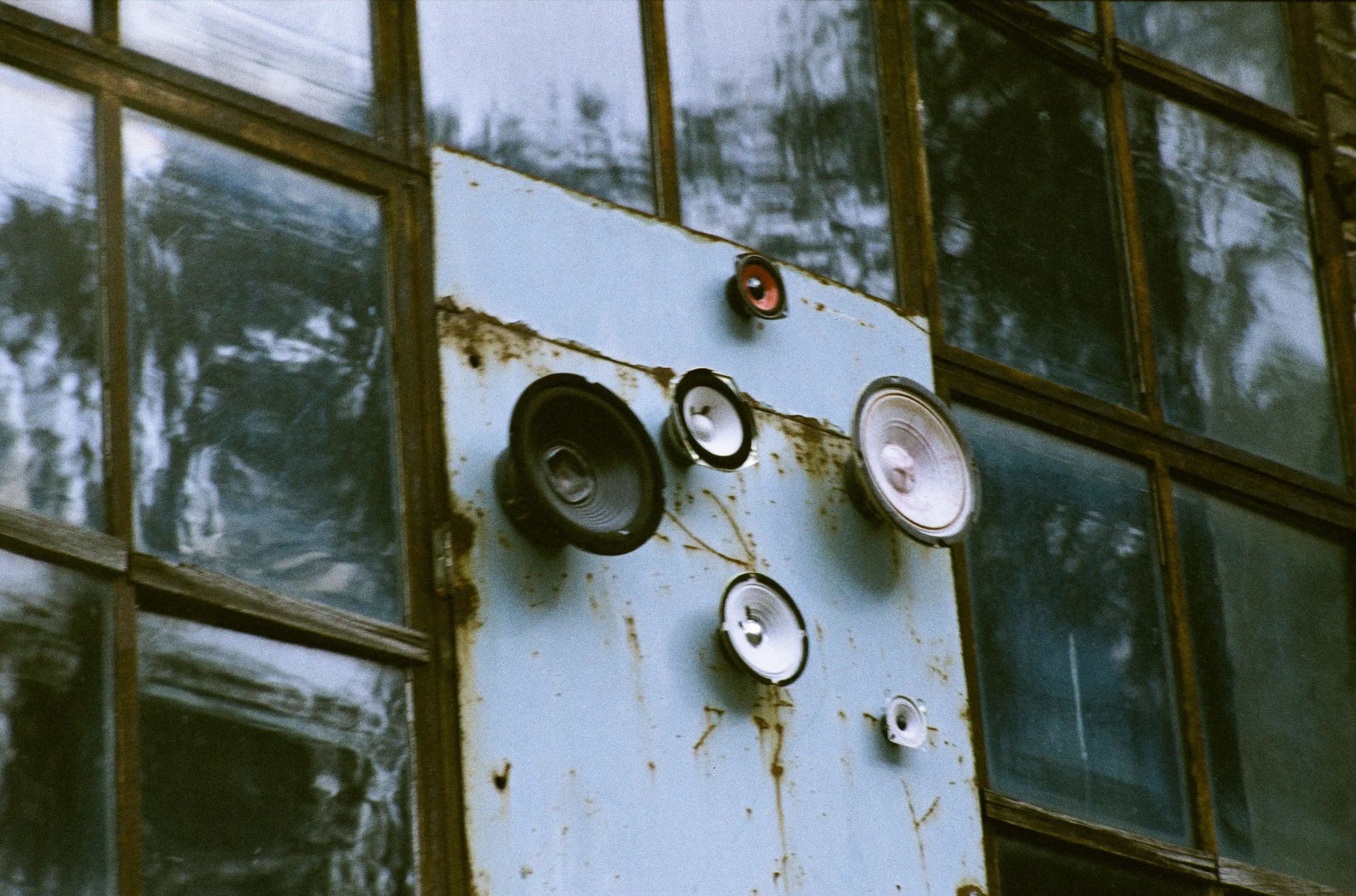
Finally, I checked out the “Technopark” in Eberswalde, which also has some really interesting (and abandoned) industrial buildings. Some of the halls are now used by small businesses or as storage, but others are empty, with weeds growing through the cracks in the pavement. There’s a strange mix of decay and new beginnings - one building might have a startup’s sign on the door, while the next is covered in ivy and graffiti. Next time, I’ll have to explore even more. It seems there’s a lot to discover, and the city has a unique vibe - somewhere between decay and new life.7
-
I have to check some old pictures. Maybe i can pinpoint the memories. ↩︎
-
There seems to be an ominous investor who bought the area in 2020. So it is possible that the buildings will be demolished too which would be a lost. The power plant was the first of its kind with an architectonic concept in mind and was a prototype for the Kraftwerk Klingenberg in Berlin. See https://www.moz.de/lokales/eberswalde/industriegeschichte-neue-eigentuemer-des-alten-kraftwerks-am-finowkanal-bleiben-geheim-55411459.html and https://de.wikipedia.org/wiki/Kraftwerk_Heegerm%C3%BChle ↩︎
-
See https://wasserturm-finow.de/#pano=2&page=2550 with more information and interesting pictures. ↩︎
-
As above and the clickable text about Finow. ↩︎
-
As above inside the cellar and the clickable text about the pipeline system. ↩︎
-
The Eberswalder Goldschatz was really new to me. It has some fascinating history: https://brandenburg.museum-digital.de/collection/12?navlang=de. No wonder that it was used for novels like the weird old adventure novel from 1938 based on the treasure. Quite an odd sight. The other new tidbit for me was the Kupferhaus and that Walter Gropius was involved there: https://de.wikipedia.org/wiki/Kupferhaus. The practice was abandoned in 1934 because of the new law that precious metals should not be used for civil things. The last tidbit was the plates for the fallen of the First World War. The water tower bore Hindenburg’s name for a while. In 1938, a “cour d’honneur” was built between its pillars for the 162 brassworkers who died in the First World War. See https://wasserturm-finow.de ↩︎
-
There is the Forstbotanischer Garten Eberswalde (https://www.hnee.de/de/Hochschule/Einrichtungen/Forstbotanischer-Garten/Forstbotanischer-Garten-Eberswalde-E2168.htm) i want to check out. It has the concept that tree species with their sometimes very different requirements in terms of soil quality, water and nutrient supply are planted exclusively in locations that are suitable for them. Typical for the park are therefore “tree pairs” or “guest trees”, on which the different requirements can be studied comparatively. I also want to check out the Brandenburger Viertel. It consisted mainly of six-storey GDR Plattenbauten which had only a single rainwater retention basin with severe limits due to increasing heavy rainfall events. There is the concept now that the neighbourhood should become a “sponge town” through unsealing of surfaces, more green spaces and water playgrounds. Parking lots have been removed or raised curbs have been deepened at the edges of streets so that water can seep into them. See https://klimabuendnis-stadtentwicklung.de/wp-content/uploads/2023/03/4_Silke-Leuschner_Schwammstadt.pdf ↩︎